
// 2007 - 2009
Africanis
Location
Rural areas in South Africa
Subject
Africanis dogs
Year
2007 – 2009
Format
Hasselblad Medium format film
Short Description
Naudé's portraits of the Africanis, one of the few remaining natural dog breeds in the world, found across the rural Karoo and Transkei. Descended from dogs in Egyptian murals, these animals embody a paradoxical stillness achieved through an intense, trust-based encounter between photographer and subject.
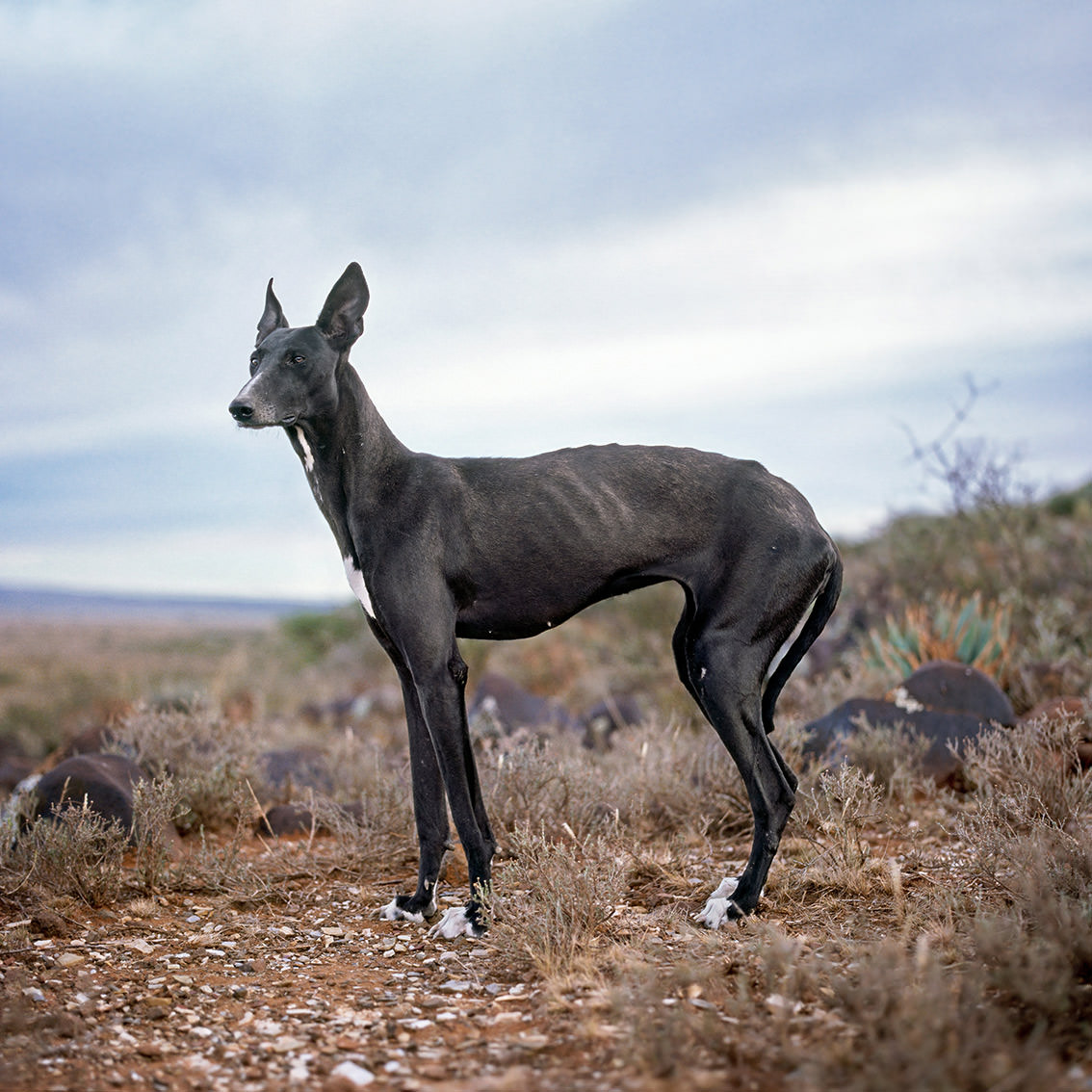
Africanis 1. Strydenburg, Northern Cape, South Africa, 31 March 2008
Image size: 60 x 60 cm
Paper size: 74 x 74 cm
Edition of 8 + 2 AP
SOLD OUT
Image size: 110 x 110 cm
Paper size: 124 x 124 cm
Edition of 8 + 2 AP
SOLD OUT
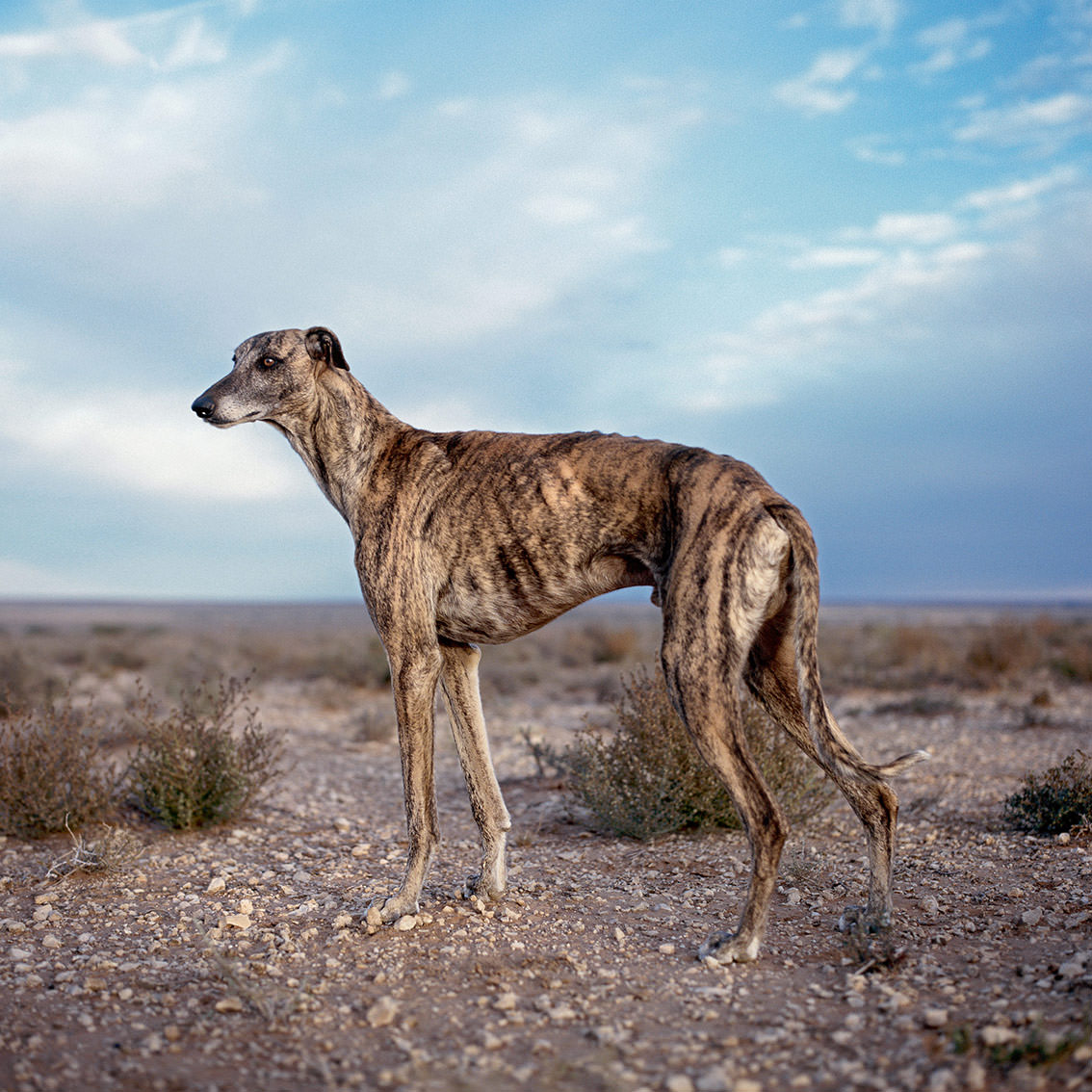
Africanis 2. Strydenburg, Northern Cape, 1 April 2008
Image size: 60 x 60 cm
Paper size: 74 x 74 cm
Edition of 8 + 2 AP
SOLD OUT
Image size: 110 x 110 cm
Paper size: 124 x 124 cm
Edition of 8 + 2 AP
SOLD OUT
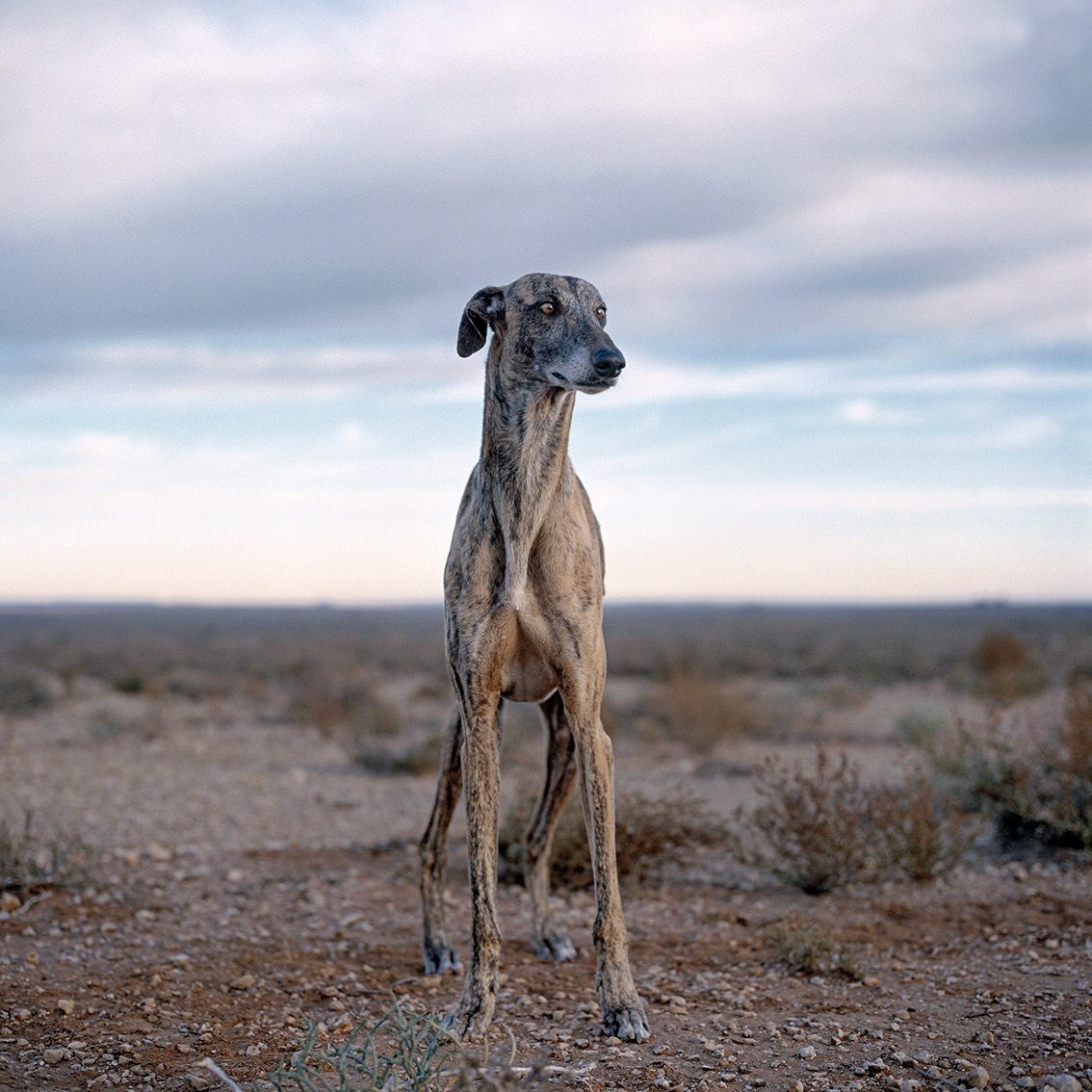
Africanis 3. Strydenburg, Northern Cape, 1 April 2008
Image size: 60 x 60 cm
Paper size: 74 x 74 cm
Edition of 8 + 2 AP
SOLD OUT
Image size: 110 x 110 cm
Paper size: 124 x 124 cm
Edition of 8 + 2 AP
SOLD OUT
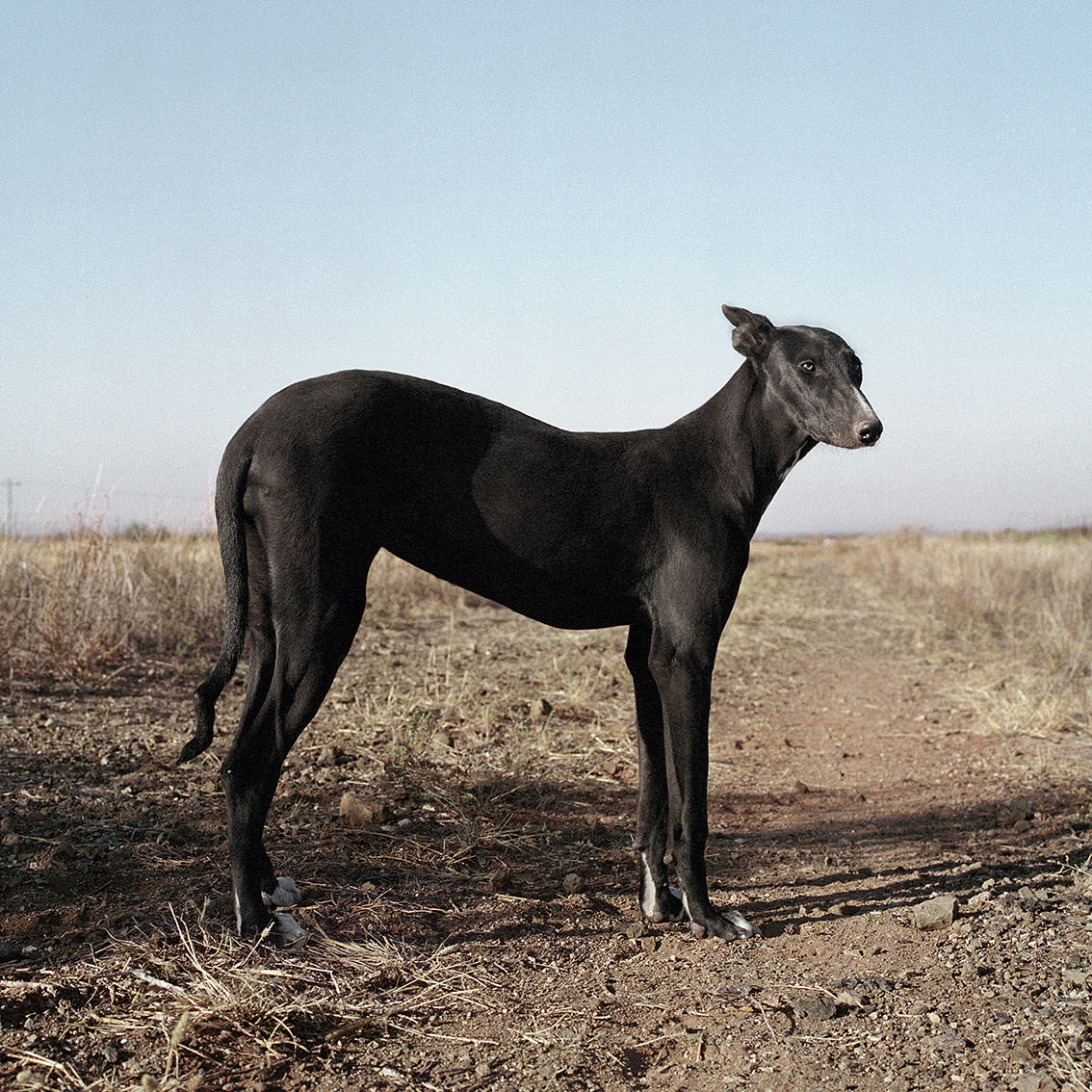
Africanis 4. Britstown, Northern Cape, South Africa, 5 June 2007
Image size: 60 x 60 cm
Paper size: 74 x 74 cm
Edition of 8 + 2 AP
Image size: 110 x 110 cm
Paper size: 124 x 124 cm
Edition of 8 + 2 AP
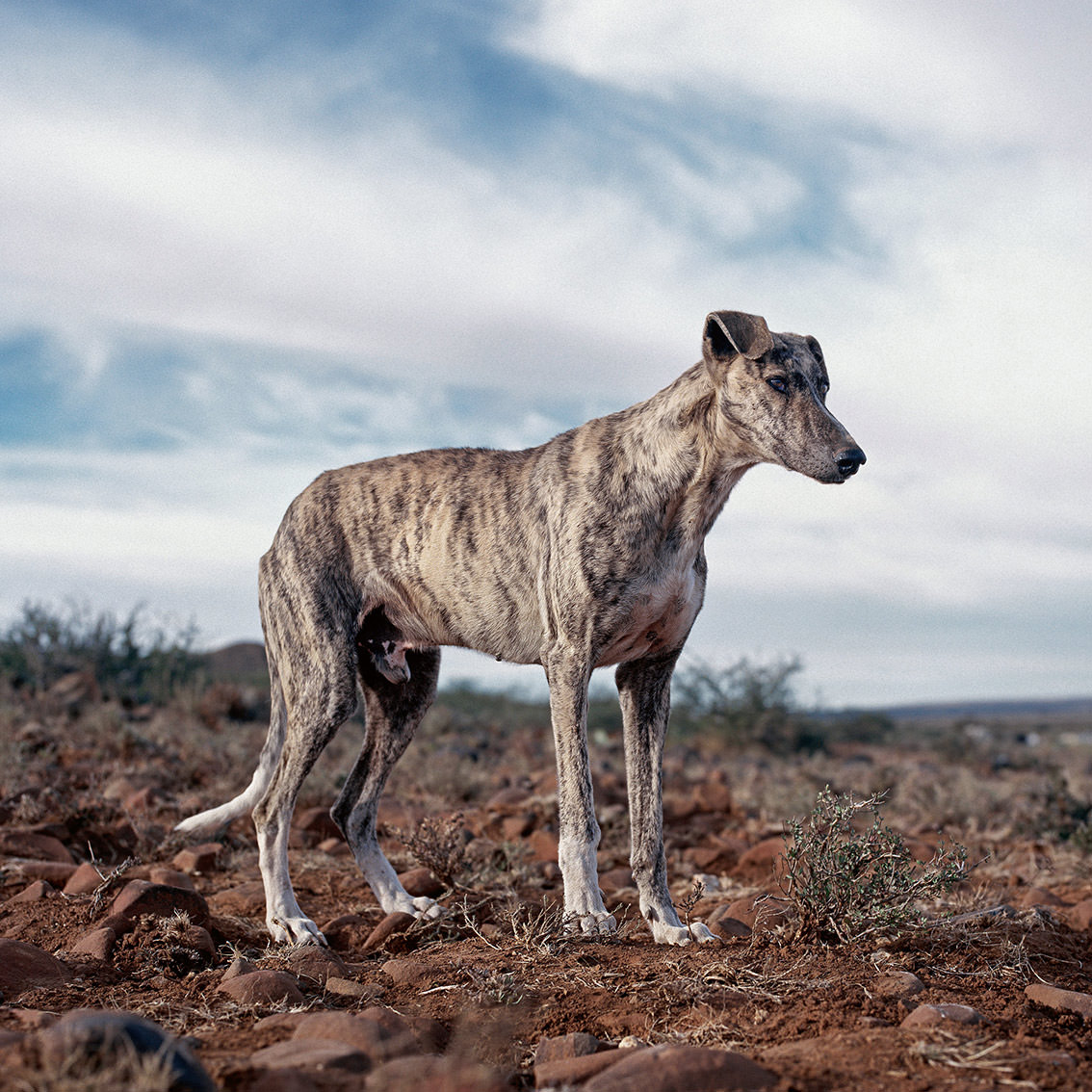
Africanis 6. Strydenburg, Northern Cape, South Africa, 2 April 2008
Image size: 60 x 60 cm
Paper size: 74 x 74 cm
Edition of 8 + 2 AP
Image size: 110 x 110 cm
Paper size: 124 x 124 cm
Edition of 8 + 2 AP
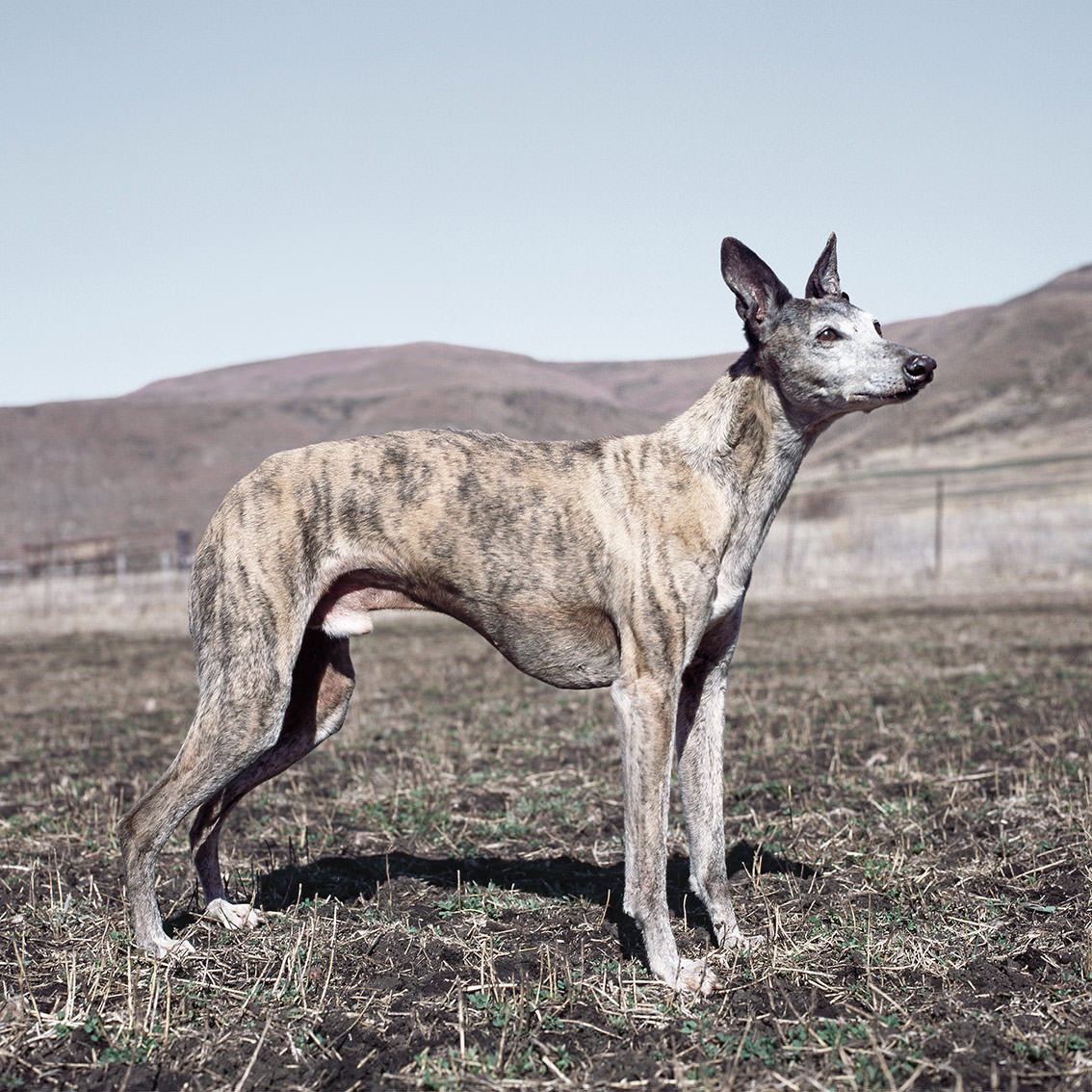
Africanis 7. Barkly East, Eastern Cape, South Africa, 30 June 2007
Image size: 60 x 60 cm
Paper size: 74 x 74 cm
Edition of 8 + 2 AP
Image size: 110 x 110 cm
Paper size: 124 x 124 cm
Edition of 8 + 2 AP
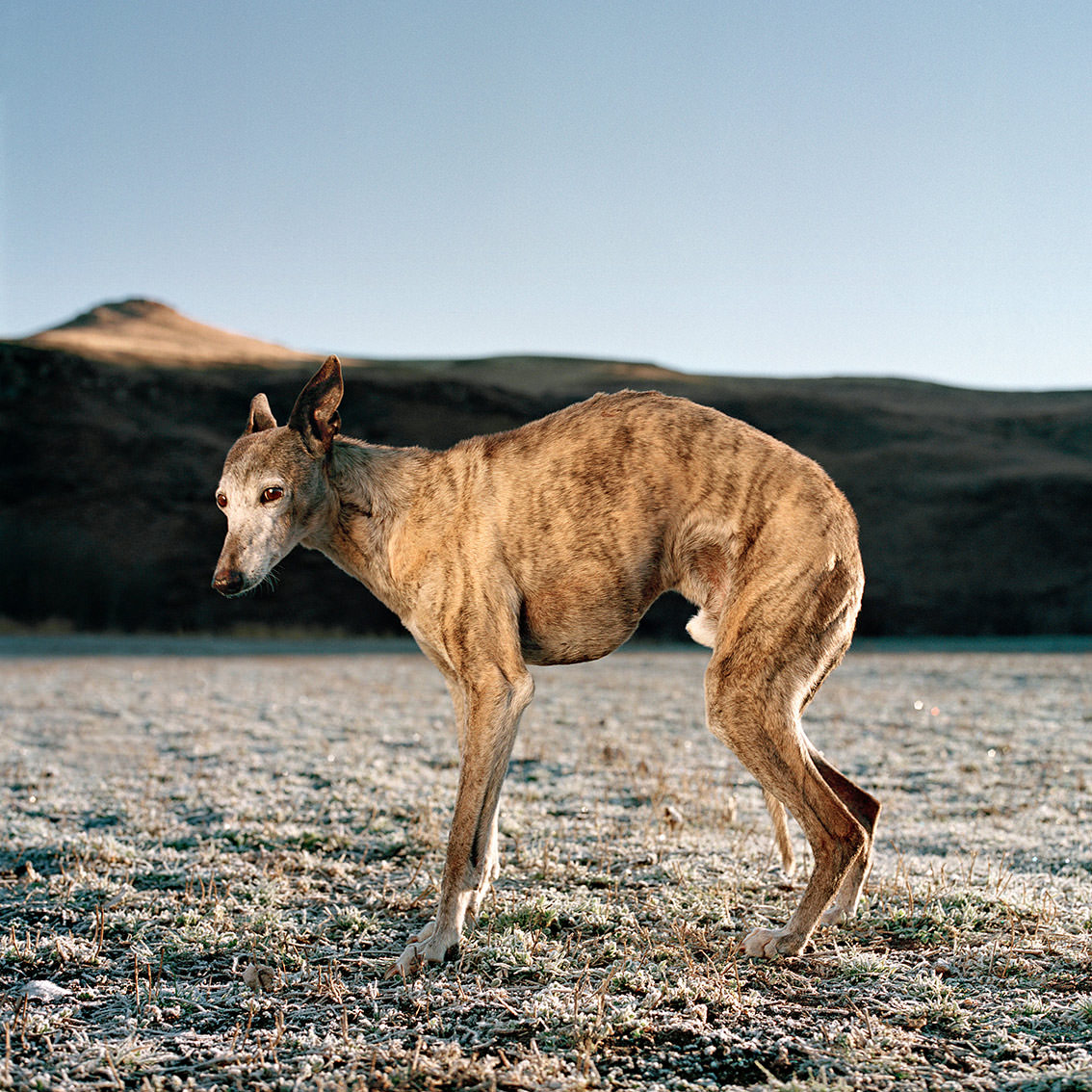
Africanis 8. Barkly East, Eastern Cape, South Africa, 5 July 2008
Image size: 60 x 60 cm
Paper size: 74 x 74 cm
Edition of 8 + 2 AP
Image size: 110 x 110 cm
Paper size: 124 x 124 cm
Edition of 8 + 2 AP
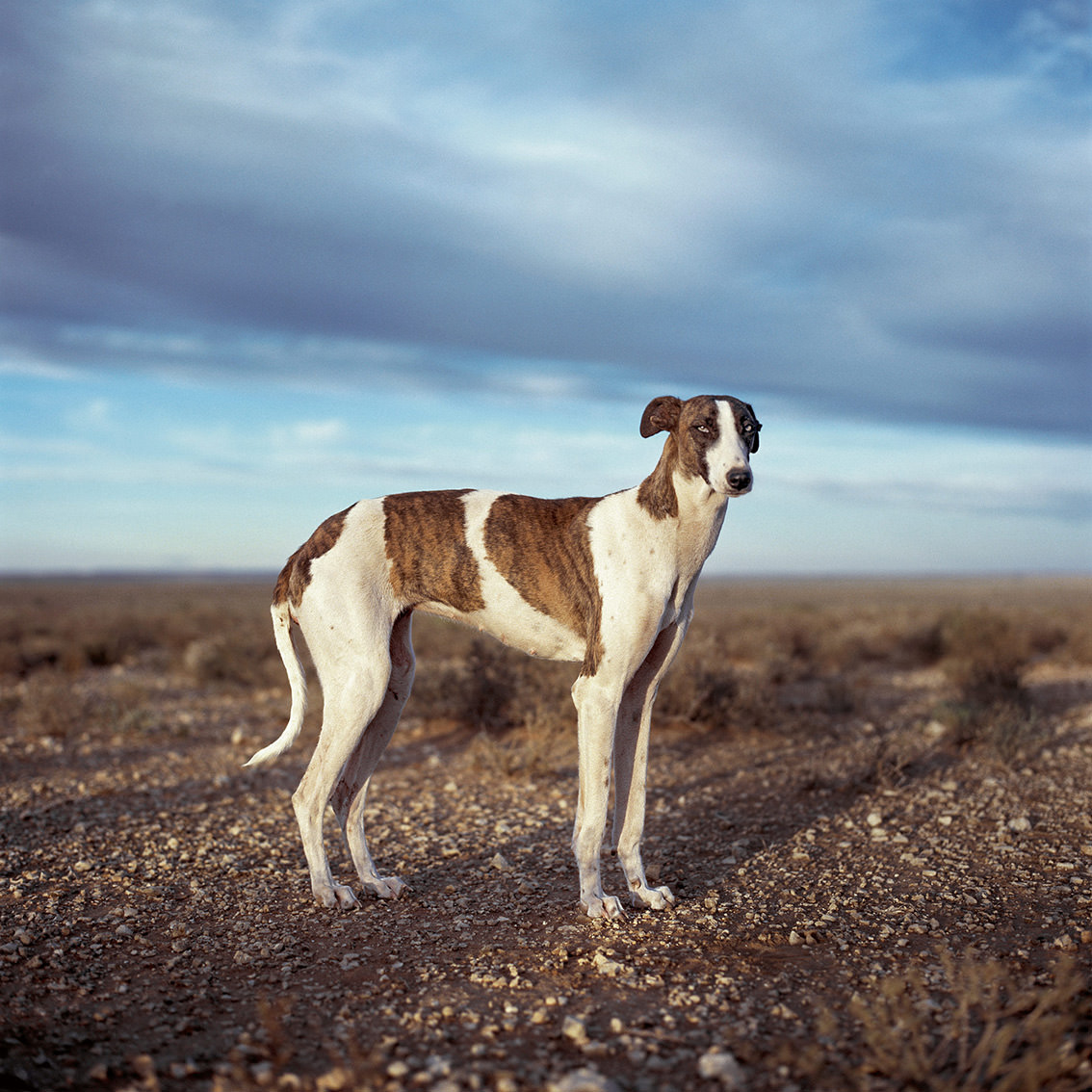
Africanis 10. Strydenburg, Northern Cape, South Africa, 1 April 2008
Image size: 60 x 60 cm
Paper size: 74 x 74 cm
Edition of 8 + 2 AP
Image size: 110 x 110 cm
Paper size: 124 x 124 cm
Edition of 8 + 2 AP
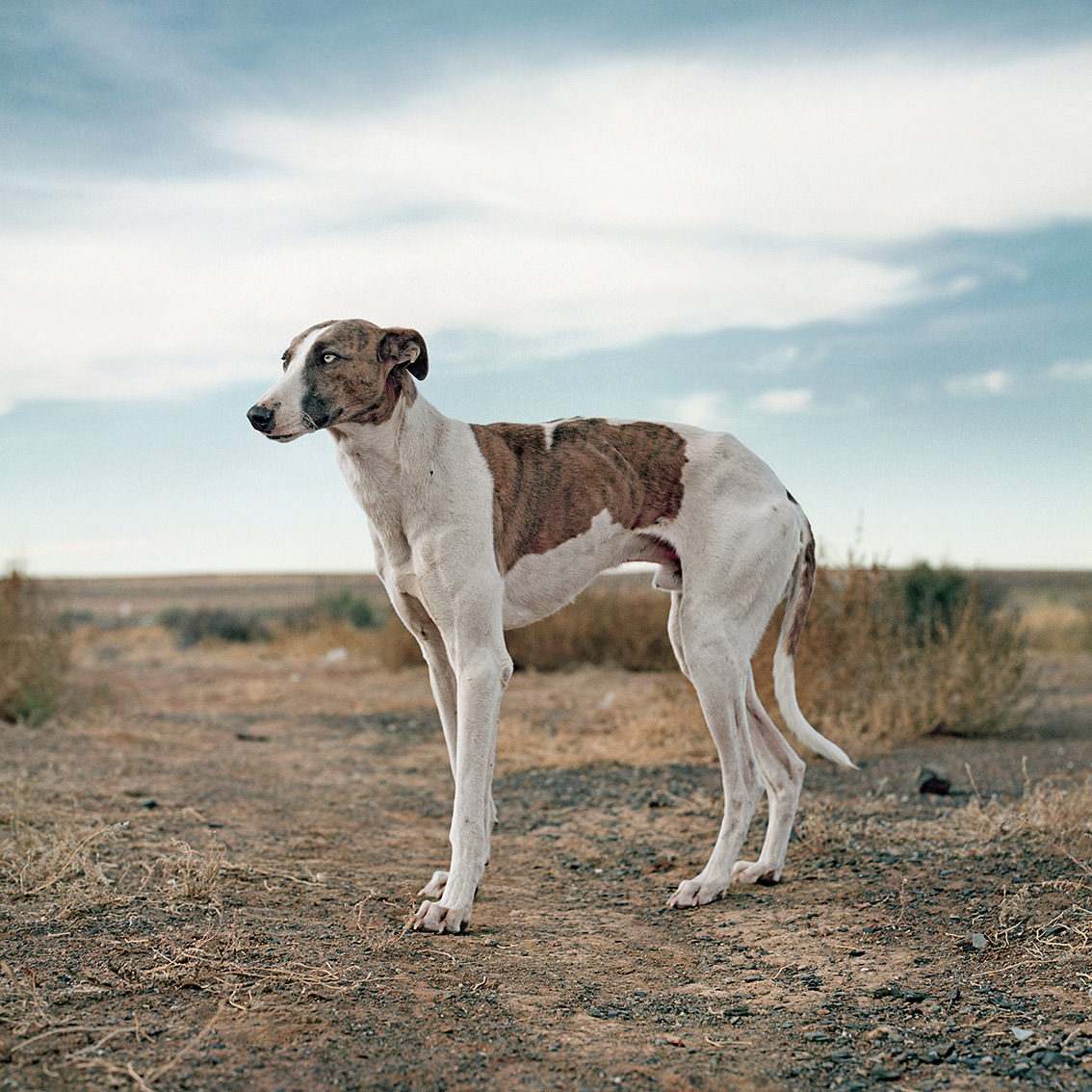
Africanis 9. Strydenburg, Northern Cape, South Africa, 31 March 2008
Image size: 60 x 60 cm
Paper size: 74 x 74 cm
Edition of 8 + 2 AP
SOLD OUT
Image size: 110 x 110 cm
Paper size: 124 x 124 cm
Edition of 8 + 2 AP
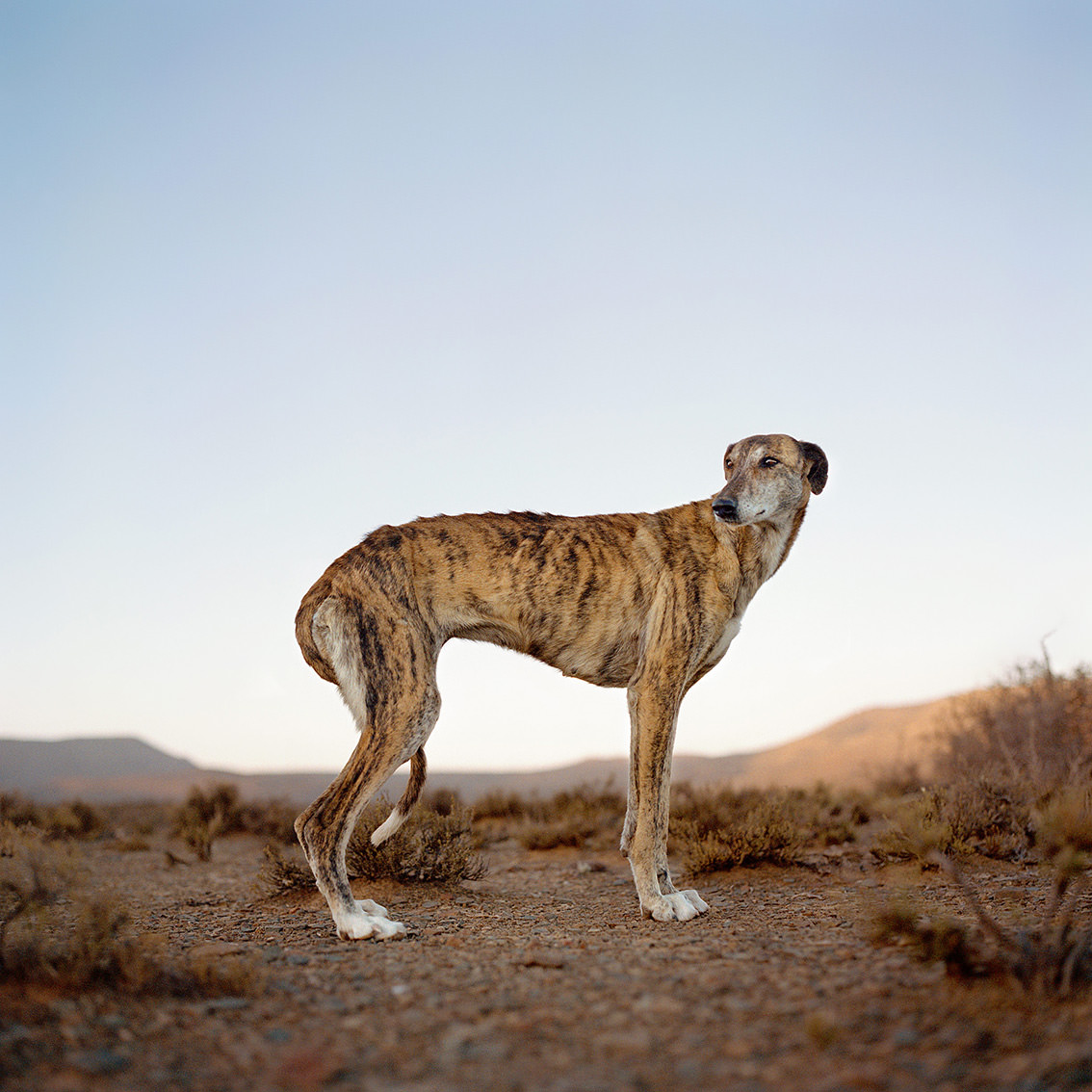
Africanis 11. Murraysburg, Western Cape, South Africa, 4 February 2009
Image size: 60 x 60 cm
Paper size: 74 x 74 cm
Edition of 8 + 2 AP
SOLD OUT
Image size: 110 x 110 cm
Paper size: 124 x 124 cm
Edition of 8 + 2 AP
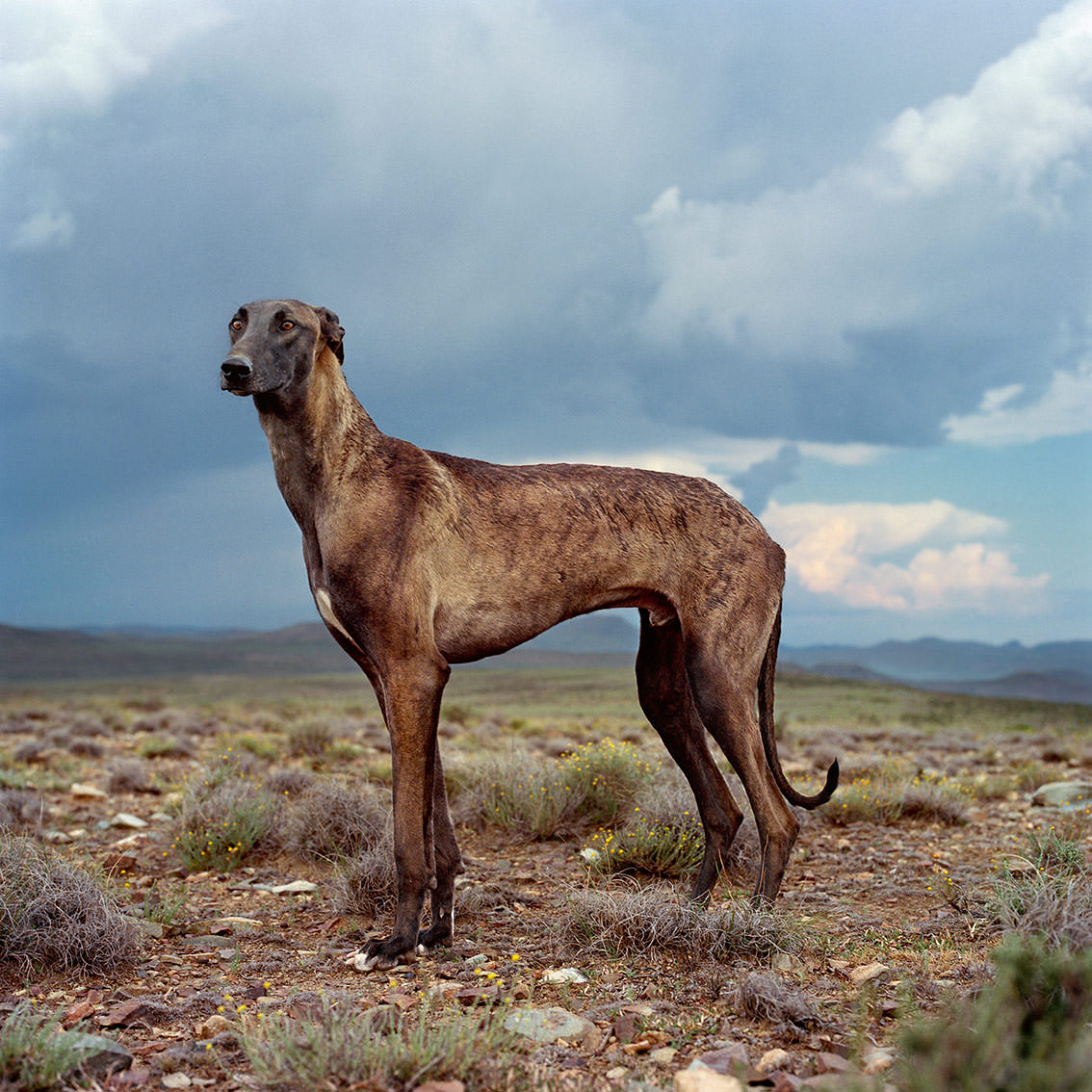
Africanis 12. Richmond, Northern Cape, South Africa, 4 April 2009
Image size: 60 x 60 cm
Paper size: 74 x 74 cm
Edition of 8 + 2 AP
SOLD OUT
Image size: 110 x 110 cm
Paper size: 124 x 124 cm
Edition of 8 + 2 AP
SOLD OUT
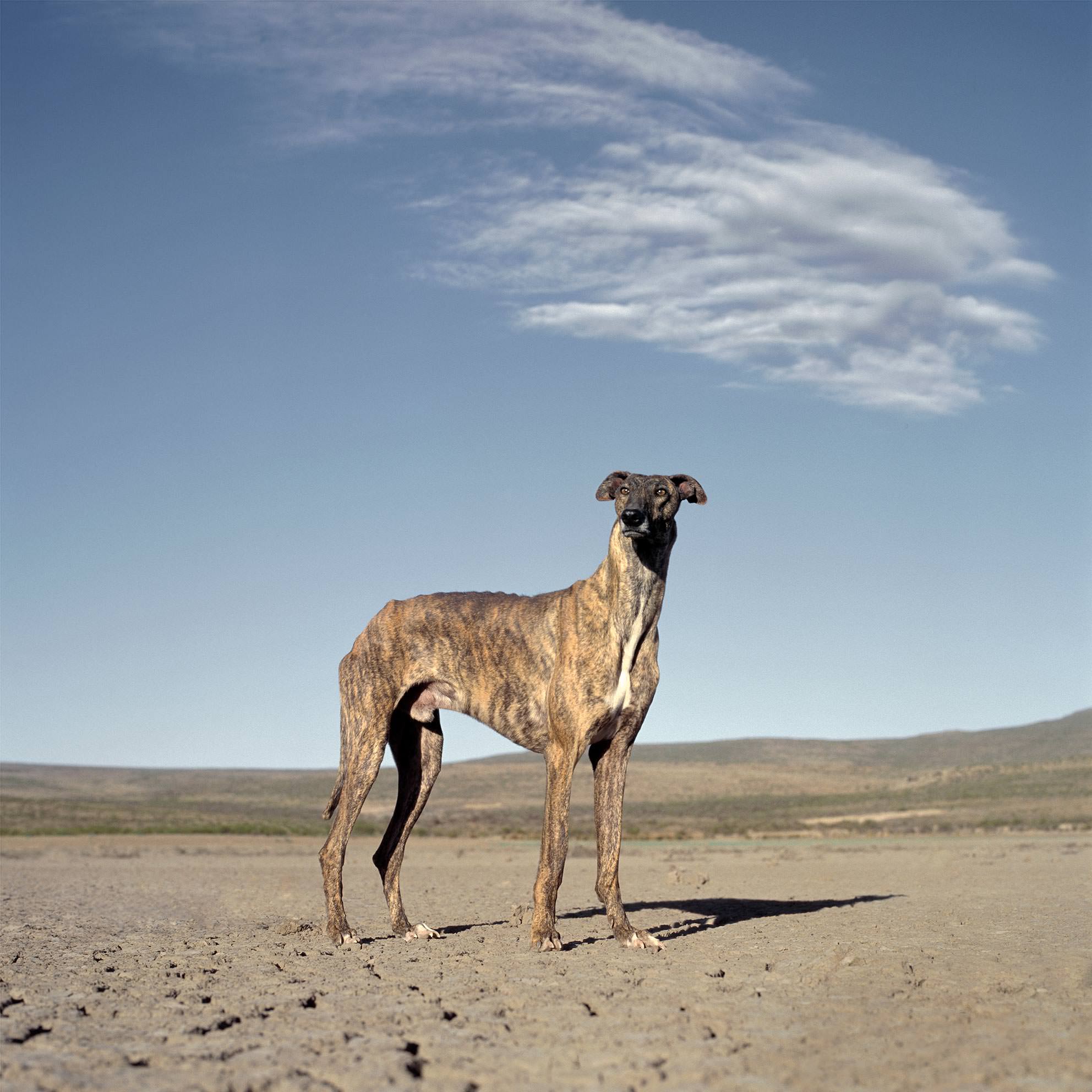
Africanis 13. Richmond, Northern Cape, South Africa, 4 February 2009
Image size: 60 x 60 cm
Paper size: 74 x 74 cm
Edition of 8 + 2 AP
Image size: 110 x 110 cm
Paper size: 124 x 124 cm
Edition of 8 + 2 AP
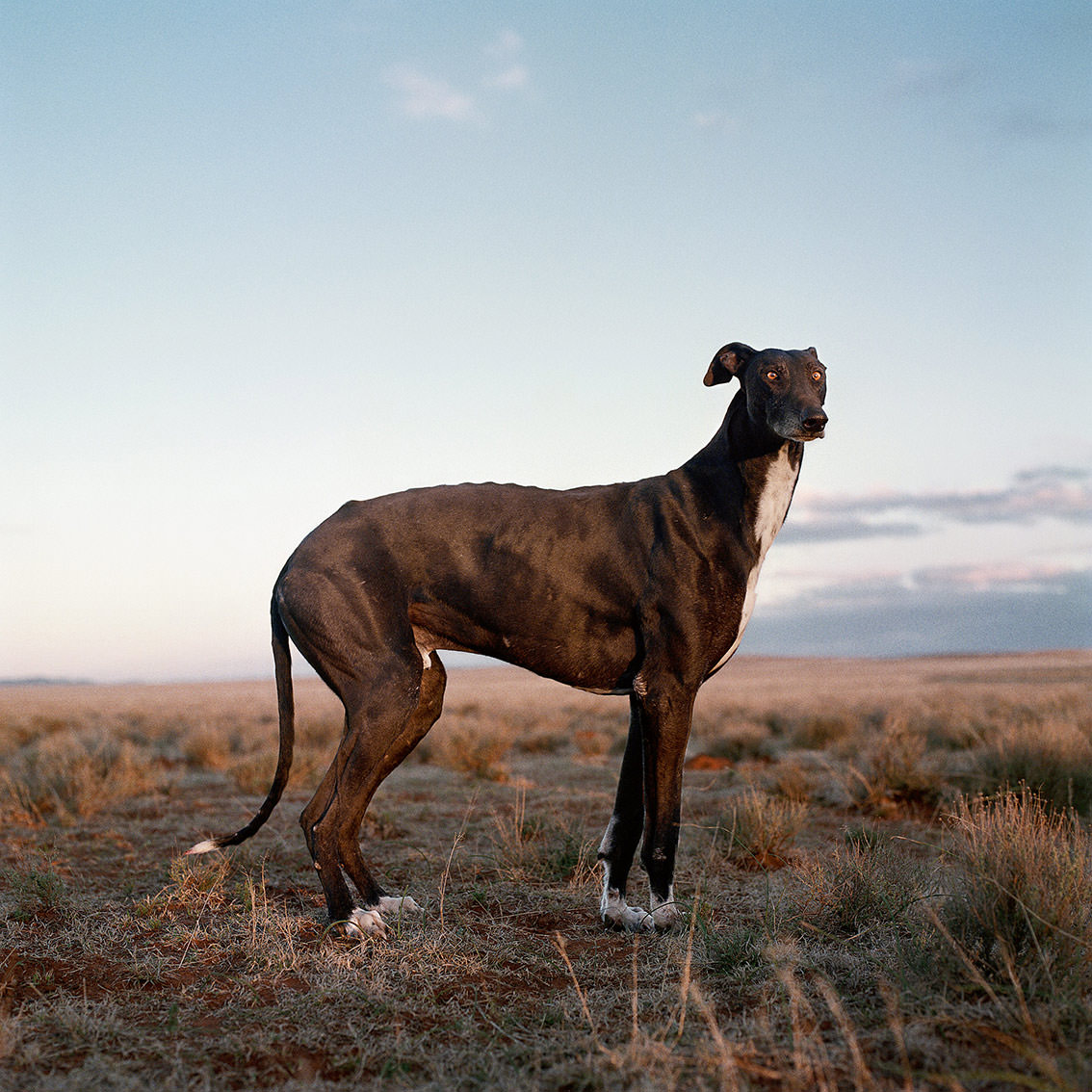
Africanis 14. Philippolis, Free State, South Africa, 12 August 2009
Image size: 60 x 60 cm
Paper size: 74 x 74 cm
Edition of 8 + 2 AP
Image size: 110 x 110 cm
Paper size: 124 x 124 cm
Edition of 8 + 2 AP
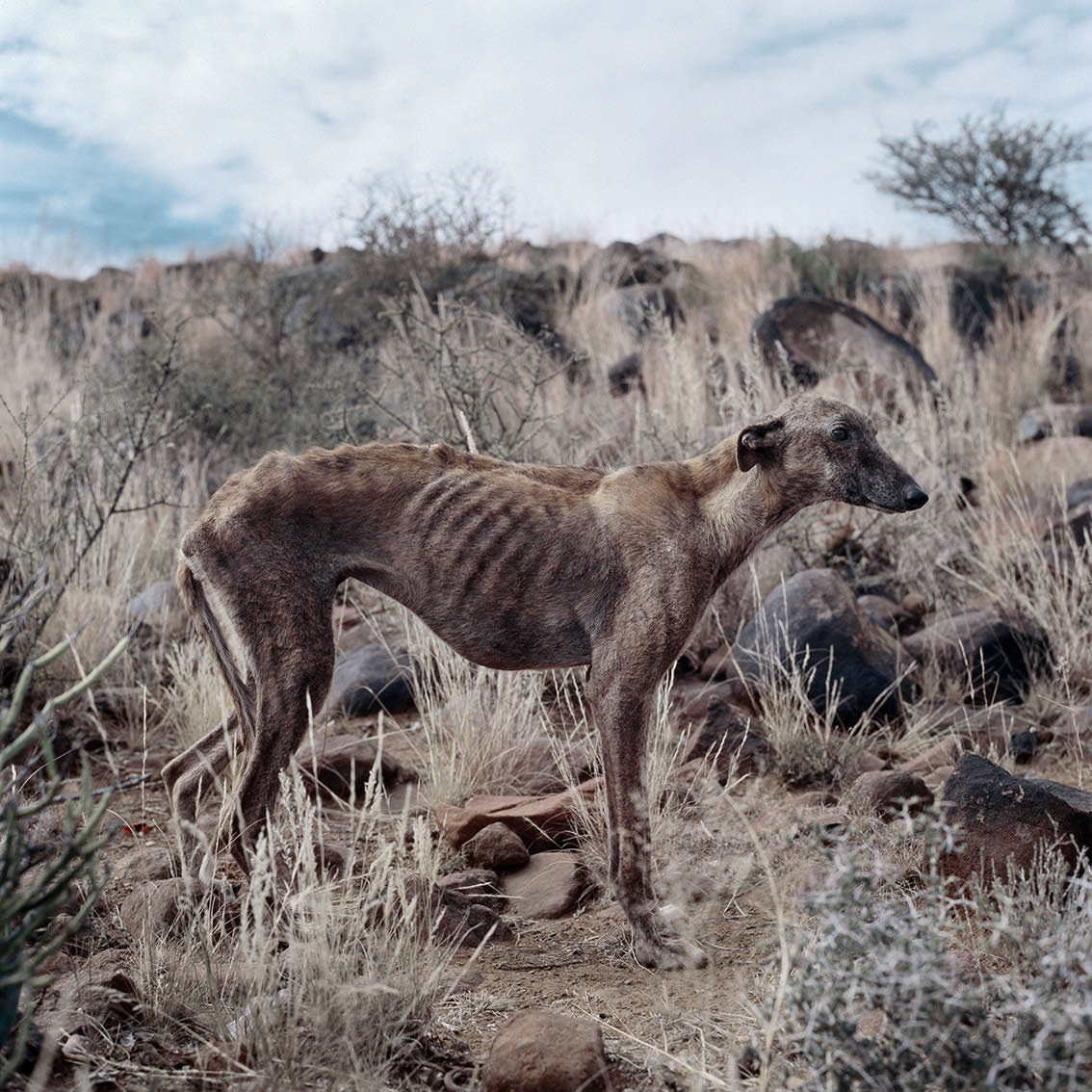
Africanis 15. Strydenburg, Northern Cape, South Africa, 28 March 2008
Image size: 60 x 60 cm
Paper size: 74 x 74 cm
Edition of 8 + 2 AP
Image size: 110 x 110 cm
Paper size: 124 x 124 cm
Edition of 8 + 2 AP
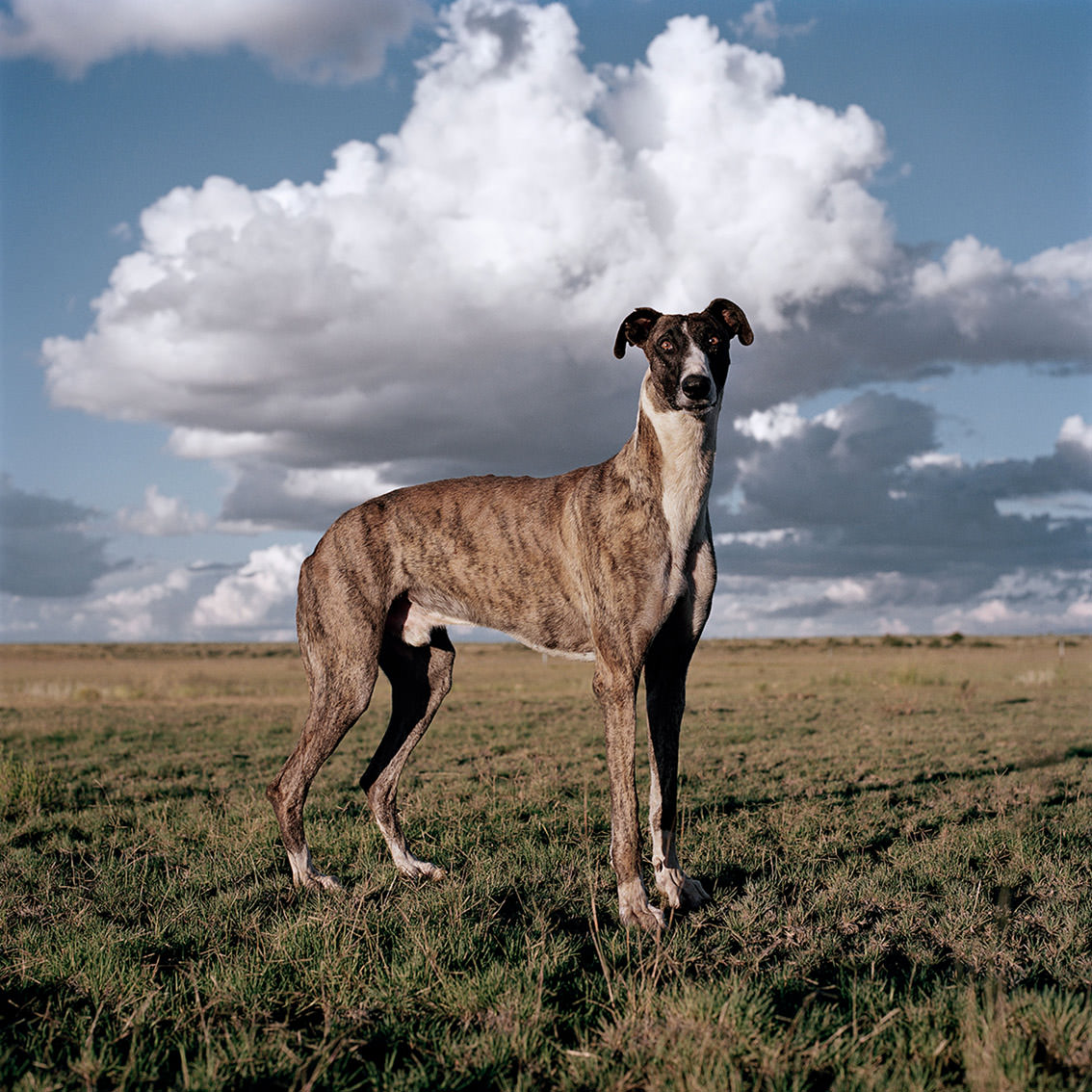
Africanis 17. Danielskuil, Northern Cape, South Africa, 25 February 2010
Image size: 60 x 60 cm
Paper size: 74 x 74 cm
Edition of 8 + 2 AP
SOLD OUT
Image size: 110 x 110 cm
Paper size: 124 x 124 cm
Edition of 8 + 2 AP
SOLD OUT
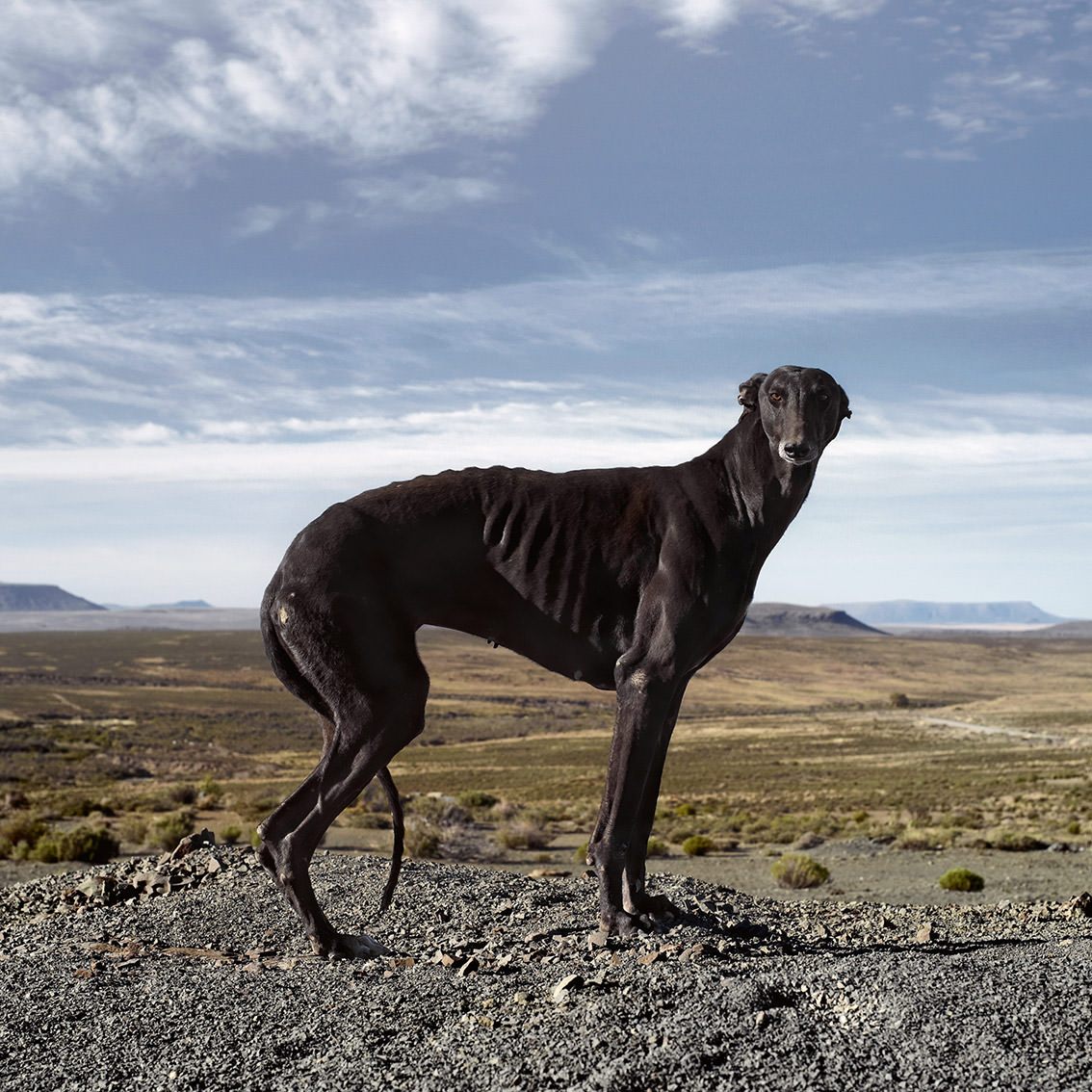
Africanis 18. Murraysburg, Western Cape, South Africa, 10 May 2010
Image size: 60 x 60 cm
Paper size: 74 x 74 cm
Edition of 8 + 2 AP
SOLD OUT
Image size: 110 x 110 cm
Paper size: 124 x 124 cm
Edition of 8 + 2 AP
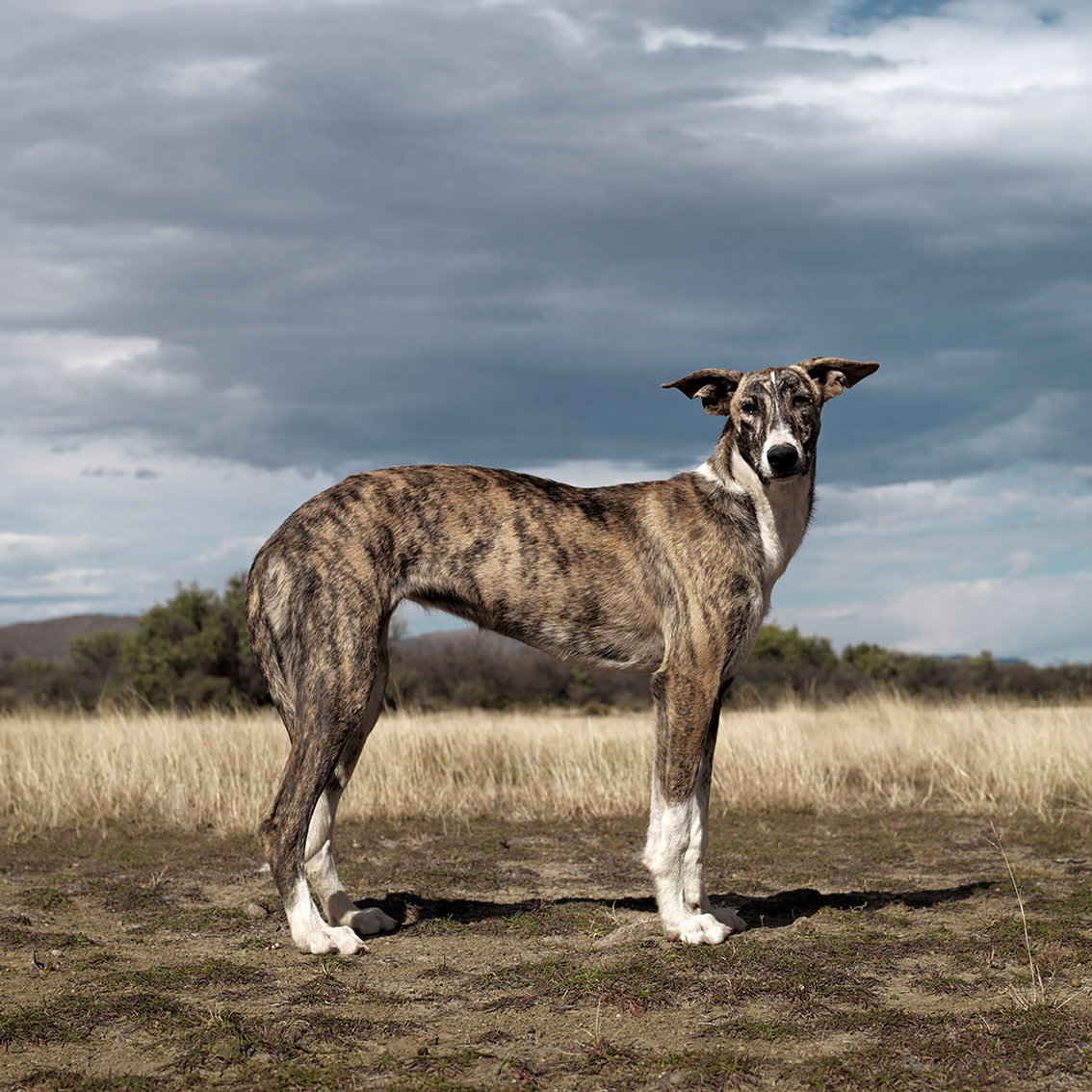
Africanis 19. Graaff-Reinet, Eastern Cape, South Africa, 15 May 2010
Image size: 60 x 60 cm
Paper size: 74 x 74 cm
Edition of 8 + 2 AP
SOLD OUT
Image size: 110 x 110 cm
Paper size: 124 x 124 cm
Edition of 8 + 2 AP
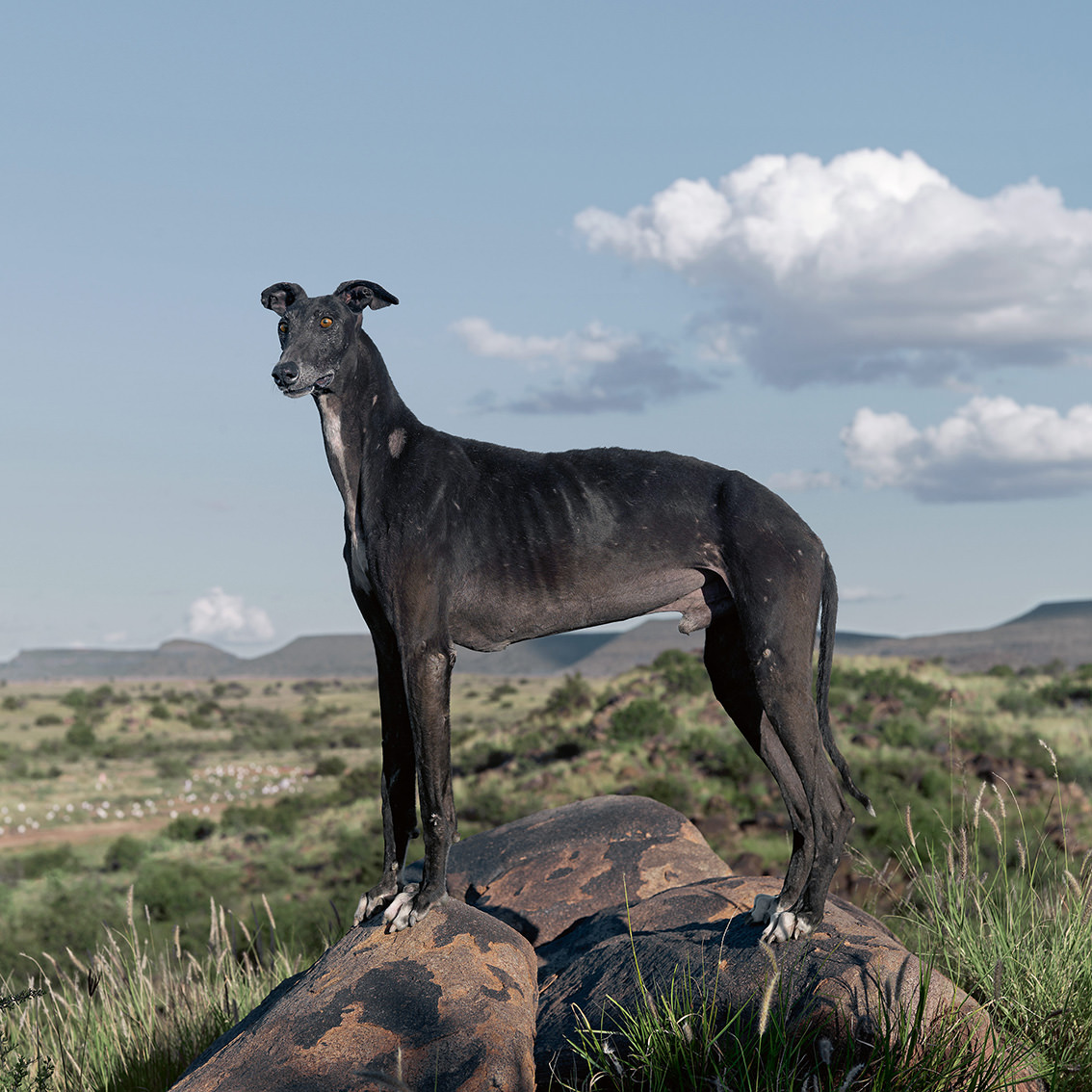
Africanis 20. Petrusville, Northern Cape, South Africa, 19 April 2011
Image size: 60 x 60 cm
Paper size: 74 x 74 cm
Edition of 8 + 2 AP
SOLD OUT
Image size: 110 x 110 cm
Paper size: 124 x 124 cm
Edition of 8 + 2 AP
SOLD OUT
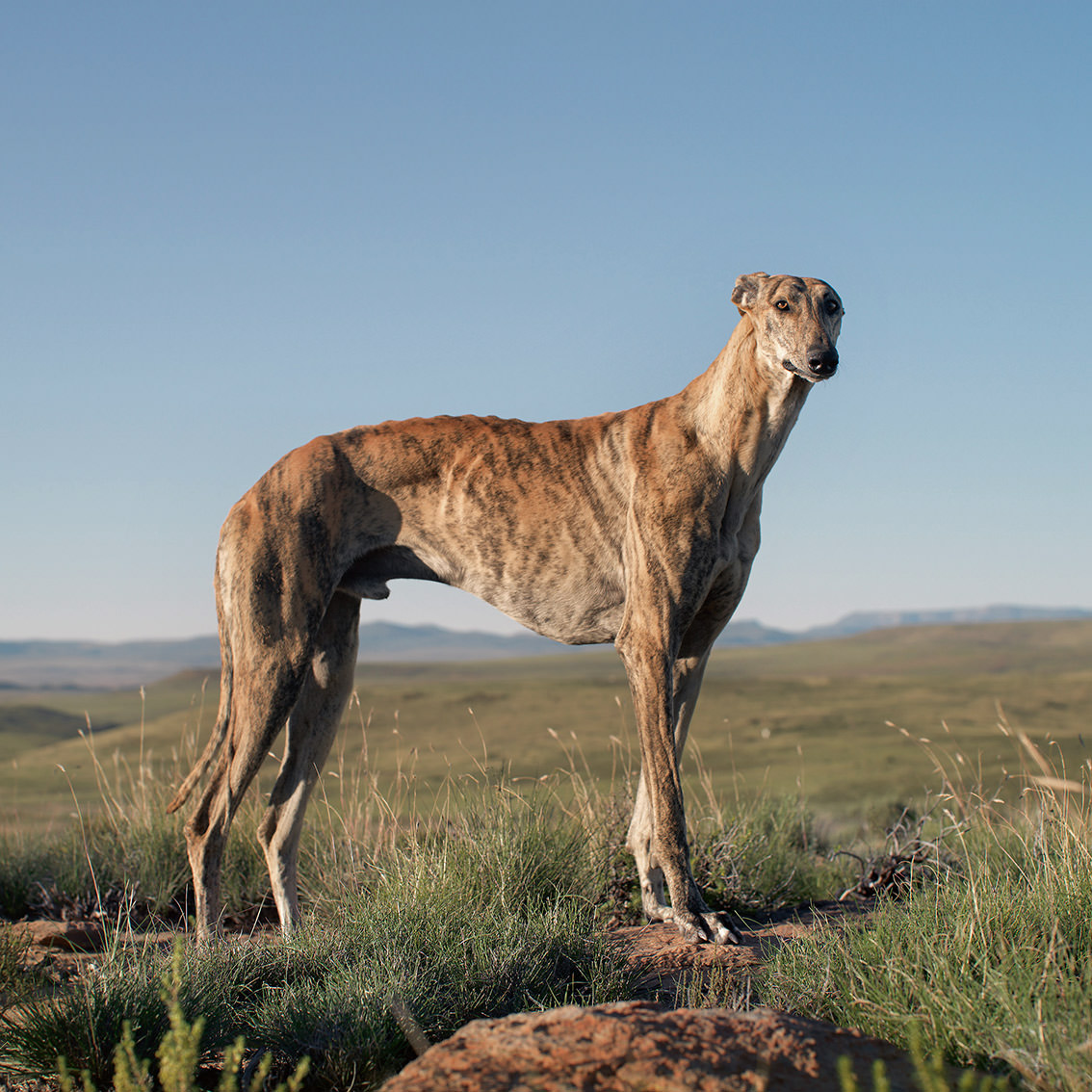
Africanis 21. Richmond, Northern Cape, South Africa, 17 April 2011
Image size: 60 x 60 cm
Paper size: 74 x 74 cm
Edition of 8 + 2 AP
Image size: 110 x 110 cm
Paper size: 124 x 124 cm
Edition of 8 + 2 AP
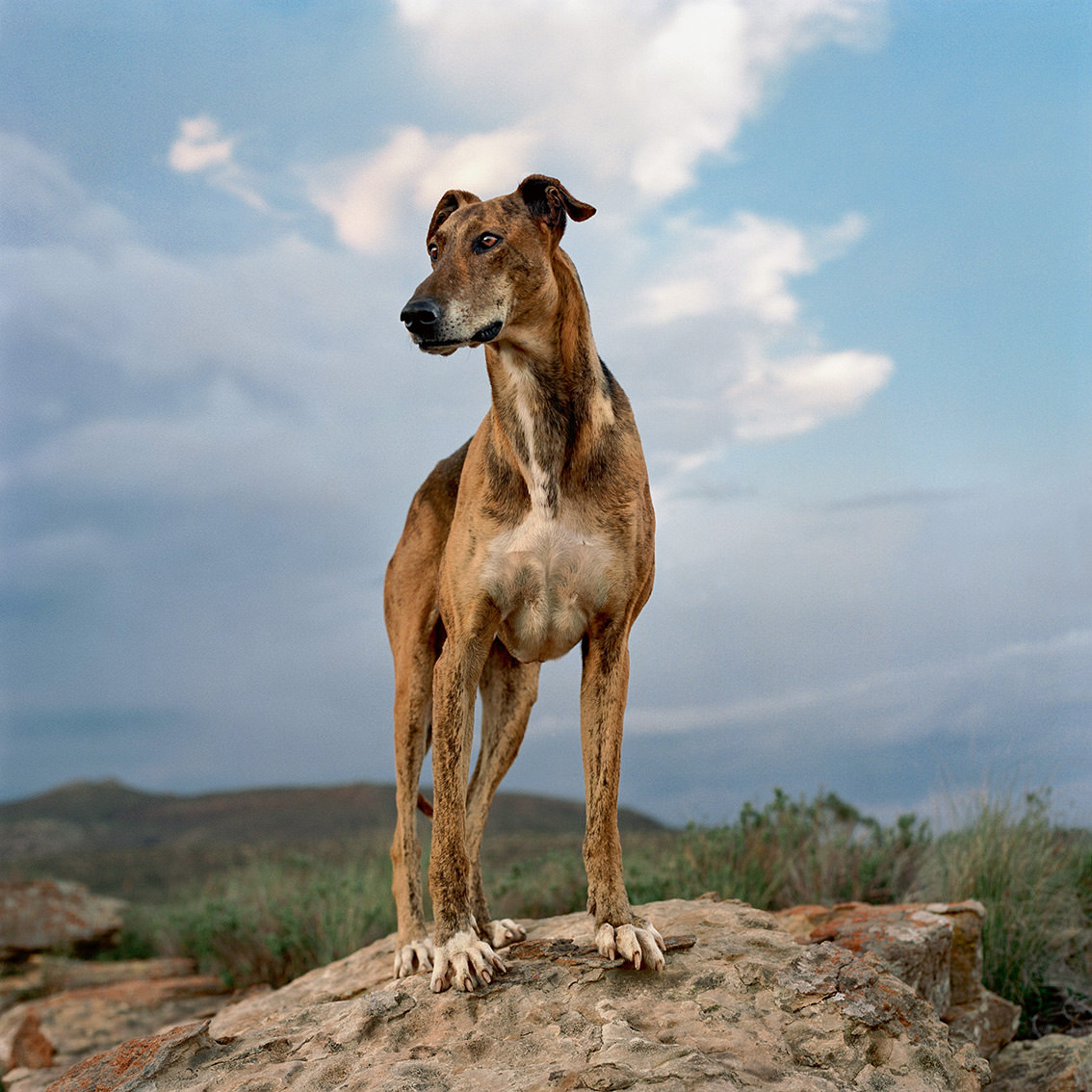
Africanis 23. Richmond, Northern Cape, South Africa, 28 January 2009
Image size: 60 x 60 cm
Paper size: 74 x 74 cm
Edition of 8 + 2 AP
SOLD OUT
Image size: 110 x 110 cm
Paper size: 124 x 124 cm
Edition of 8 + 2 AP
SOLD OUT
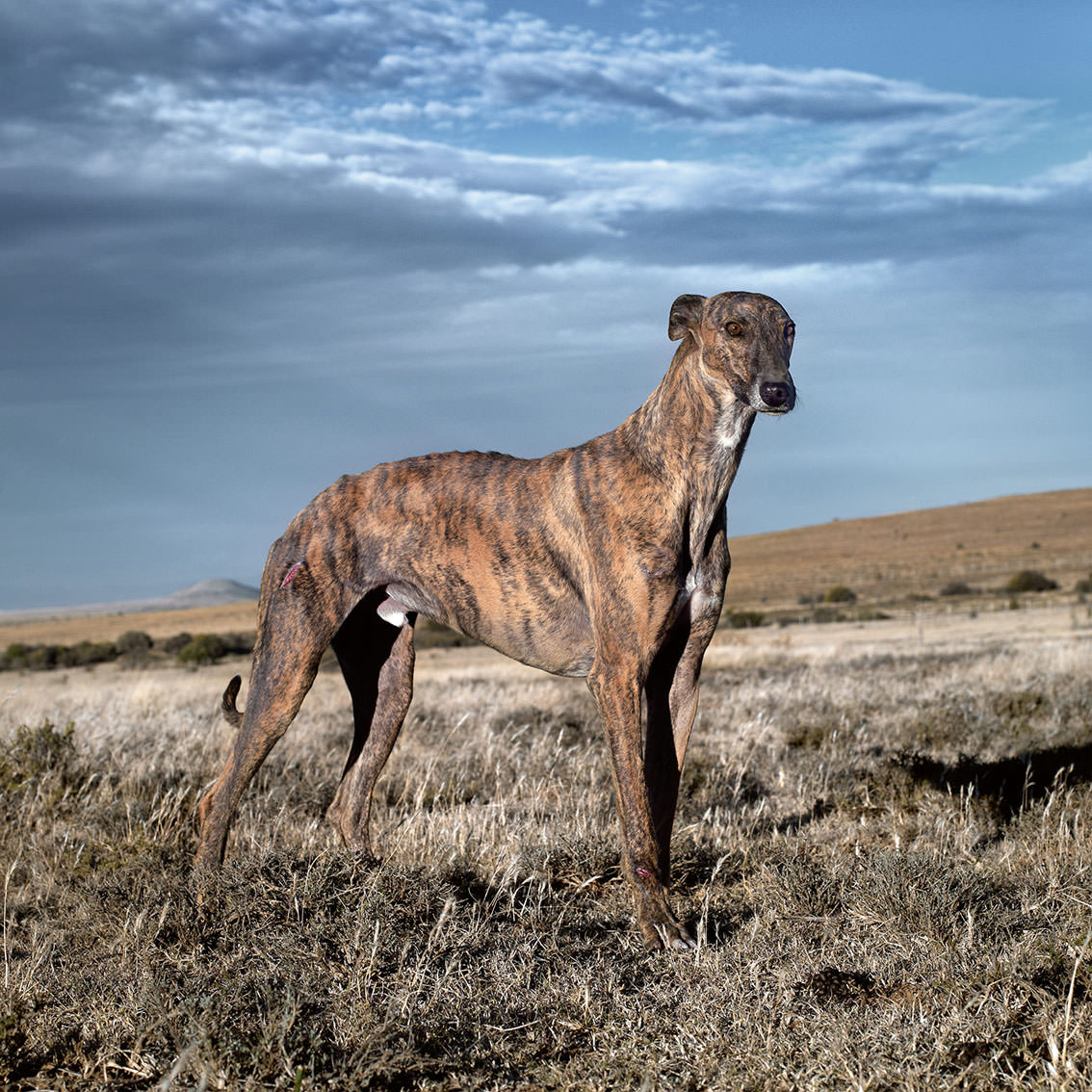
Africanis 24. Graaff-Reinet, Eastern Cape, South Africa, 30 May 2011
Image size: 60 x 60 cm
Paper size: 74 x 74 cm
Edition of 8 + 2 AP
Image size: 110 x 110 cm
Paper size: 124 x 124 cm
Edition of 8 + 2 AP
SOLD OUT
Africanis
Daniel Naudé's first encounter with the Africanis was on a road trip through the Karoo in late 2006. At a point in the landscape where no settlement was in sight, a dog scuttled across the road, tail curled between its legs. It was about a metre high at the shoulder, and its hanging jaw was covered in foam. Naudé was struck that this was clearly a dog without an owner, a pariah-like creature. Soon afterwards he took his first portrait of one of these dogs in the Transkei, and the intensity of its expression and of their encounter inspired him to search for others in the Karoo and Transkei.
The Africanis has recently been recognised as a breed that descended from the dogs depicted in Egyptian murals (see Johan Gallant, The Story of the African Dog, Durban, 2002). They are the product of natural selection and physical and mental adaptation to environmental conditions over centuries, rather than the selective breeding by humans that determines all domestic dog breeds today. As such they are one of the few remaining natural dog races in the world. They were not always recognised as such. During the colonial and apartheid eras, they were variously disparaged as African Dogs, Bantu Dogs, Hottentot Hunting Dogs, Zulu Dogs and, most often, Kaffir Dogs. Today, the Africanis is still to be found throughout southern Africa in rural areas where it is valued by indigenous populations for its hardiness, intelligence, loyalty and hunting ability. These dogs are not to be confused with the strays seen on urban peripheries and townships which are mongrels although they often have some Africanis in their bloodline.
Africanis dogs vary enormously in appearance because they have adapted to the landscape and climate of the region, reflected in their size, diet, posture, skin and fur. The studio-like format of Naudé's images, with the dogs centrally placed, includes this landscape. The dogs have a symbiotic relationship with the land and embody its essence. Naudé's approach recalls that of the painters of the late 18th century such as George Stubbs and Samuel Daniell, among many others, who in the era of enlightenment sought to classify the natural world. His acute observation of physical characteristics, perhaps a result of an obsession in his youth with drawing animals, is reflected in the sculptural poise of the animals in his photographs.
Naudé is interested in the fact that while the Africanis are loosely attached to rural settlements of humans, they retain their own independence and domain. They are thus unlike domesticated pedigree and cross-breed dogs that have a master, an owner. When we look at the Africanis from a domestic, urban perspective, we frequently overlook their virtues because we perceive them as feral animals rather than thoroughbreds. Naudé confronts us with their aesthetic qualities and imbues them with a stillness that is not usually associated with untamed animals. Achieving this stillness is a technical feat because the photographs are taken on medium format film. For Naudé, locating and photographing these dogs is like hunting a wild animal. From the point when he enters its territory, there is an intense engagement between the photographer and the animal. While each dog reacts differently to his presence, they are all interested in and insecure about the encounter. Before a connection can develop, Naudé needs to gain the wary and nervous animal's trust by being quiet and unobtrusive so that the dog slowly accepts his presence. It is in the terse standoff between dog and photographer that Naudé finds this paradoxical stillness.
INFORMATION REQUIRED
To request a print or enquire about an image, please include the photo name and any relevant details below.
Previous
Next