
// 2012 - 2014
Sightings of the Sacred
Location
Uganda, Madagascar and India
Subject
Ankole in Uganda, Zebu in Madagascar and holy cattle in India.
Year
2012 - 2014
Format
Digital Phase One
Short Description
Portraits of sacred cattle across Uganda, Madagascar and India, exploring the deep cultural, spiritual and ancestral roles these animals play in the Bahima, Bara and Hindu communities. Photographed in natural light within descriptive landscapes, each image captures a sculptural presence that heightens the animal's revered status.
Uganda
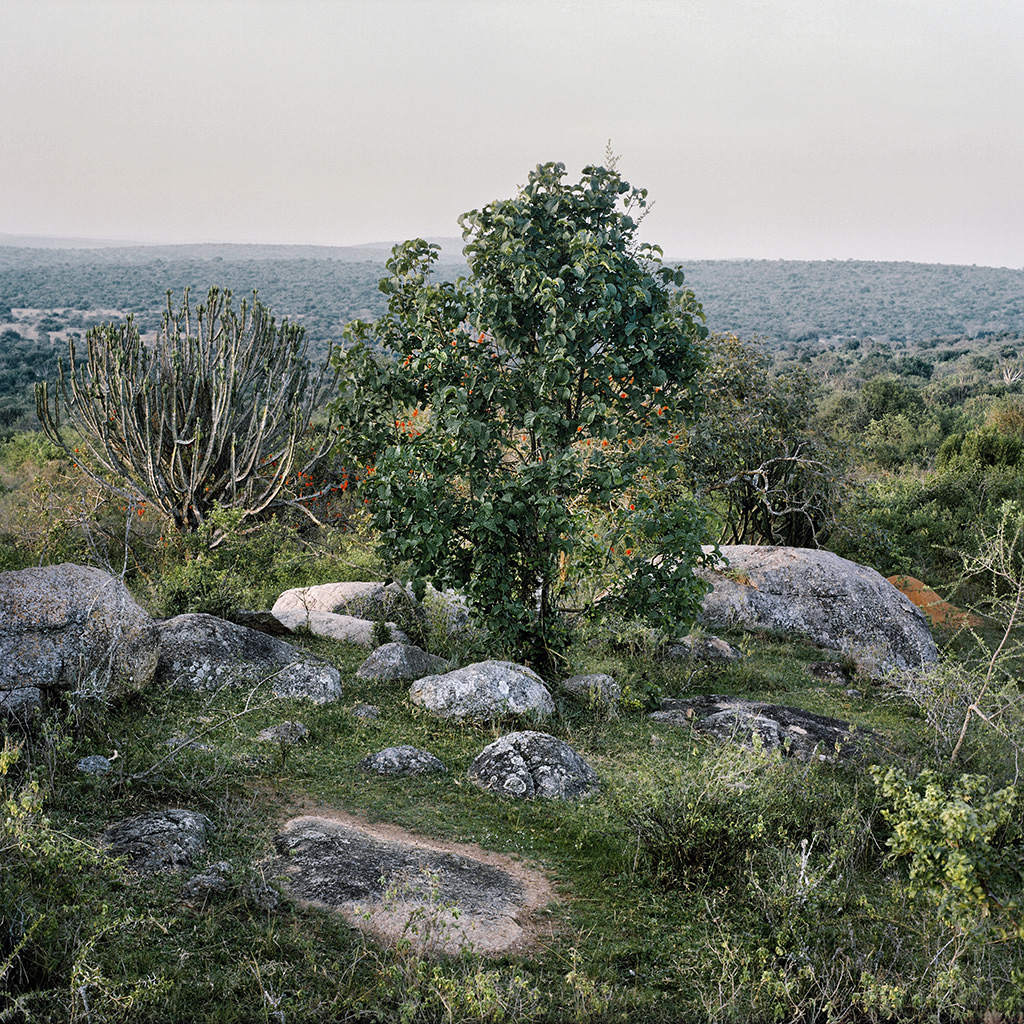
Untitled 1. Lake Mburo district, Nyabushozi, Western Region, Uganda, 2012
Image size: 60 x 60 cm
Paper size: 74 x 74 cm
Edition of 8 + 2 AP
Image size: 100 x 100 cm
Paper size: 112 x 112 cm
Edition of 8 + 2 AP
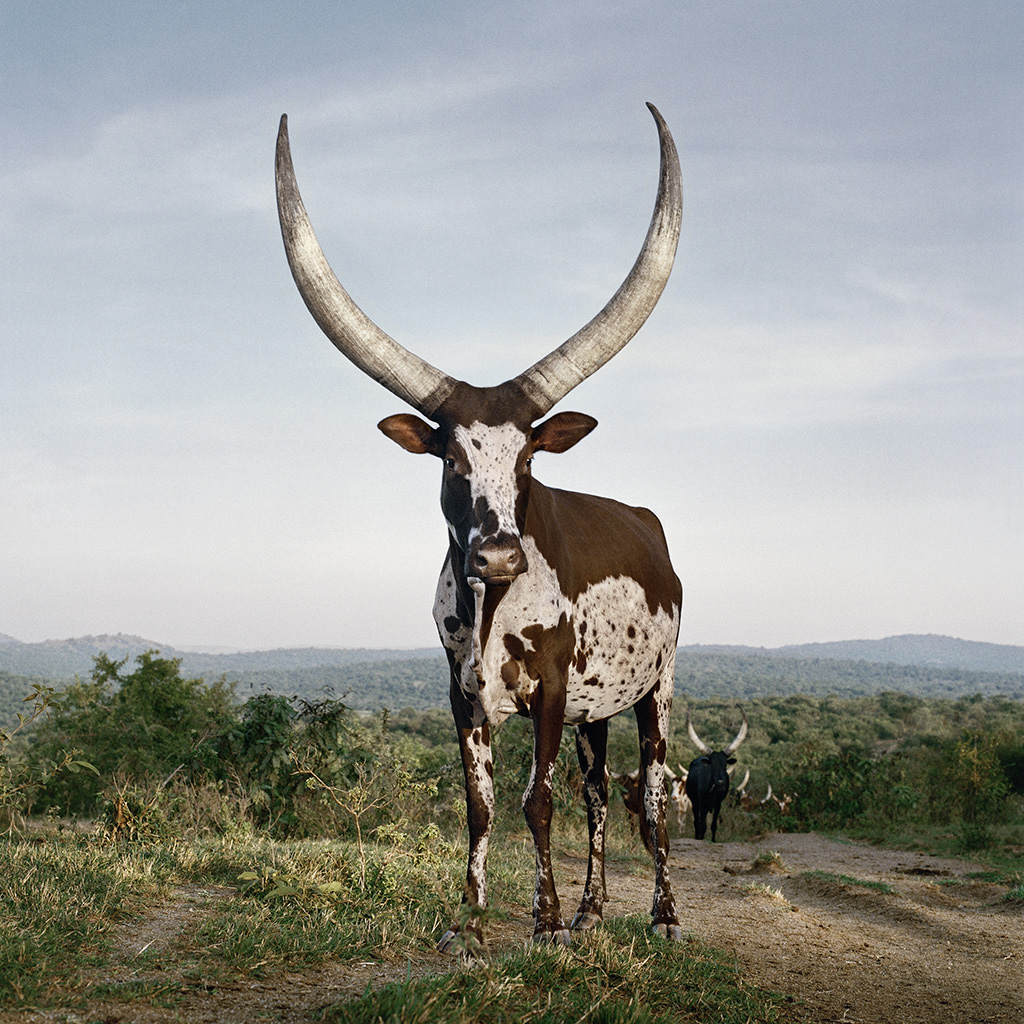
Ankole 2. Lake Mburo district, Nyabushozi, Western Region, Uganda, 2012
Image size: 60 x 60 cm
Paper size: 74 x 74 cm
Edition of 8 + 2 AP
Image size: 100 x 100 cm
Paper size: 112 x 112 cm
Edition of 8 + 2 AP
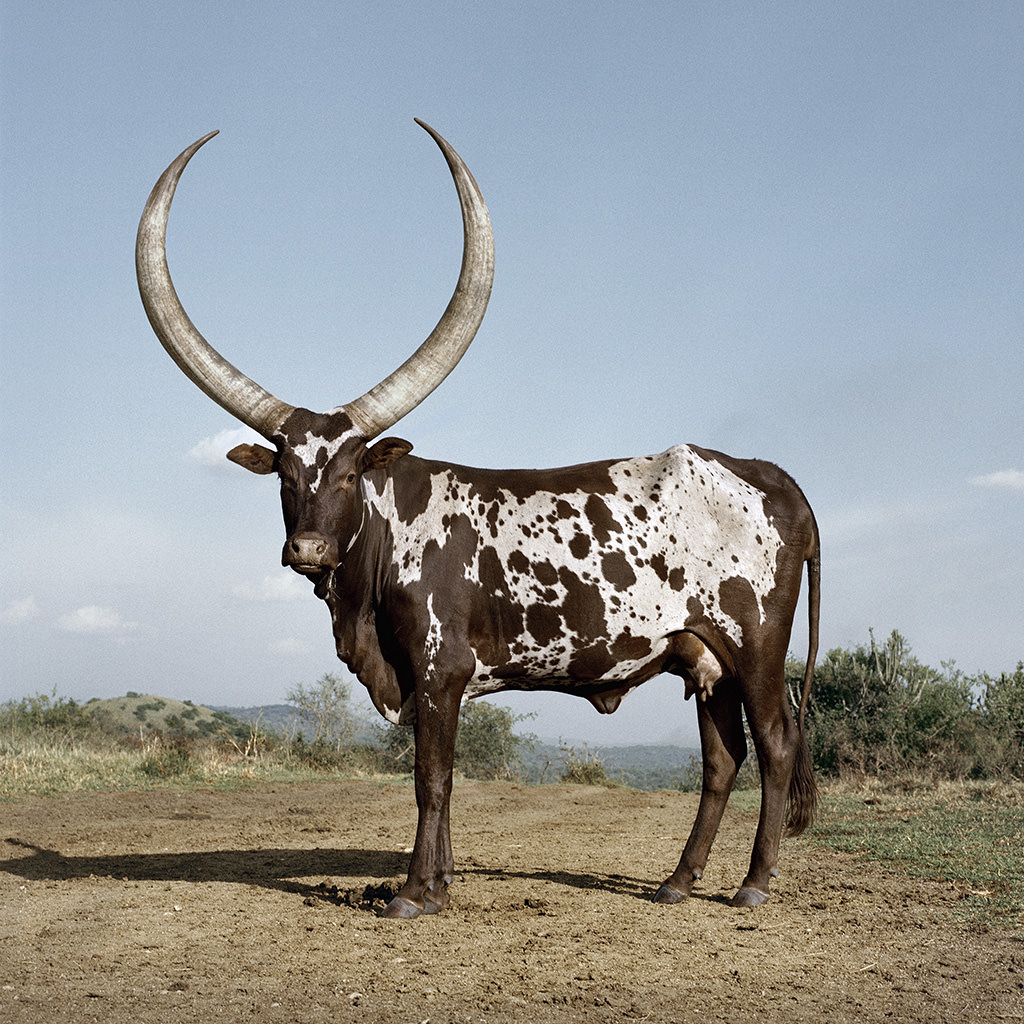
Ankole 11. Lake Mburo district, Nyabushozi, Western Region, Uganda, 2012
Image size: 60 x 60 cm
Paper size: 74 x 74 cm
Edition of 8 + 2 AP
Image size: 100 x 100 cm
Paper size: 112 x 112 cm
Edition of 8 + 2 AP
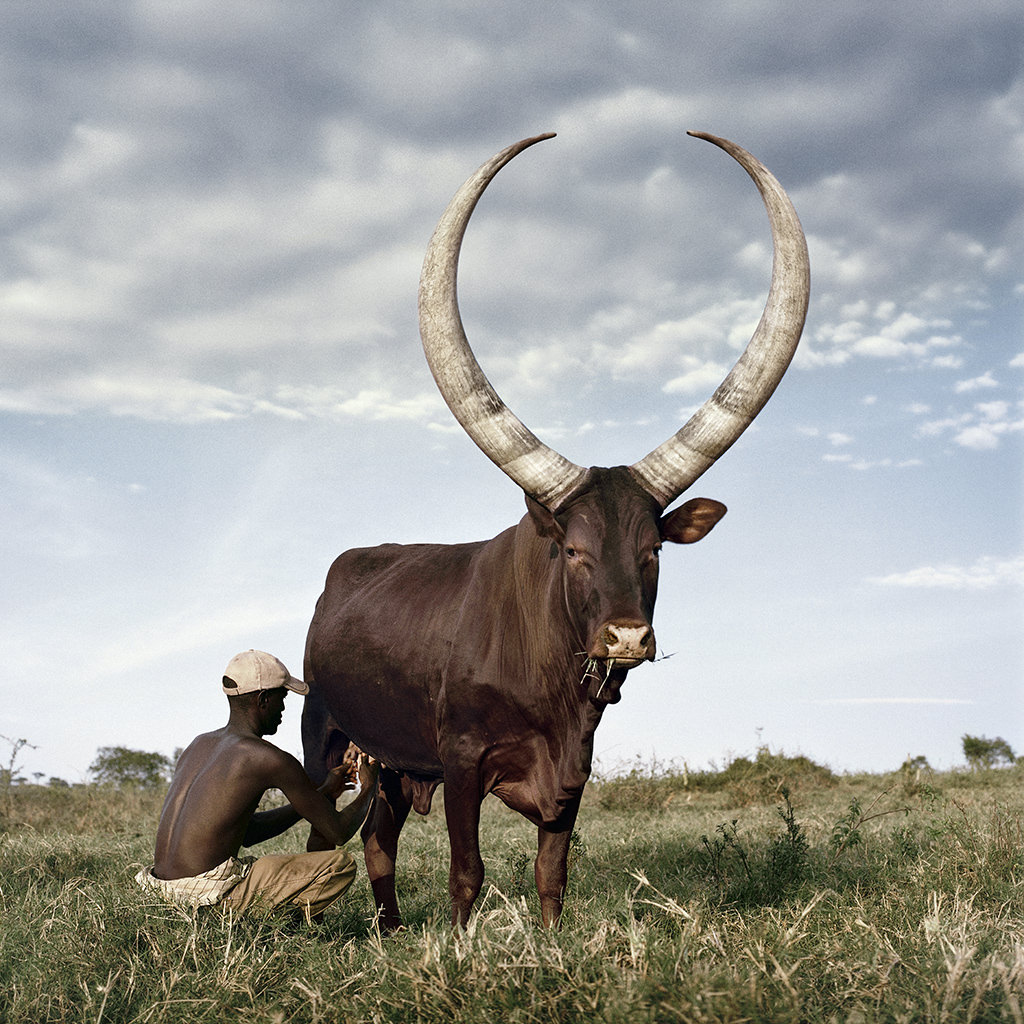
Ankole 3. Outside Mbarara, Kiruhura district, Western Region, Uganda, 2012
Image size: 60 x 60 cm
Paper size: 74 x 74 cm
Edition of 8 + 2 AP
Image size: 100 x 100 cm
Paper size: 112 x 112 cm
Edition of 8 + 2 AP

Ankole 1. Lake Mburo district, Nyabushozi, Western Region, Uganda, 2012
Image size: 60 x 60 cm
Paper size: 74 x 74 cm
Edition of 8 + 2 AP
Image size: 100 x 100 cm
Paper size: 112 x 112 cm
Edition of 8 + 2 AP
SOLD OUT

Ankole 10. Lake Mburo district, Nyabushozi, Western Region, Uganda, 2012
Image size: 60 x 60 cm
Paper size: 74 x 74 cm
Edition of 8 + 2 AP
Image size: 100 x 100 cm
Paper size: 112 x 112 cm
Edition of 8 + 2 AP
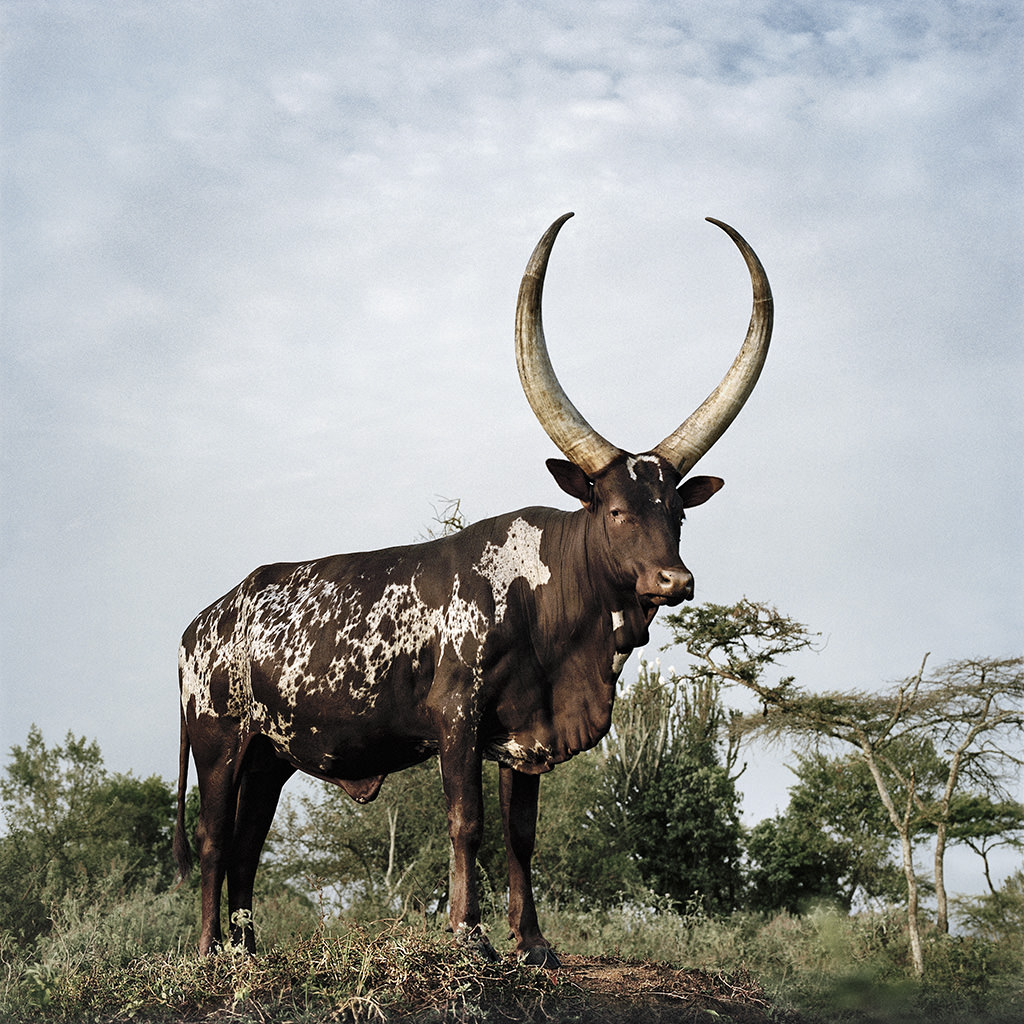
Ankole 5. Lake Mburo district, Nyabushozi, Western Region, Uganda, 2012
Image size: 60 x 60 cm
Paper size: 74 x 74 cm
Edition of 8 + 2 AP
Image size: 100 x 100 cm
Paper size: 112 x 112 cm
Edition of 8 + 2 AP
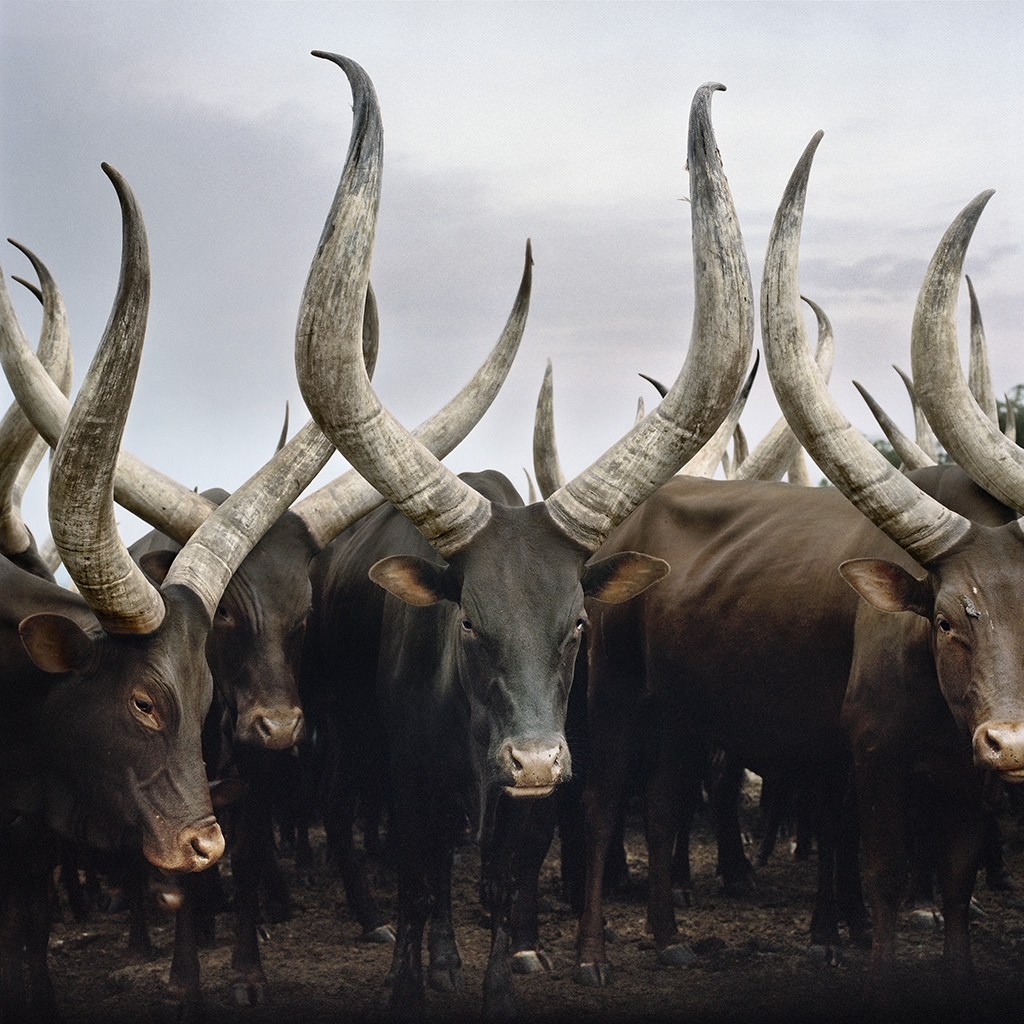
Group of Ankole cattle. Kiruhura district, Western Region, Uganda, 2012
Image size: 60 x 60 cm
Paper size: 74 x 74 cm
Edition of 8 + 2 AP
Image size: 100 x 100 cm
Paper size: 112 x 112 cm
Edition of 8 + 2 AP
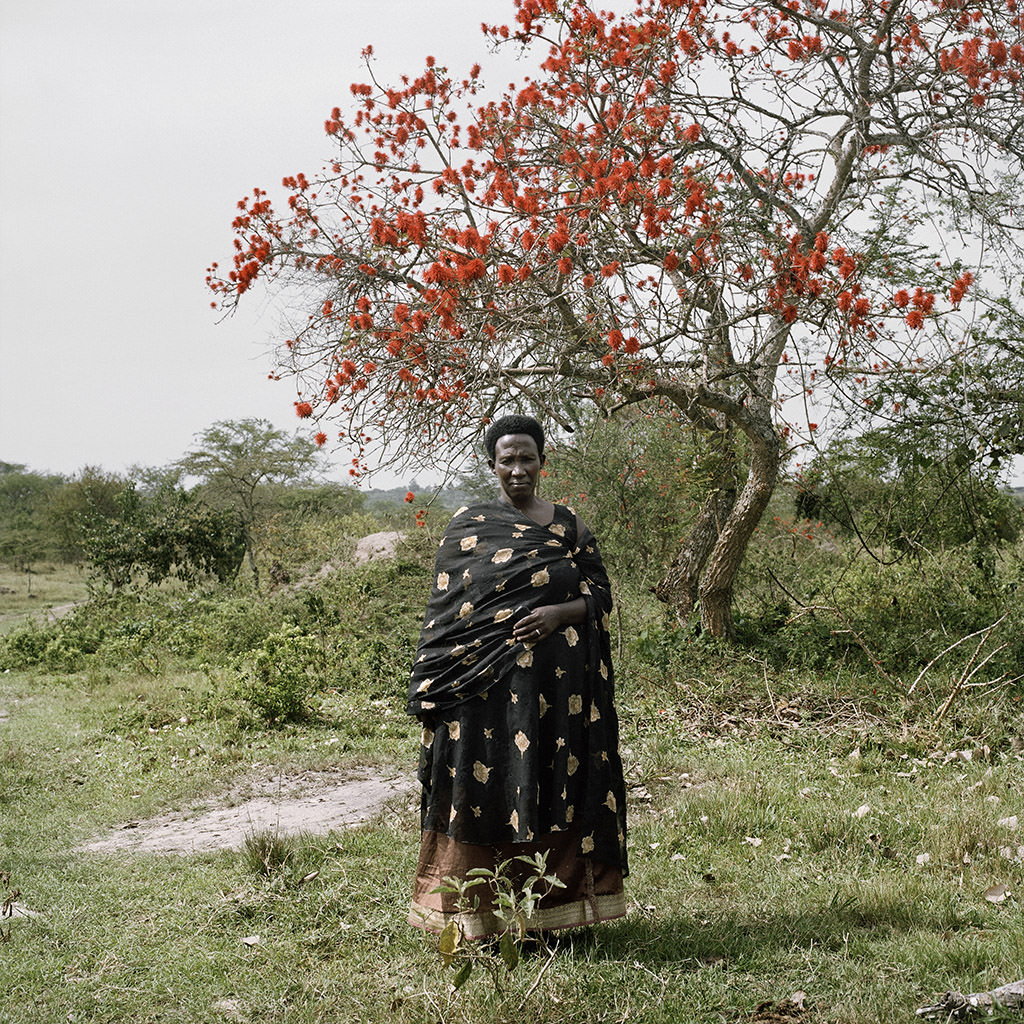
Hope Nduhakire. Ankole Cattle Farmer. Outside Kachwangobe, Kiruhura district, Western Region, Uganda, 2012
Image size: 60 x 60 cm
Paper size: 74 x 74 cm
Edition of 8 + 2 AP
Image size: 100 x 100 cm
Paper size: 112 x 112 cm
Edition of 8 + 2 AP
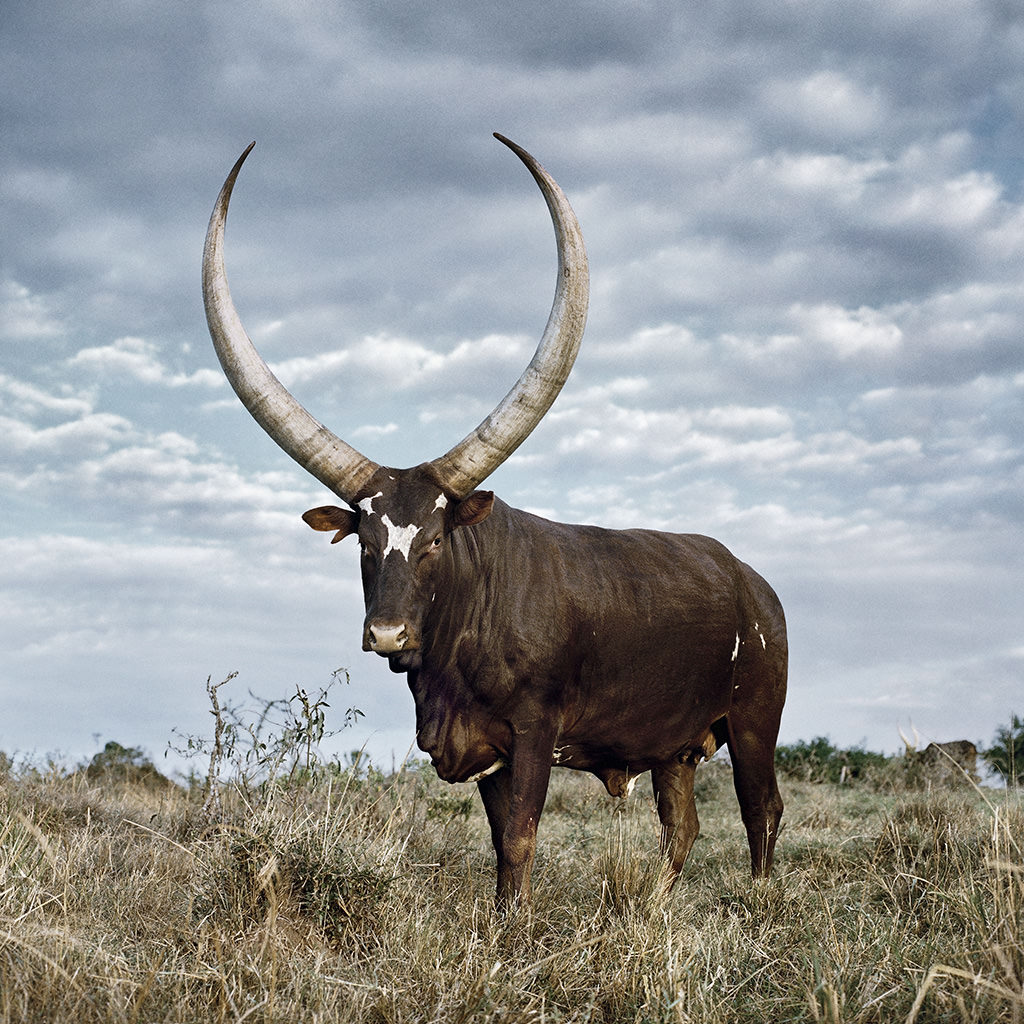
Ankole 8. Outside Mbarara, Kiruhura district, Western Region, Uganda, 2012
Image size: 60 x 60 cm
Paper size: 74 x 74 cm
Edition of 8 + 2 AP
Image size: 100 x 100 cm
Paper size: 112 x 112 cm
Edition of 8 + 2 AP
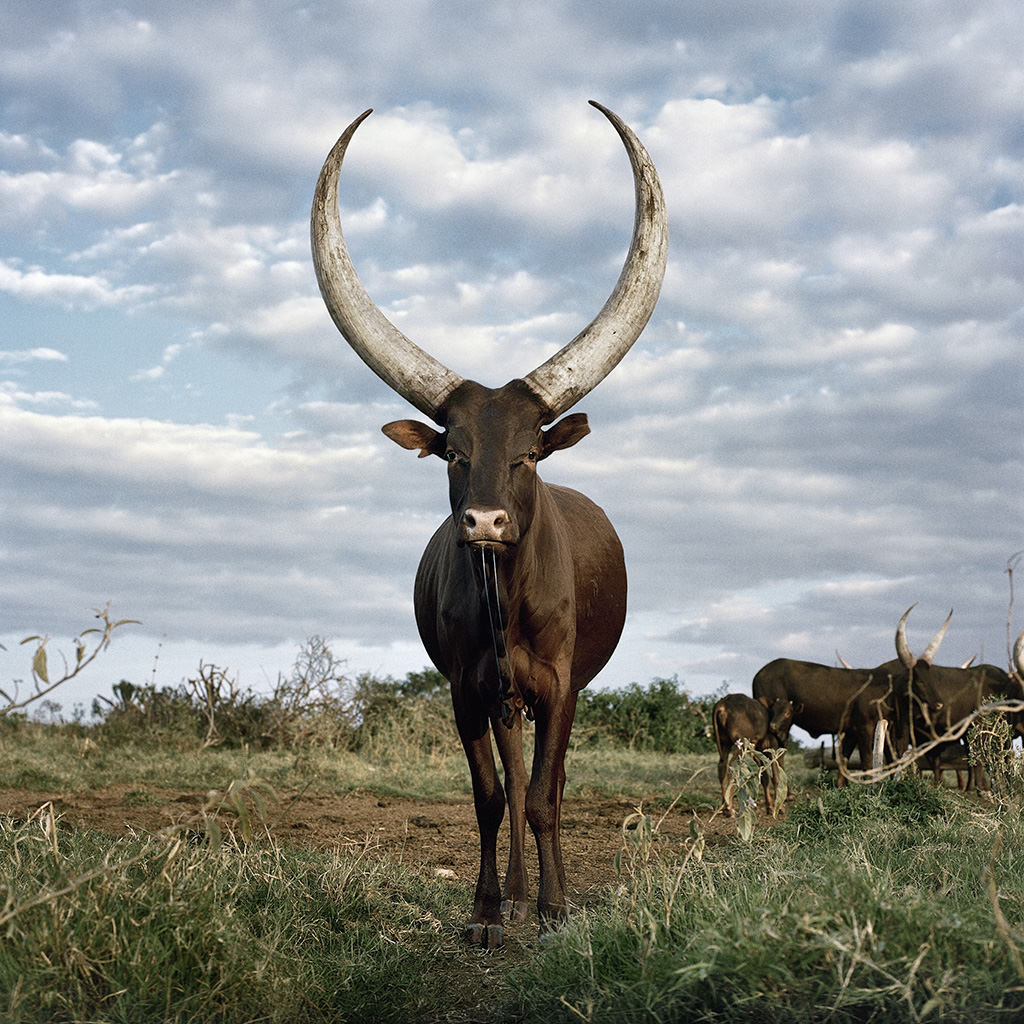
Ankole 4. Outside Mbarara, Kiruhura district, Western Region, Uganda, 2012
Image size: 60 x 60 cm
Paper size: 74 x 74 cm
Edition of 8 + 2 AP
Image size: 100 x 100 cm
Paper size: 112 x 112 cm
Edition of 8 + 2 AP
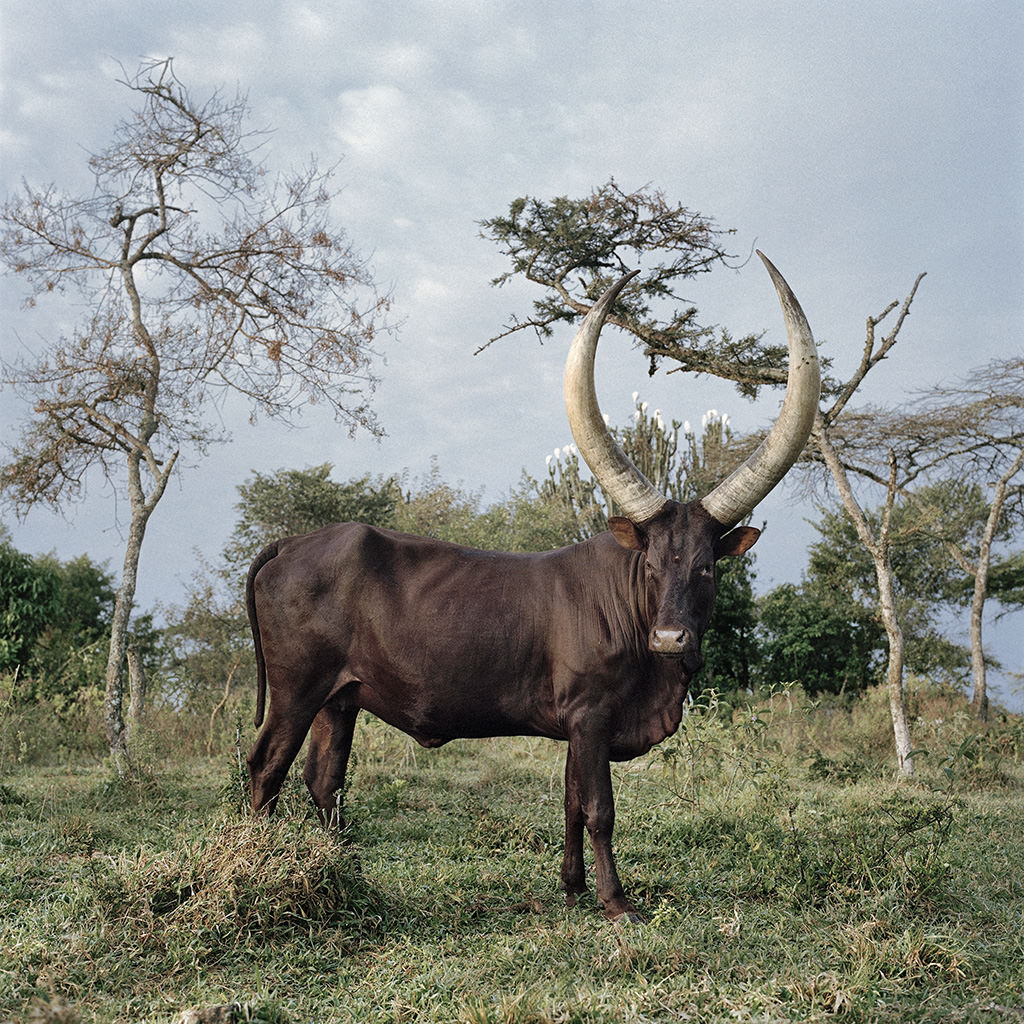
Ankole 7. Lake Mburo district, Nyabushozi, Western Region, Uganda, 2012
Image size: 60 x 60 cm
Paper size: 74 x 74 cm
Edition of 8 + 2 AP
Image size: 100 x 100 cm
Paper size: 112 x 112 cm
Edition of 8 + 2 AP
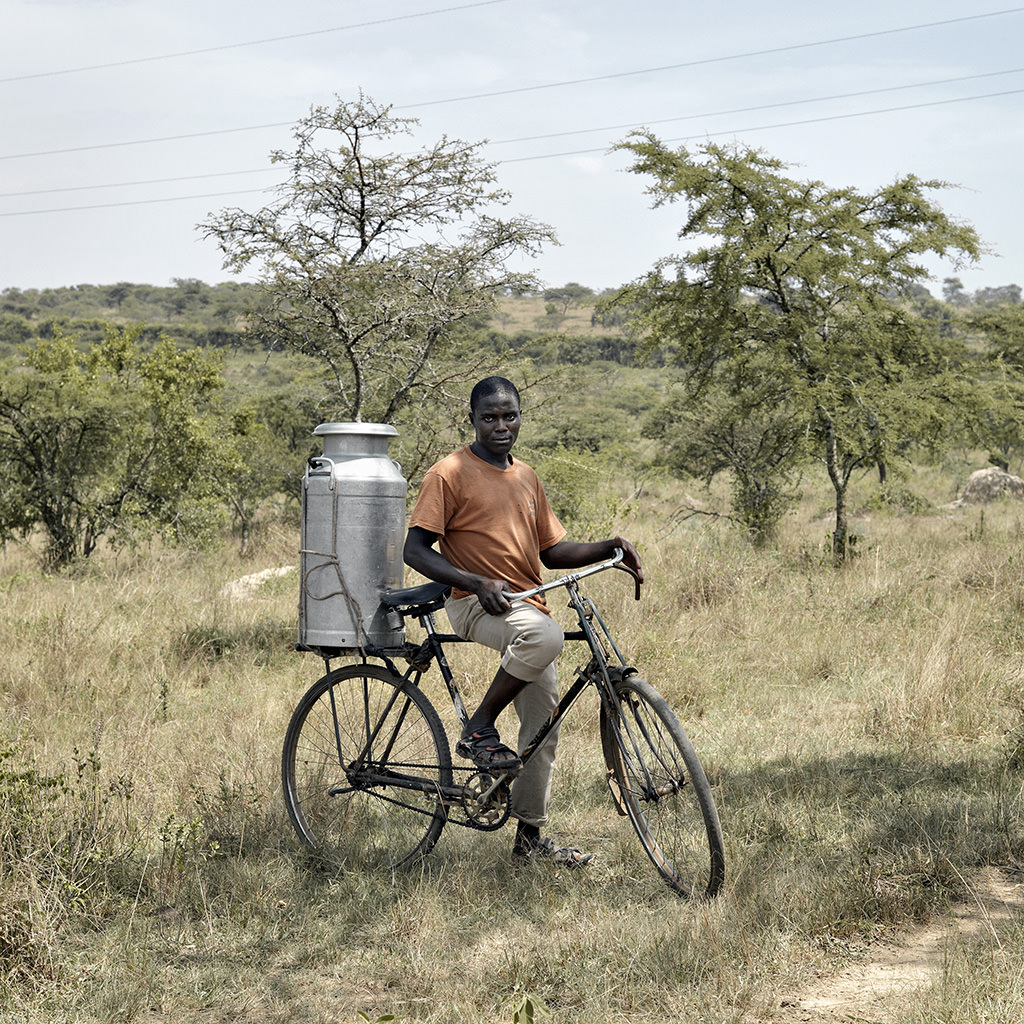
Kato Hussini. Outside Mbarara, Kiruhura district, Western Region, Uganda, 2012
Image size: 60 x 60 cm
Paper size: 74 x 74 cm
Edition of 8 + 2 AP
Image size: 100 x 100 cm
Paper size: 112 x 112 cm
Edition of 8 + 2 AP

Ankole herd. Lake Mburo district, Nyabushozi, Western Region, Uganda, 2012
Image size: 60 x 60 cm
Paper size: 74 x 74 cm
Edition of 8 + 2 AP
Image size: 100 x 100 cm
Paper size: 112 x 112 cm
Edition of 8 + 2 AP
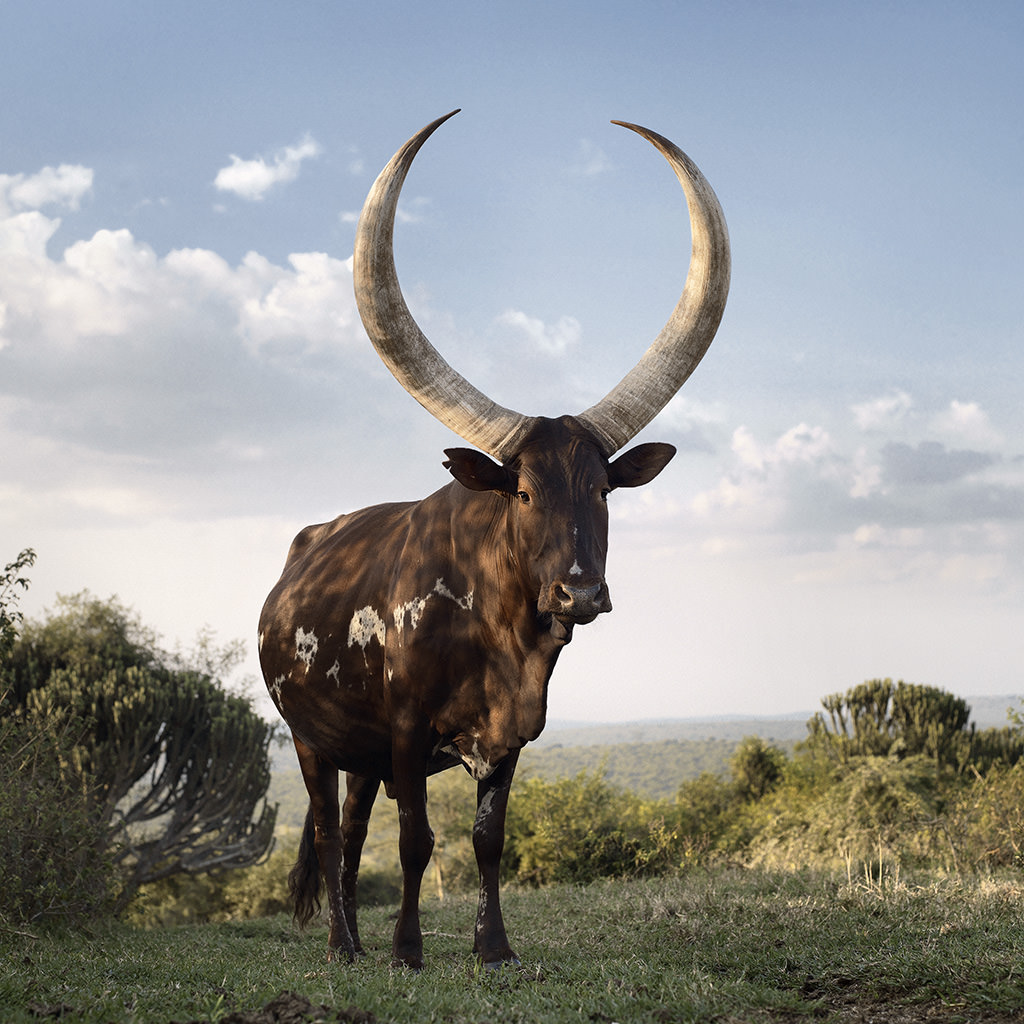
Ankole 14. Lake Mburo district, Nyabushozi, Western Region, Uganda, 2012
Image size: 60 x 60 cm
Paper size: 74 x 74 cm
Edition of 8 + 2 AP
Image size: 100 x 100 cm
Paper size: 112 x 112 cm
Edition of 8 + 2 AP
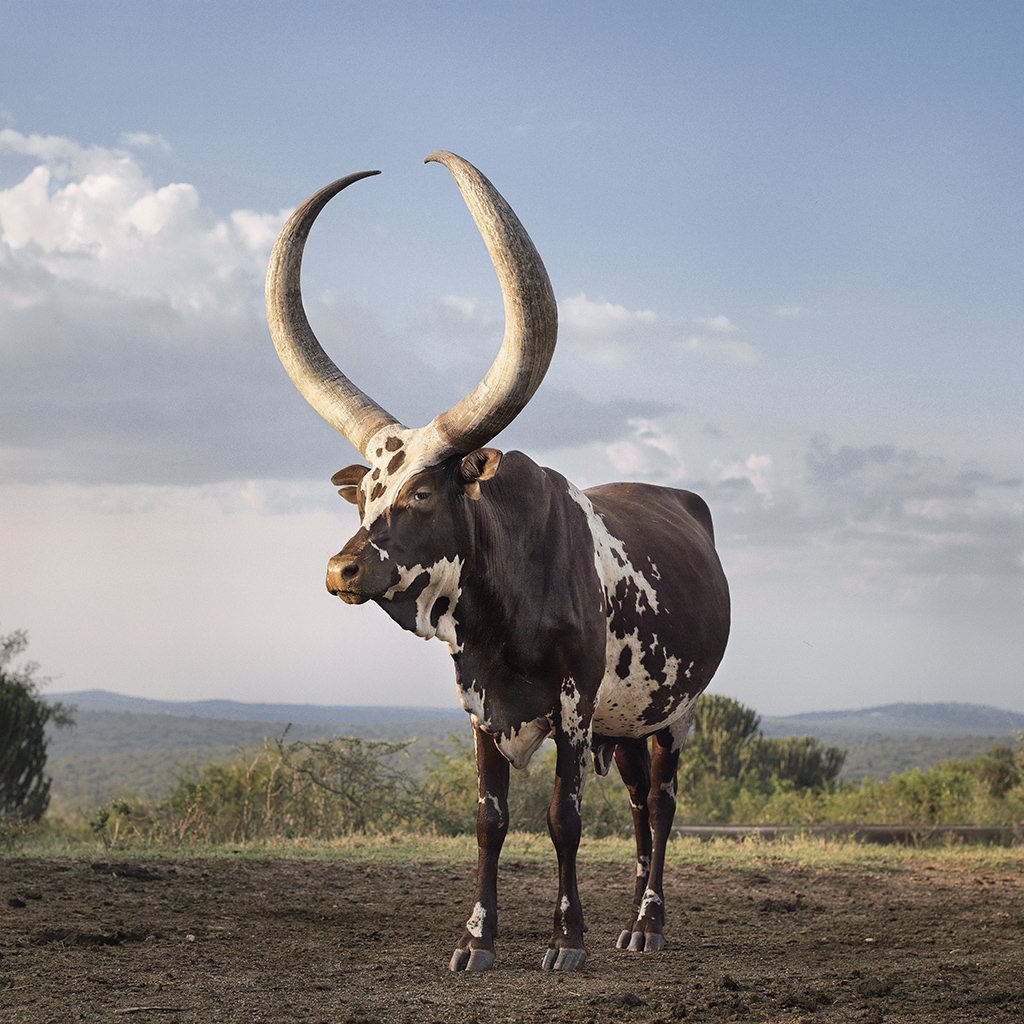
Ankole 15. Lake Mburo district, Nyabushozi, Western Region, Uganda, 2012
Image size: 60 x 60 cm
Paper size: 74 x 74 cm
Edition of 8 + 2 AP
Image size: 100 x 100 cm
Paper size: 112 x 112 cm
Edition of 8 + 2 AP

Ankole 19. Outside Mbarara, Kiruhura district, Western Region, Uganda, 2012
Image size: 60 x 60 cm
Paper size: 74 x 74 cm
Edition of 8 + 2 AP
Image size: 100 x 100 cm
Paper size: 112 x 112 cm
Edition of 8 + 2 AP
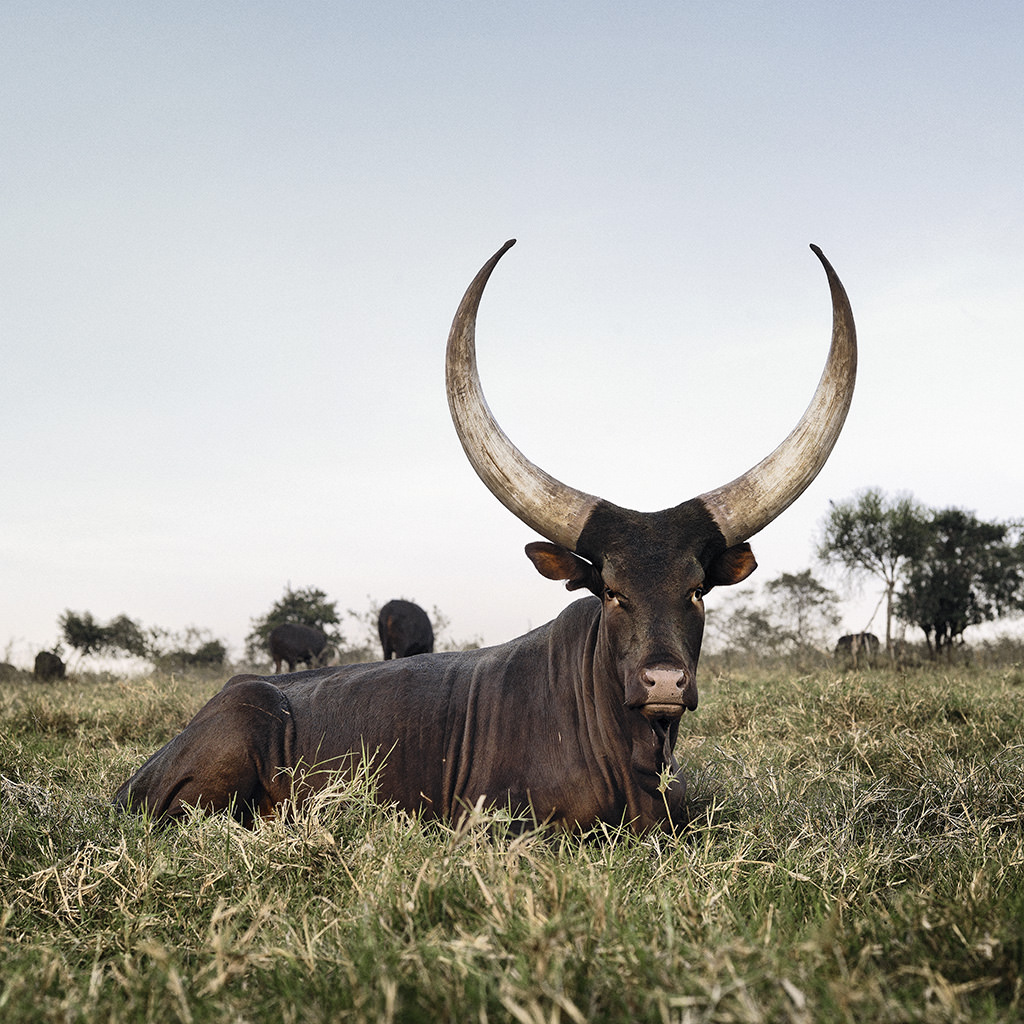
Ankole 12. Outside Mbarara, Kiruhura district, Western Region, Uganda, 2012
Image size: 60 x 60 cm
Paper size: 74 x 74 cm
Edition of 8 + 2 AP
Image size: 100 x 100 cm
Paper size: 112 x 112 cm
Edition of 8 + 2 AP
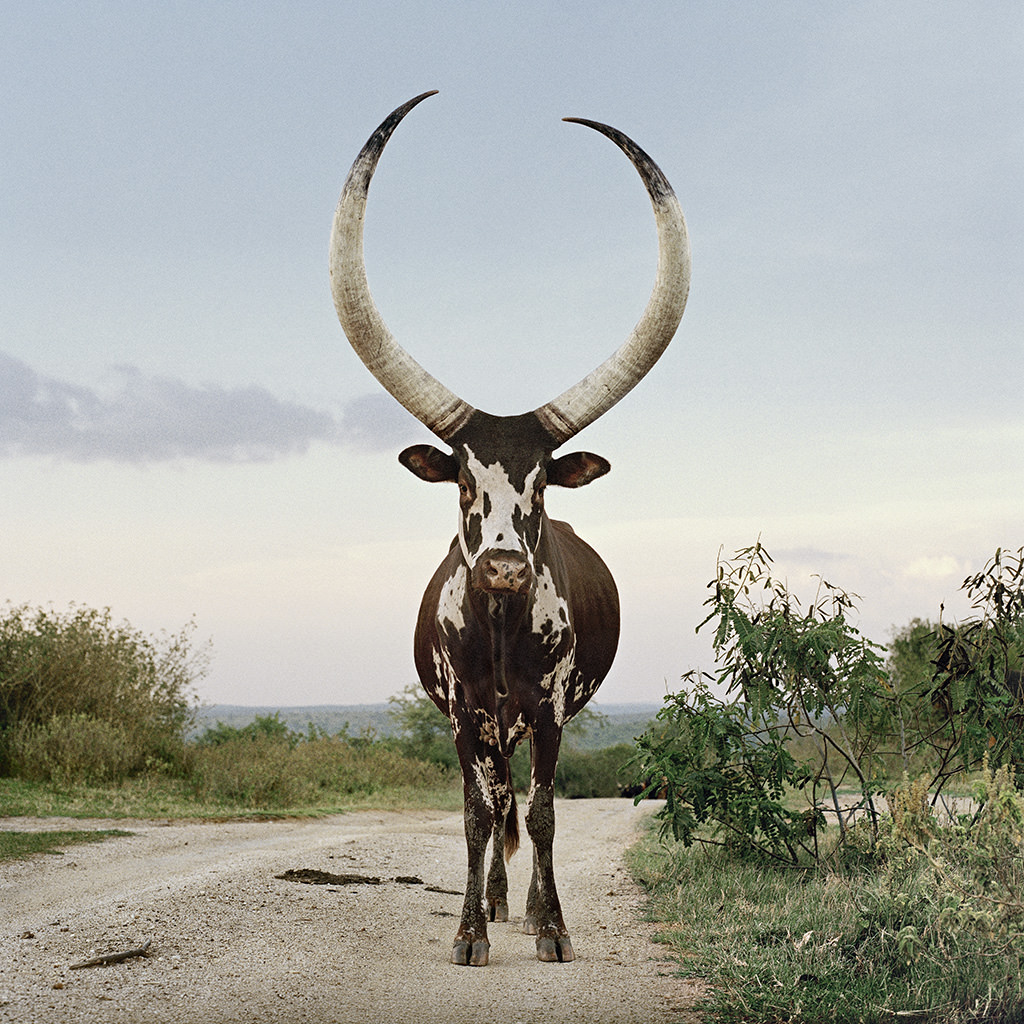
Ankole 9. Lake Mburo district, Nyabushozi, Western Region, Uganda, 2012
Image size: 60 x 60 cm
Paper size: 74 x 74 cm
Edition of 8 + 2 AP
Image size: 100 x 100 cm
Paper size: 112 x 112 cm
Edition of 8 + 2 AP
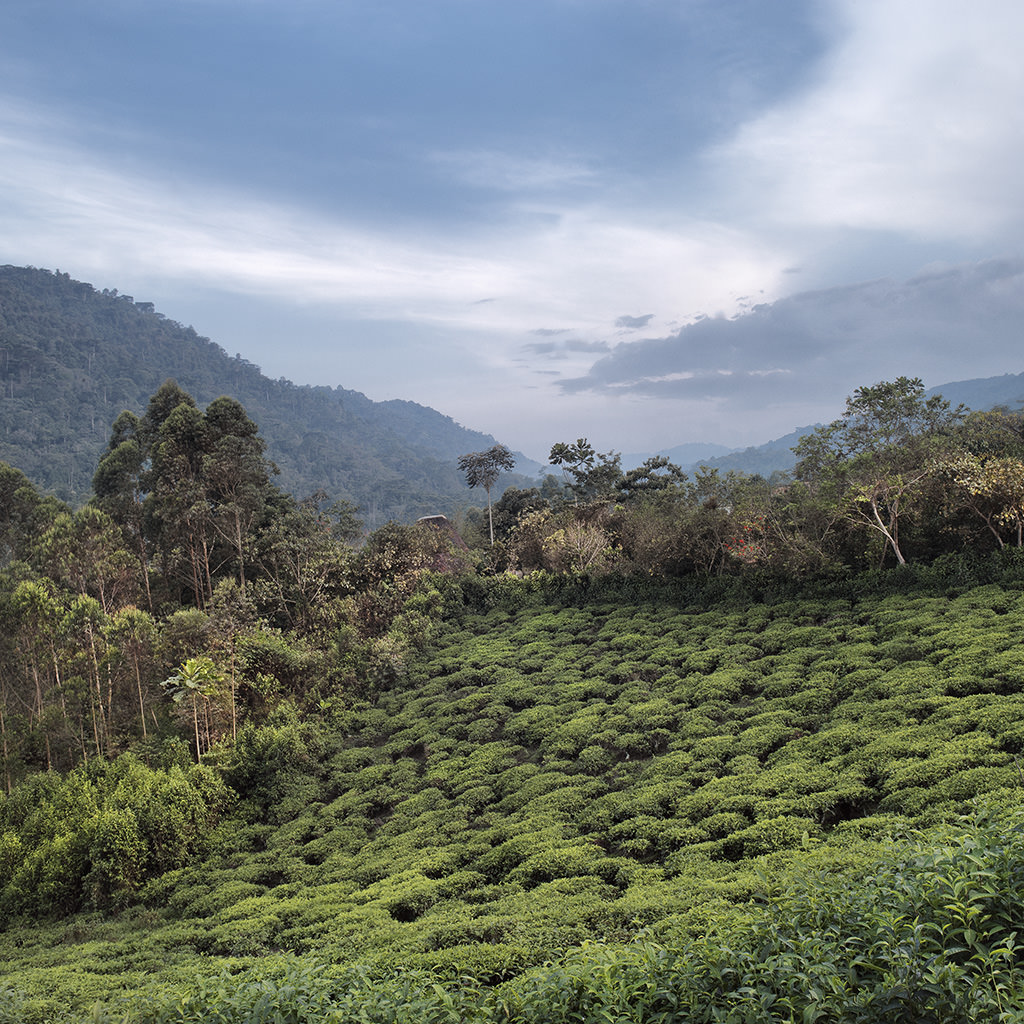
Tea field. Rugyeyo, Kayonsa, Kanungu district, Western Region, Uganda, 2012
Image size: 60 x 60 cm
Paper size: 74 x 74 cm
Edition of 8 + 2 AP
Image size: 100 x 100 cm
Paper size: 112 x 112 cm
Edition of 8 + 2 AP
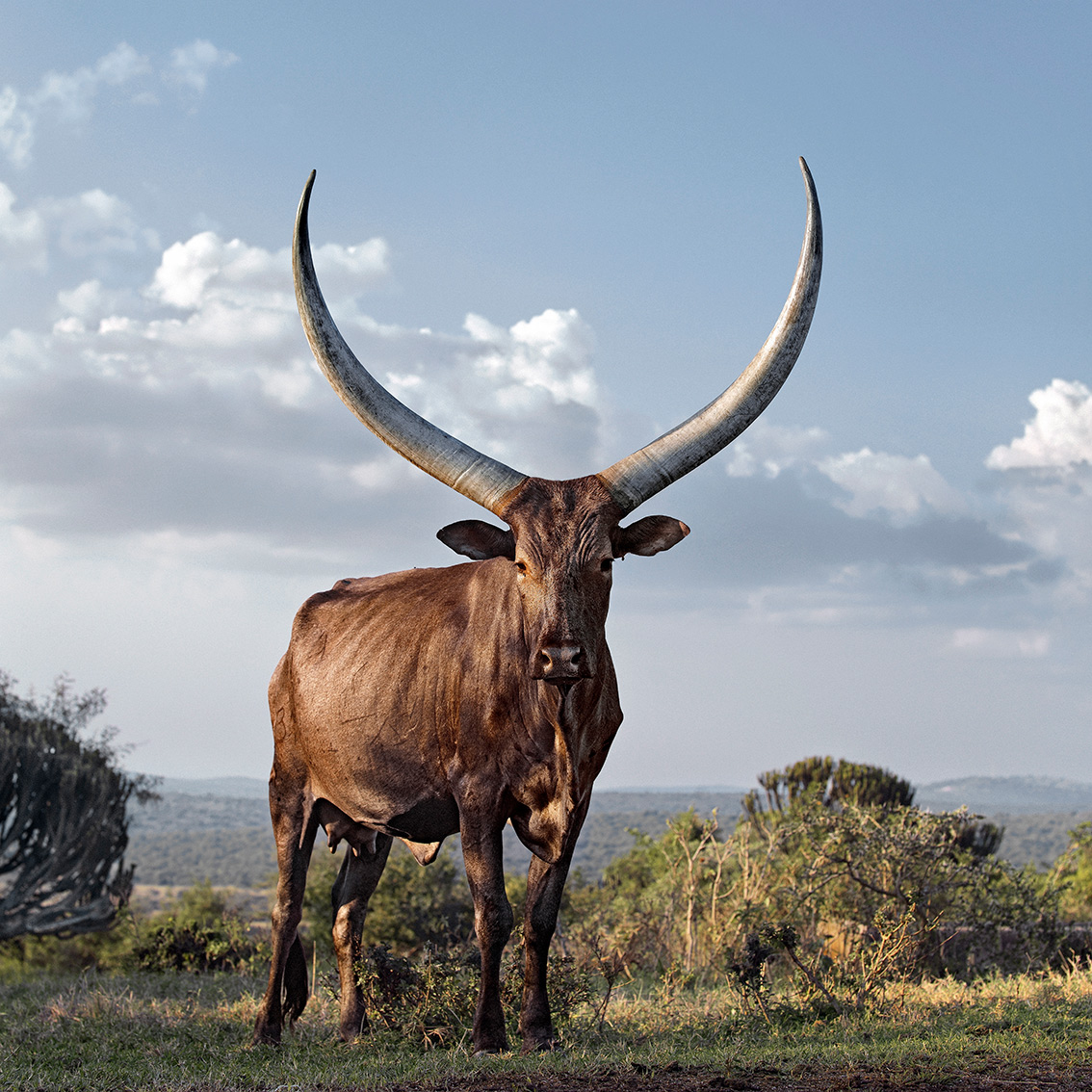
Ankole 17. Lake Mburo district, Nyabushozi, Western Region, Uganda, 2012|
Image size: 60 x 60 cm
Paper size: 74 x 74 cm
Edition of 8 + 2 AP
Image size: 100 x 100 cm
Paper size: 112 x 112 cm
Edition of 8 + 2 AP
Madagascar
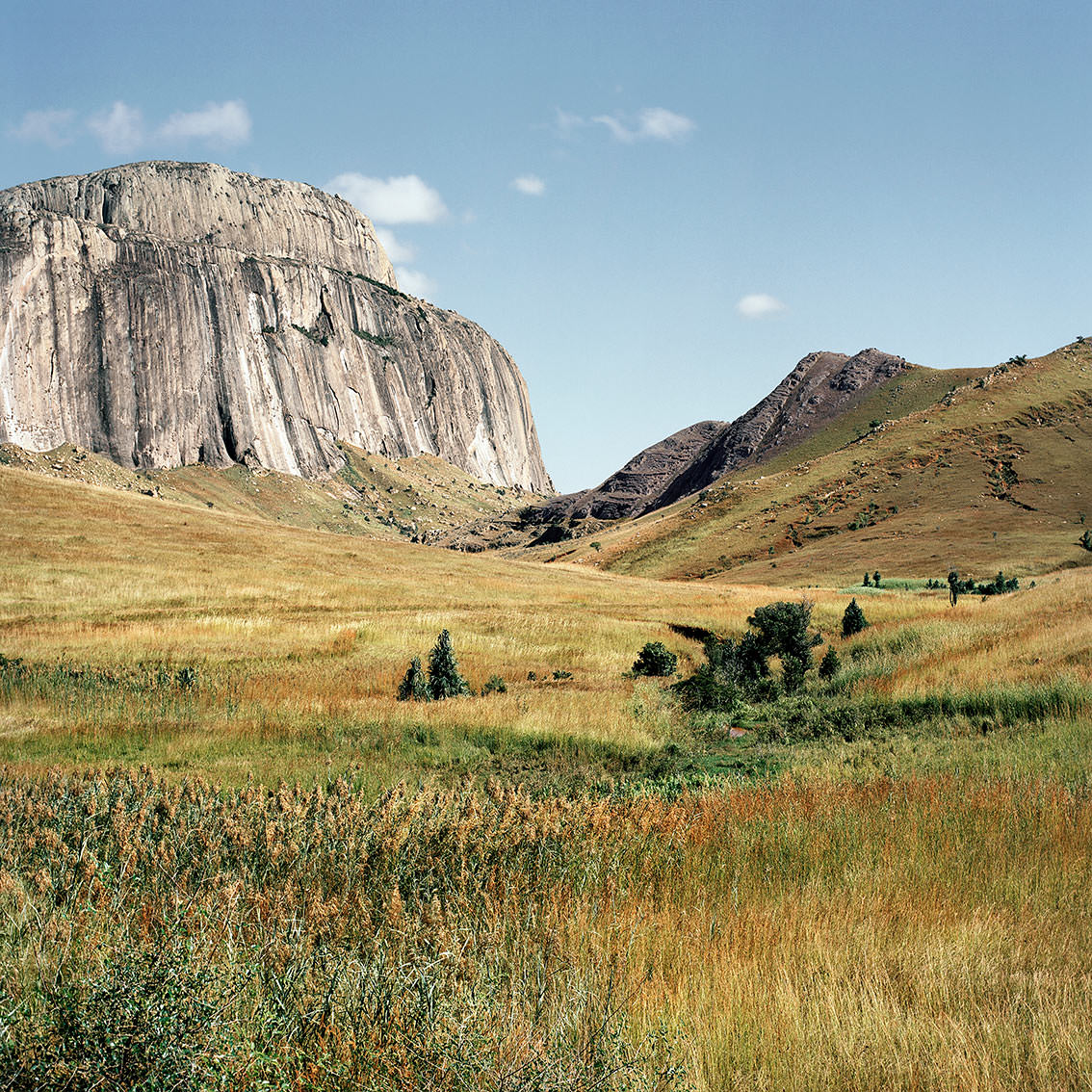
Ranohira Mountain. District of Ihosy, Ihorombe, Madagascar, 2013
Image size: 60 x 60 cm
Paper size: 74 x 74 cm
Edition of 8 + 2 AP
Image size: 100 x 100 cm
Paper size: 112 x 112 cm
Edition of 8 + 2 AP
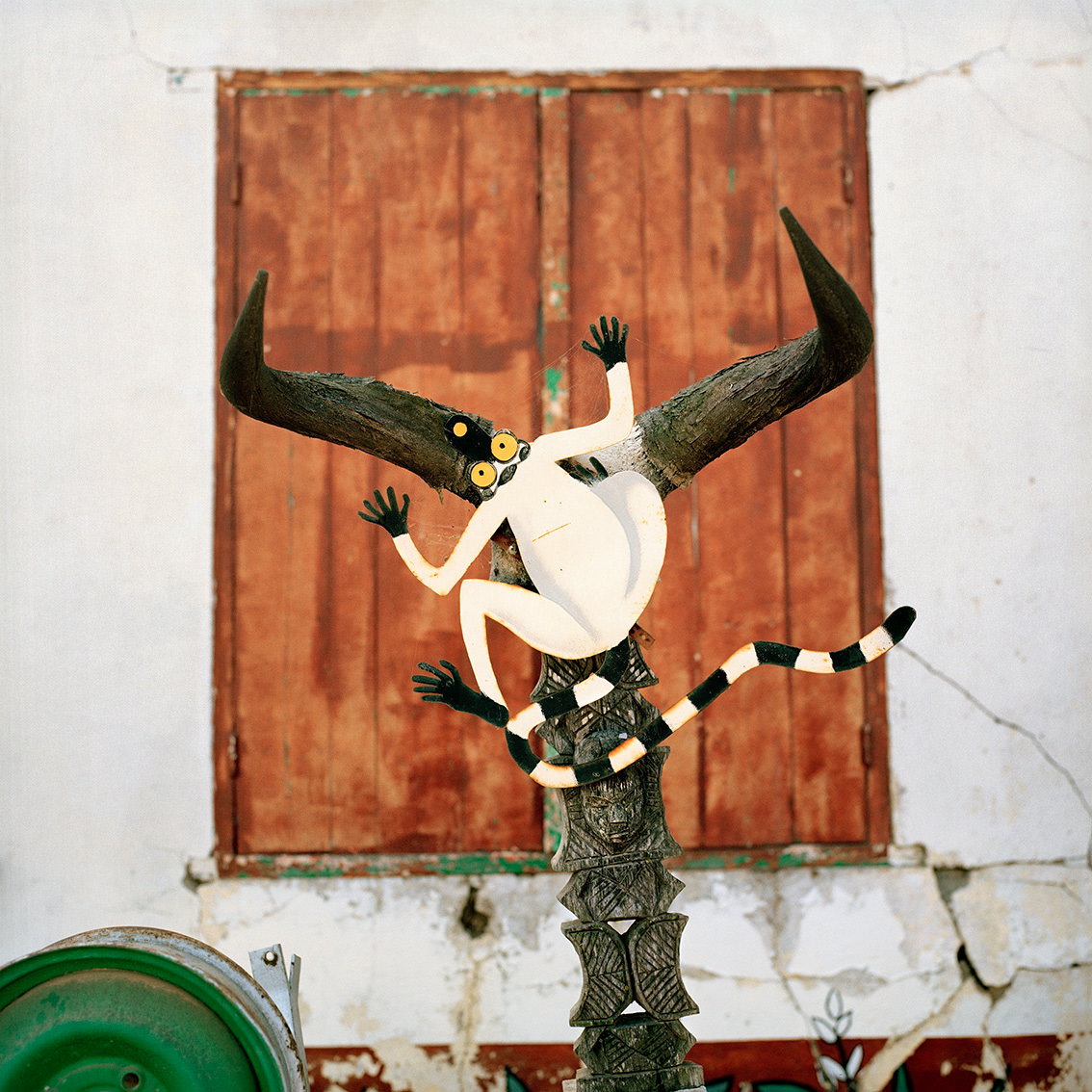
Funeral post woodcarving. Ranohira, District of Ihosy, Ihorombe, Madagascar, 2013
Image size: 60 x 60 cm
Paper size: 74 x 74 cm
Edition of 8 + 2 AP
Image size: 100 x 100 cm
Paper size: 112 x 112 cm
Edition of 8 + 2 AP
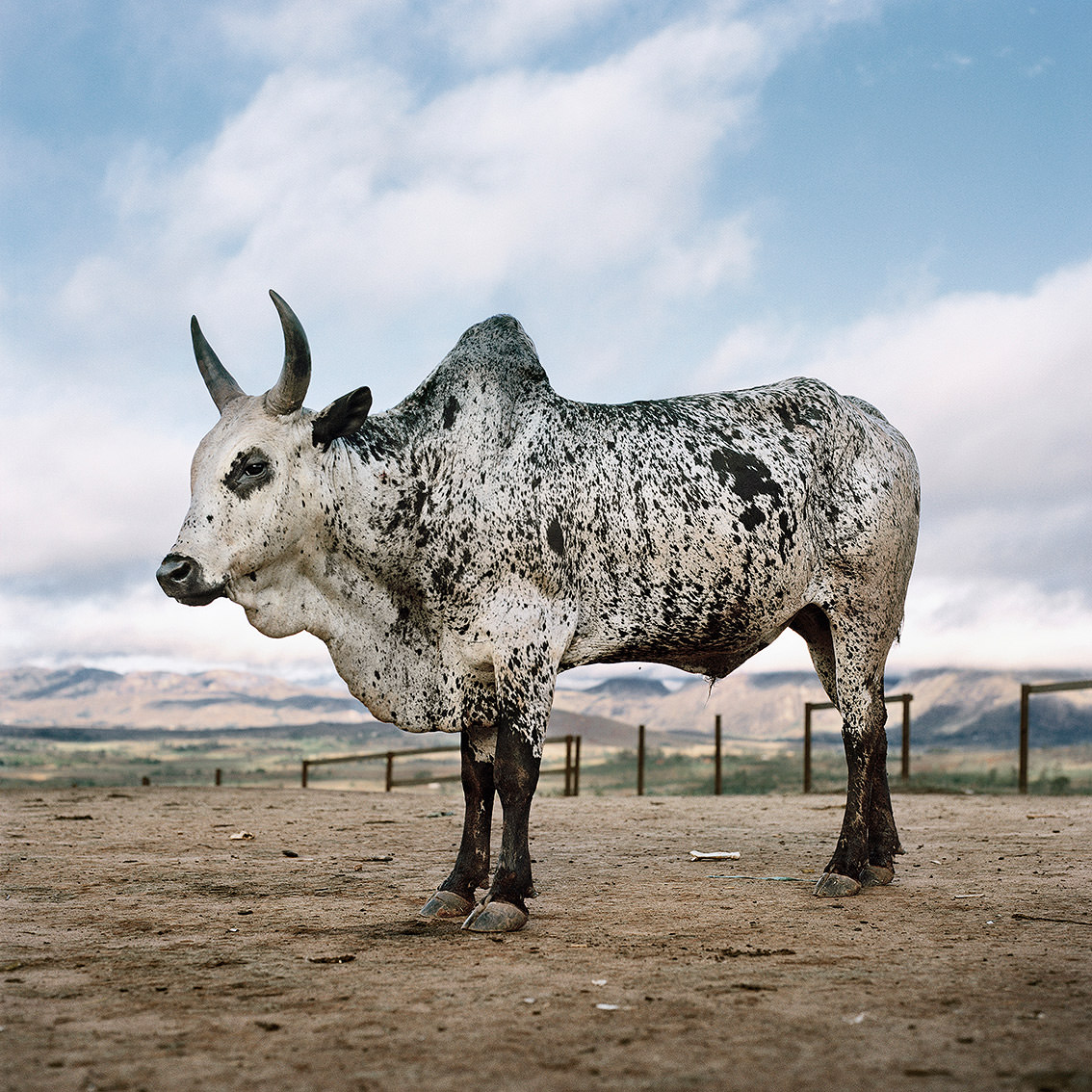
Zebu 2. Cattle market, Ambalavao, Haute Matsiatra, Madagascar, 2013
Image size: 60 x 60 cm
Paper size: 74 x 74 cm
Edition of 8 + 2 AP
Image size: 100 x 100 cm
Paper size: 112 x 112 cm
Edition of 8 + 2 AP
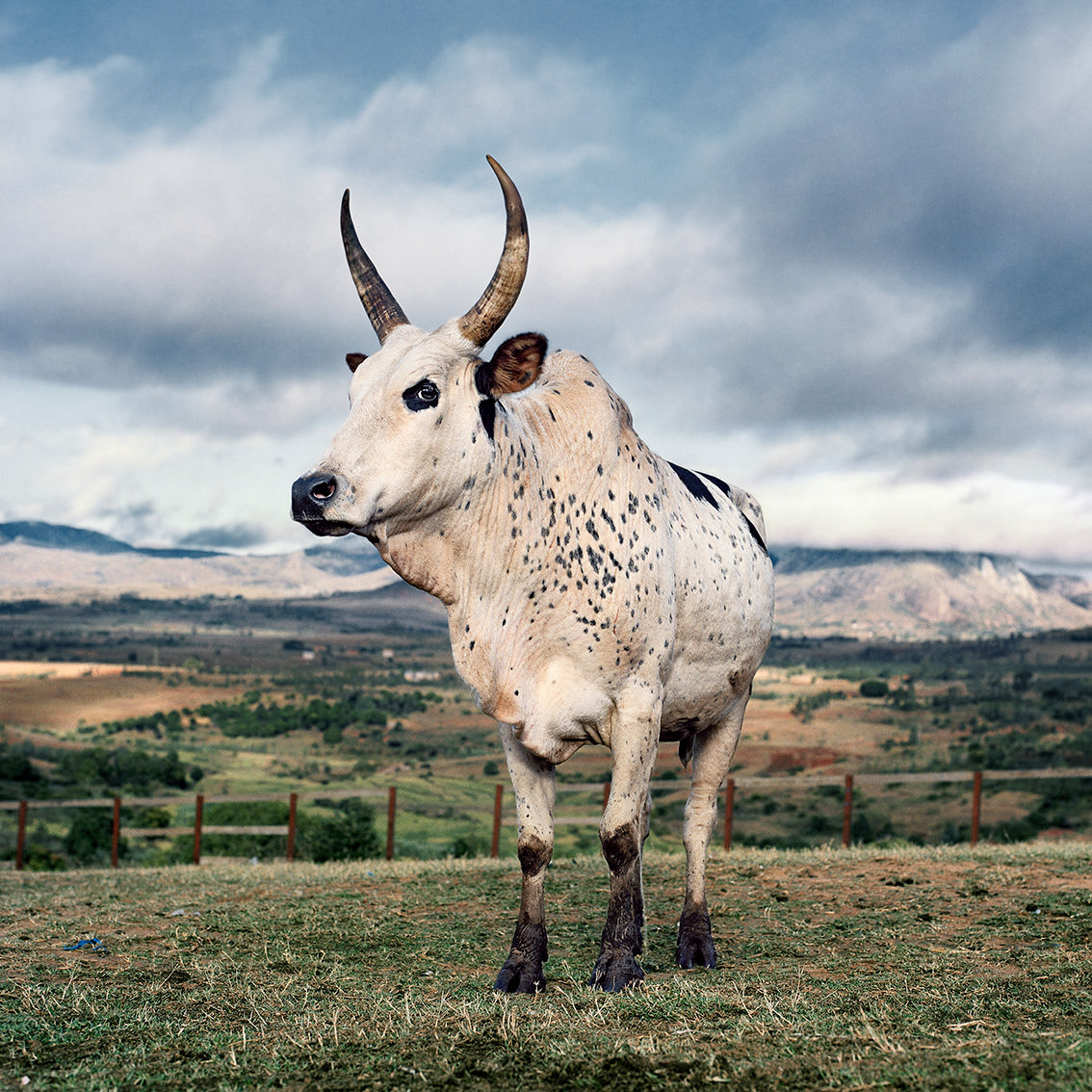
Zebu 1. Cattle market, Ambalavao, Haute Matsiatra, Madagascar, 2013
Image size: 60 x 60 cm
Paper size: 74 x 74 cm
Edition of 8 + 2 AP
Image size: 100 x 100 cm
Paper size: 112 x 112 cm
Edition of 8 + 2 AP
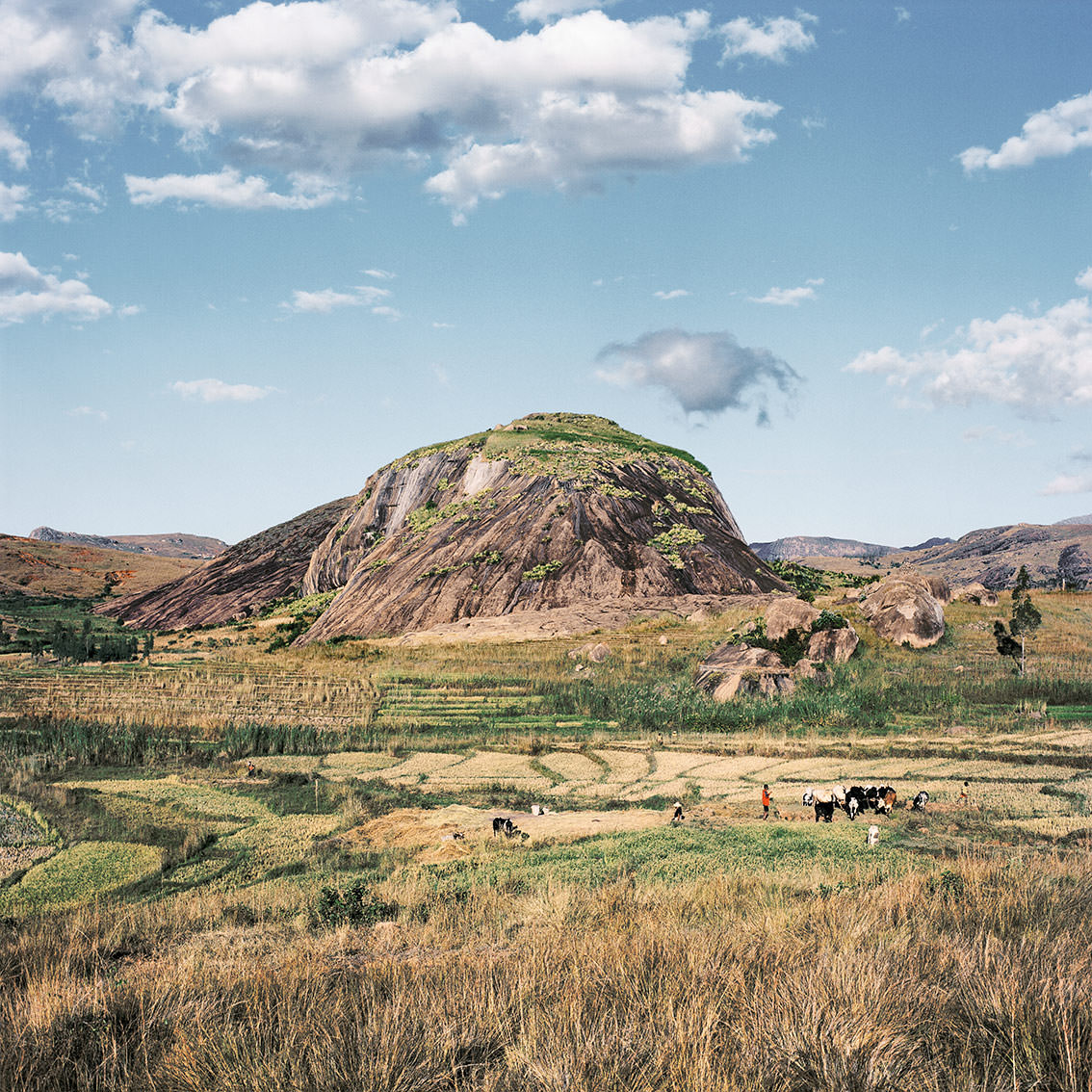
Untitled 2. District of Ihosy, Ihorombe, Madagascar, 2013
Image size: 60 x 60 cm
Paper size: 74 x 74 cm
Edition of 8 + 2 AP
Image size: 100 x 100 cm
Paper size: 112 x 112 cm
Edition of 8 + 2 AP
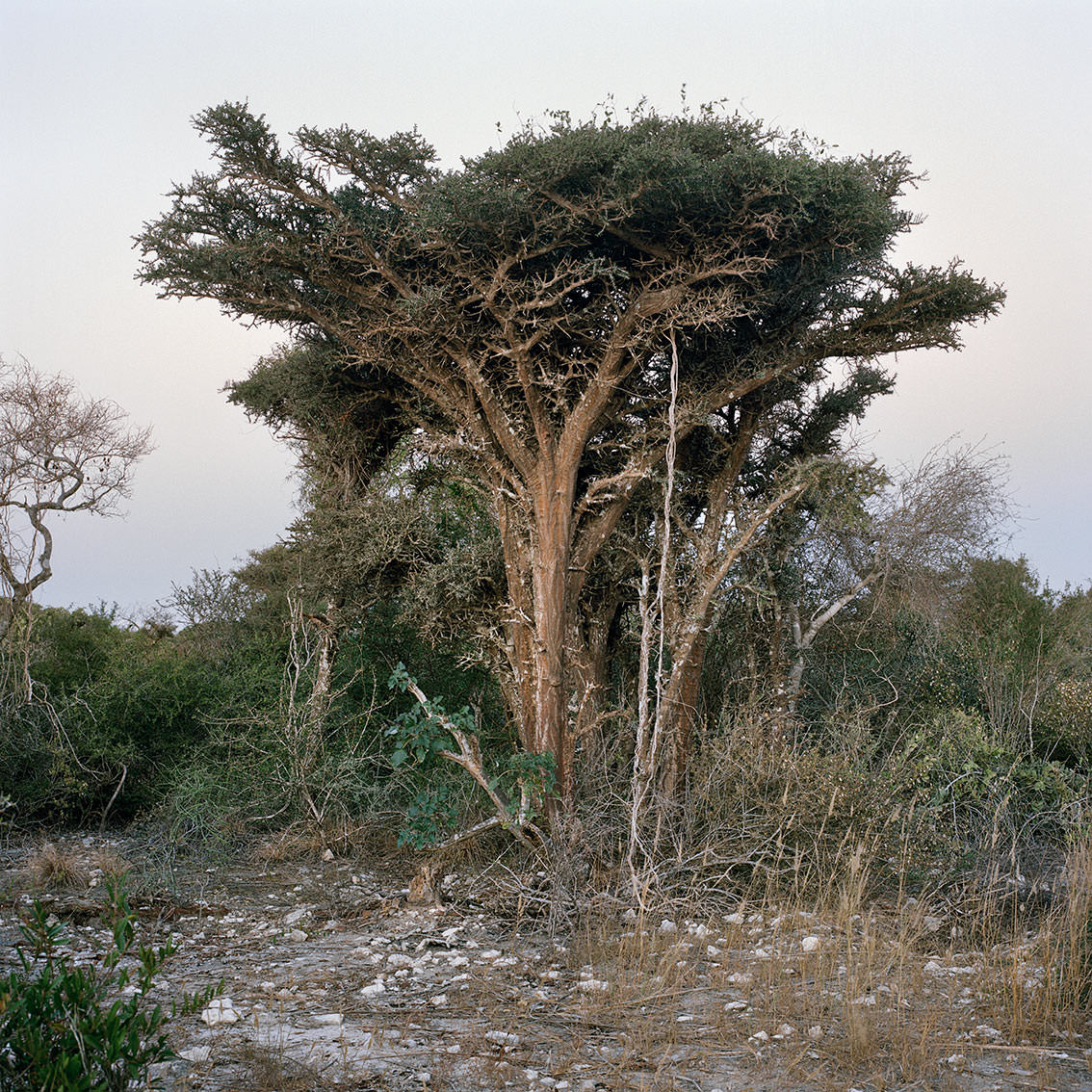
Untitled 4. Outside Toliar, Madagascar, 2013
Image size: 60 x 60 cm
Paper size: 74 x 74 cm
Edition of 8 + 2 AP
Image size: 100 x 100 cm
Paper size: 112 x 112 cm
Edition of 8 + 2 AP
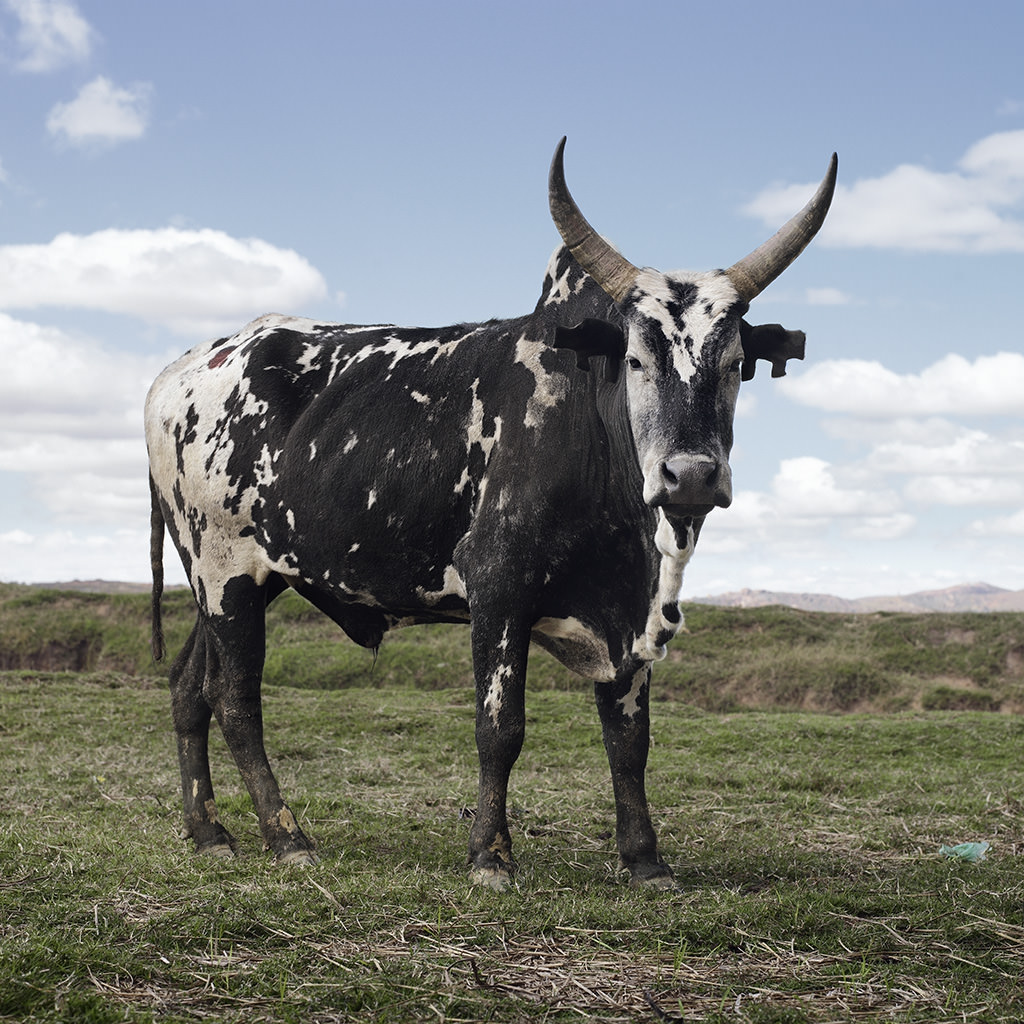
Zebu 12. Antananarivo Analamanga, Madagascar, 2013
Image size: 60 x 60 cm
Paper size: 74 x 74 cm
Edition of 8 + 2 AP
Image size: 100 x 100 cm
Paper size: 112 x 112 cm
Edition of 8 + 2 AP
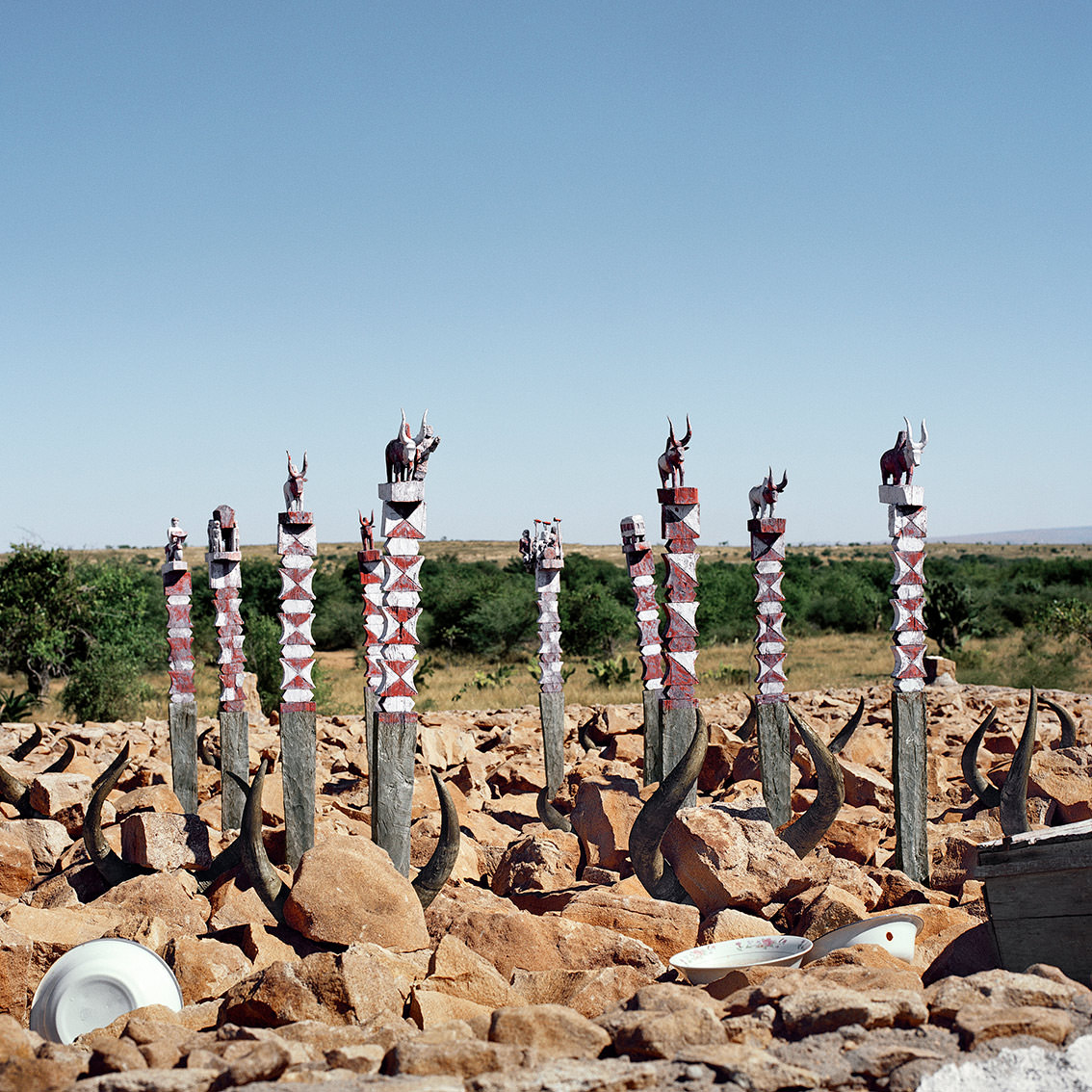
Mahafaly tomb. Sakaraha, Atsimo-Andrefana, Madagascar, 2013
Image size: 60 x 60 cm
Paper size: 74 x 74 cm
Edition of 8 + 2 AP
Image size: 100 x 100 cm
Paper size: 112 x 112 cm
Edition of 8 + 2 AP
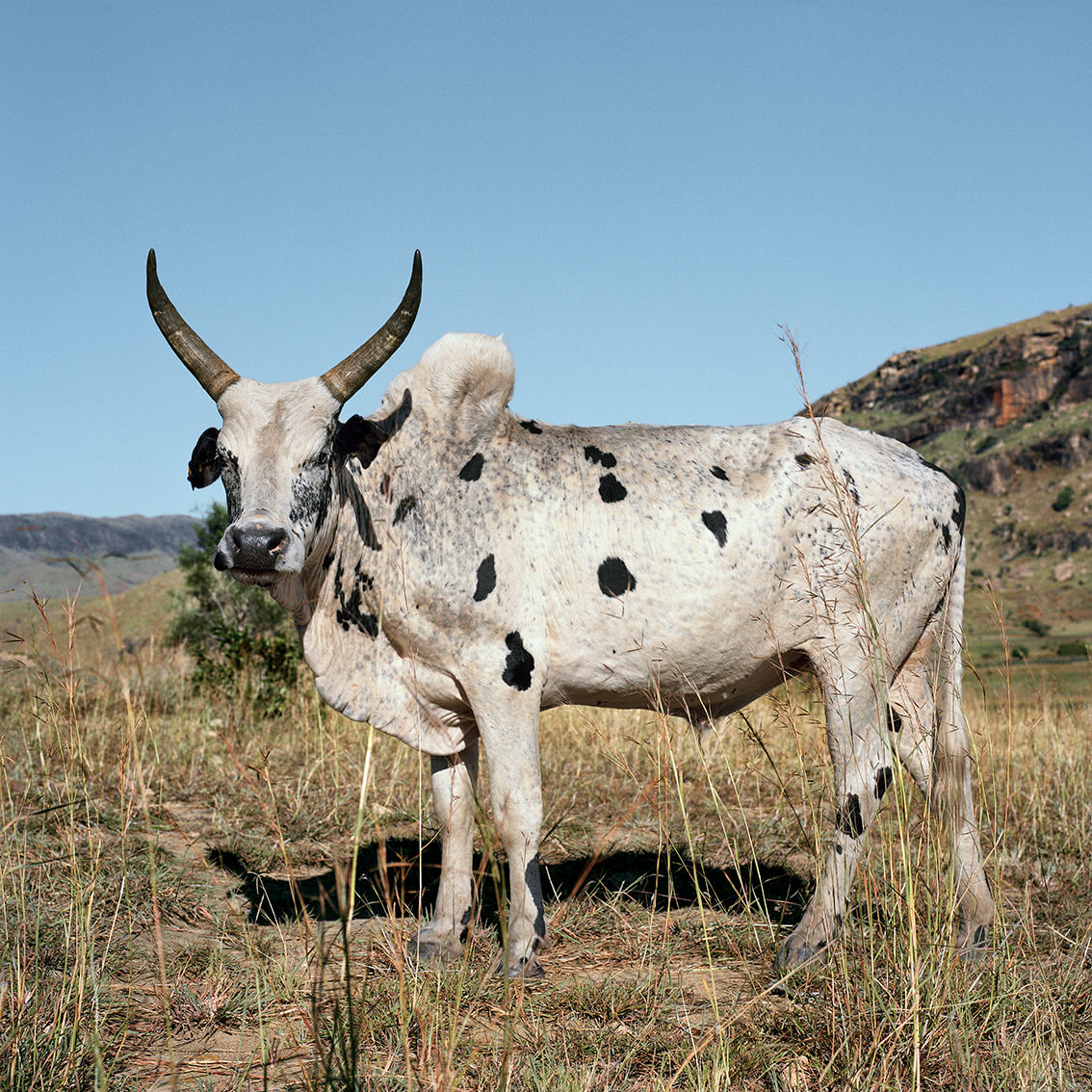
Zebu 4. Outside Ambohimahasoa, Haute Matsiatra, Madagascar, 2013
Image size: 60 x 60 cm
Paper size: 74 x 74 cm
Edition of 8 + 2 AP
Image size: 100 x 100 cm
Paper size: 112 x 112 cm
Edition of 8 + 2 AP
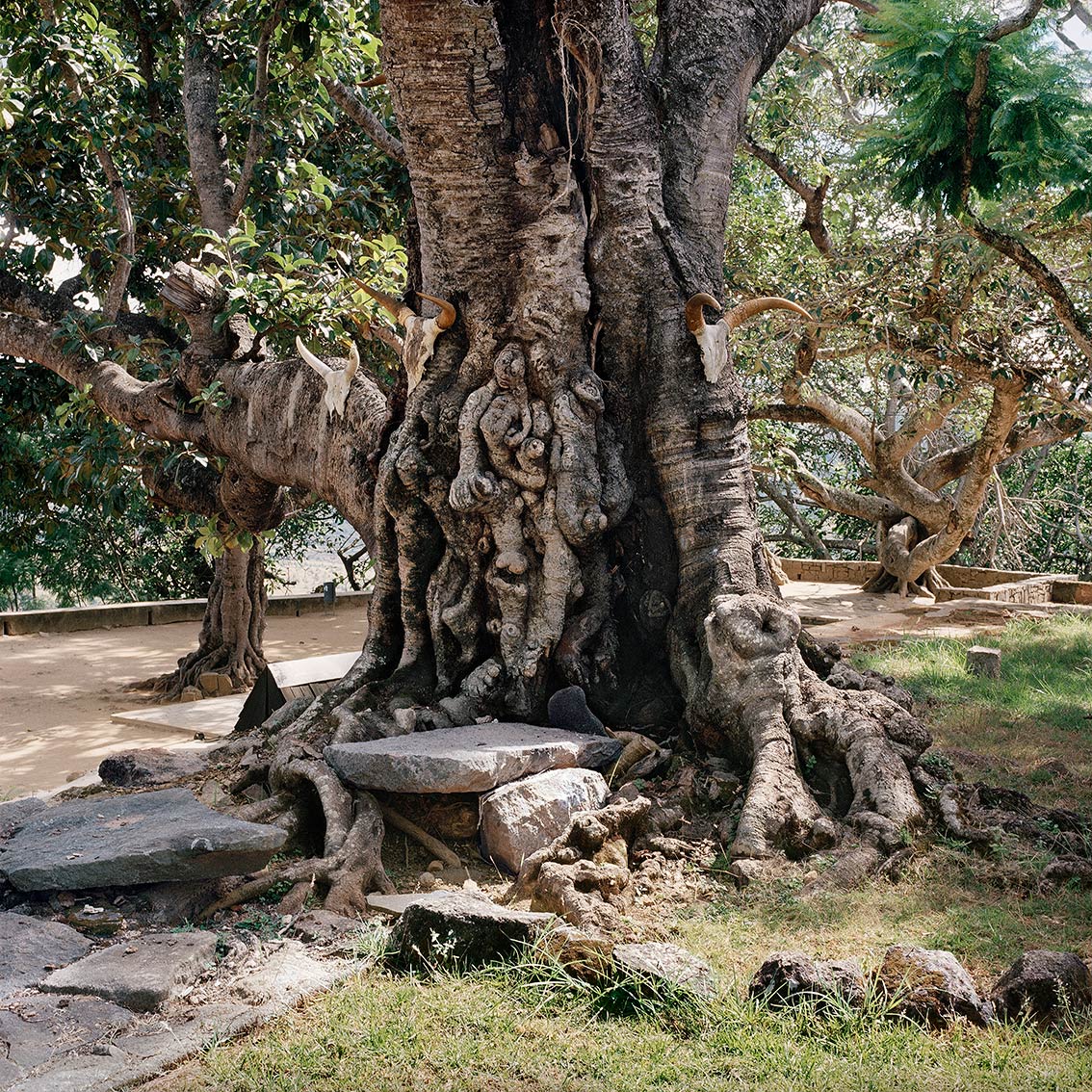
Sacrificial tree. Royal hill of Ambohimanga, Antananarivo, Analamanga, Madagascar, 2013
Image size: 60 x 60 cm
Paper size: 74 x 74 cm
Edition of 8 + 2 AP
Image size: 100 x 100 cm
Paper size: 112 x 112 cm
Edition of 8 + 2 AP
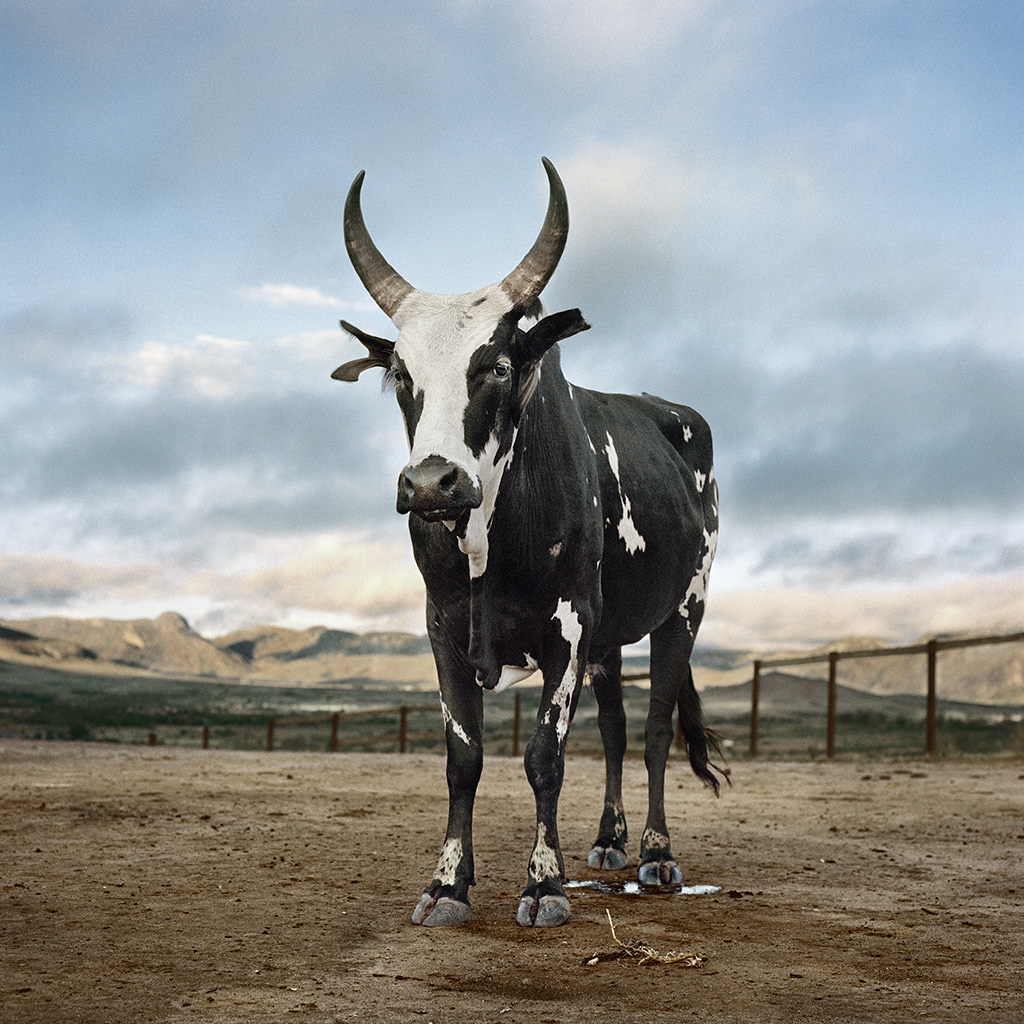
Zebu 6. Cattle market, Ambalavao, Haute Matsiatra, Madagascar, 2013
Image size: 60 x 60 cm
Paper size: 74 x 74 cm
Edition of 8 + 2 AP
Image size: 100 x 100 cm
Paper size: 112 x 112 cm
Edition of 8 + 2 AP
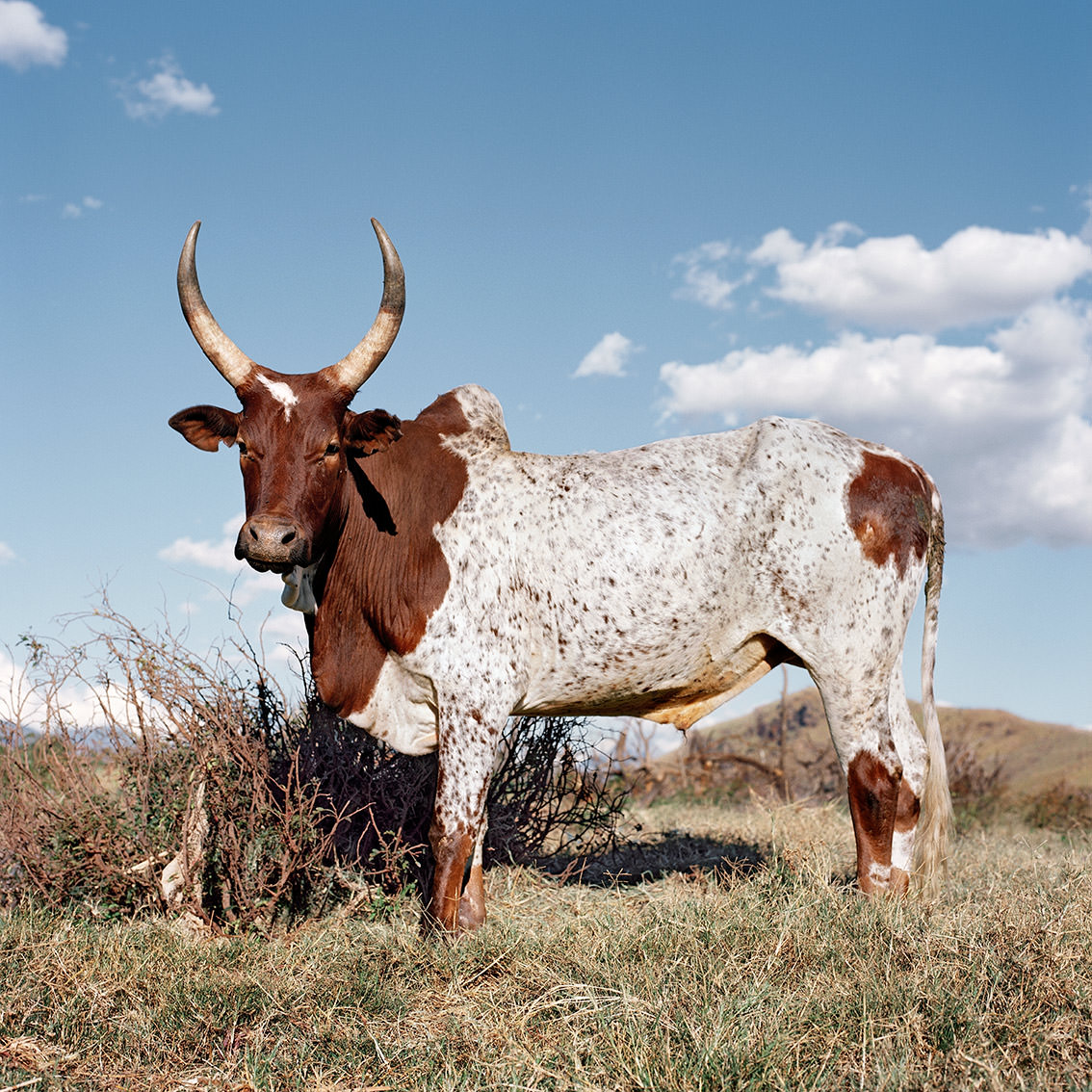
Zebu 8. Ihosy district, Ihorombe, Madagascar, 2013
Image size: 60 x 60 cm
Paper size: 74 x 74 cm
Edition of 8 + 2 AP
Image size: 100 x 100 cm
Paper size: 112 x 112 cm
Edition of 8 + 2 AP

Zebu 5. Between Fianarantsoa and Ambalavao, Haute Matsiatra, Madagascar, 2013
Image size: 60 x 60 cm
Paper size: 74 x 74 cm
Edition of 8 + 2 AP
Image size: 100 x 100 cm
Paper size: 112 x 112 cm
Edition of 8 + 2 AP
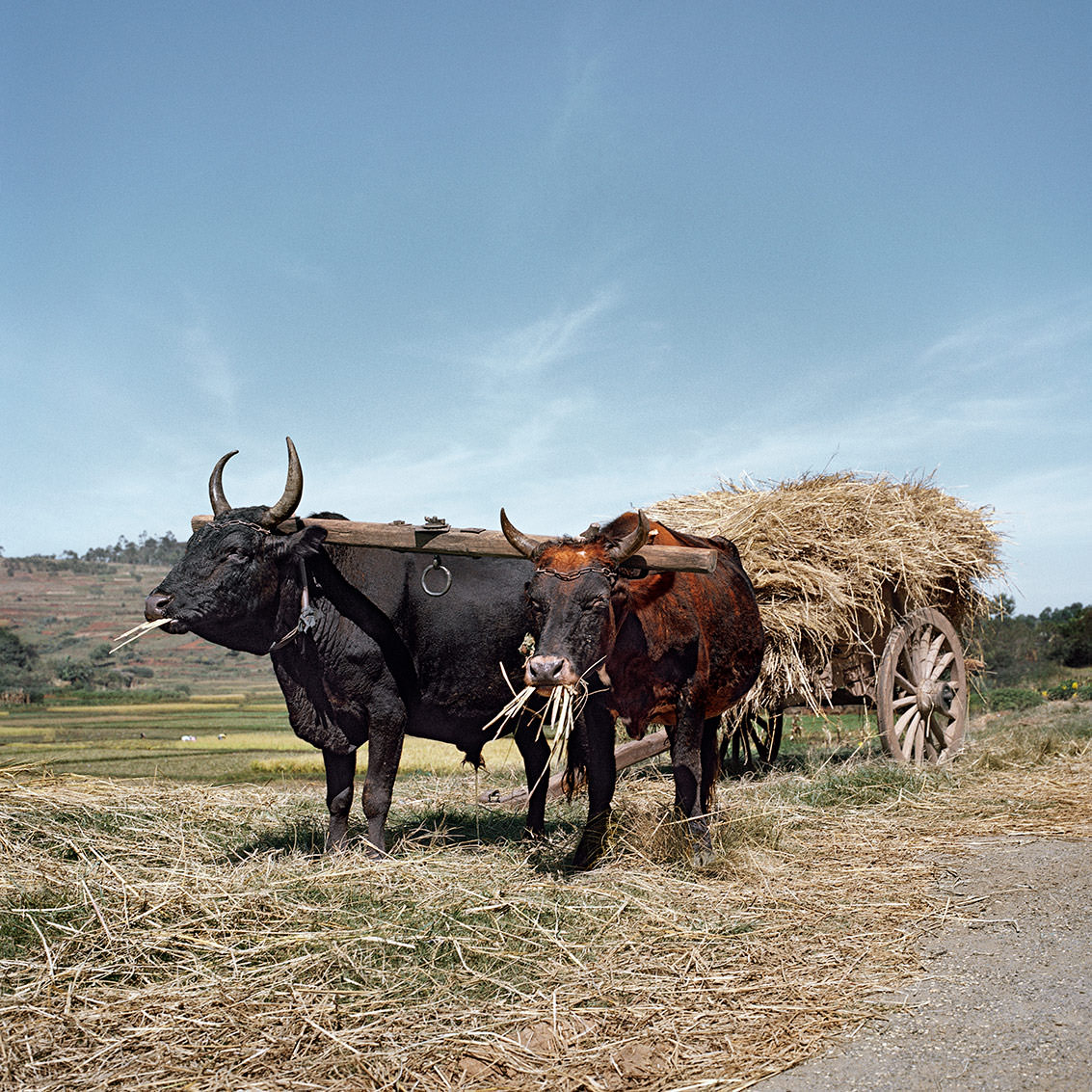
Zebu straw cart. Tana, Madagascar 2013
Image size: 60 x 60 cm
Paper size: 74 x 74 cm
Edition of 8 + 2 AP
Image size: 100 x 100 cm
Paper size: 112 x 112 cm
Edition of 8 + 2 AP
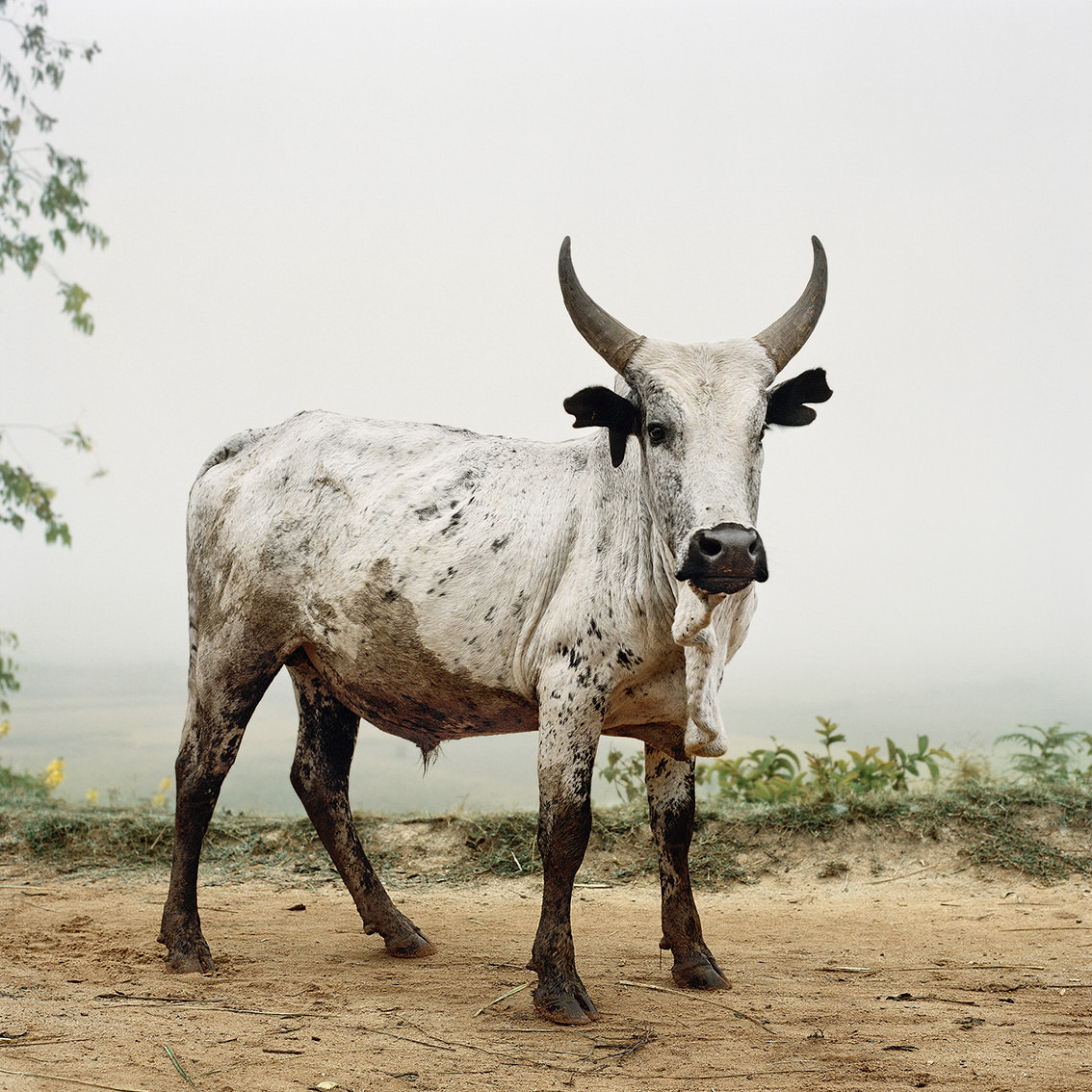
Zebu 14. Outside Antsirabe, Vakinankaratra, Madagascar, 2013
Image size: 60 x 60 cm
Paper size: 74 x 74 cm
Edition of 8 + 2 AP
Image size: 100 x 100 cm
Paper size: 112 x 112 cm
Edition of 8 + 2 AP
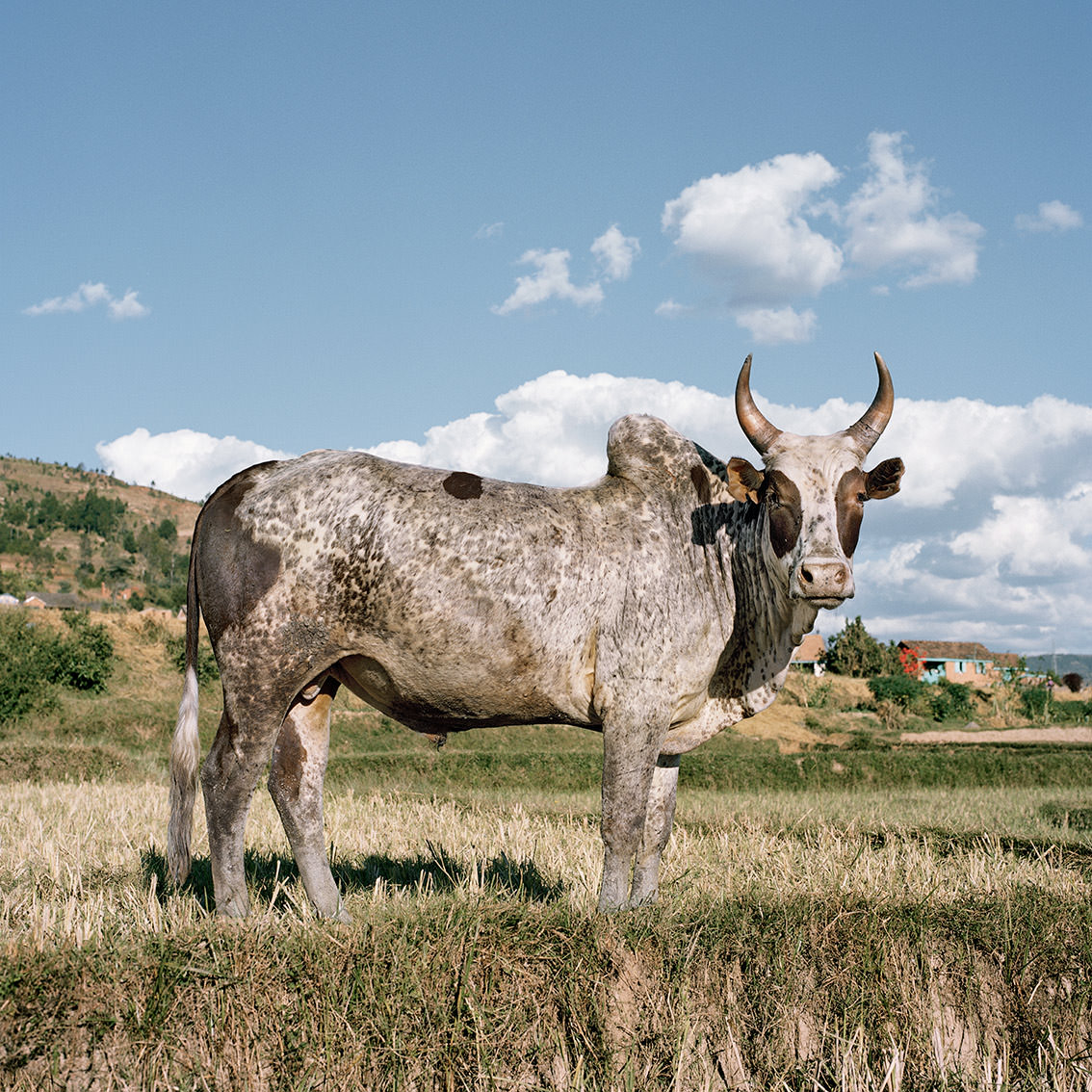
Zebu 10. Ambositra district, Amoron’i Mania, Madagascar, 2013
Image size: 60 x 60 cm
Paper size: 74 x 74 cm
Edition of 8 + 2 AP
Image size: 100 x 100 cm
Paper size: 112 x 112 cm
Edition of 8 + 2 AP
India
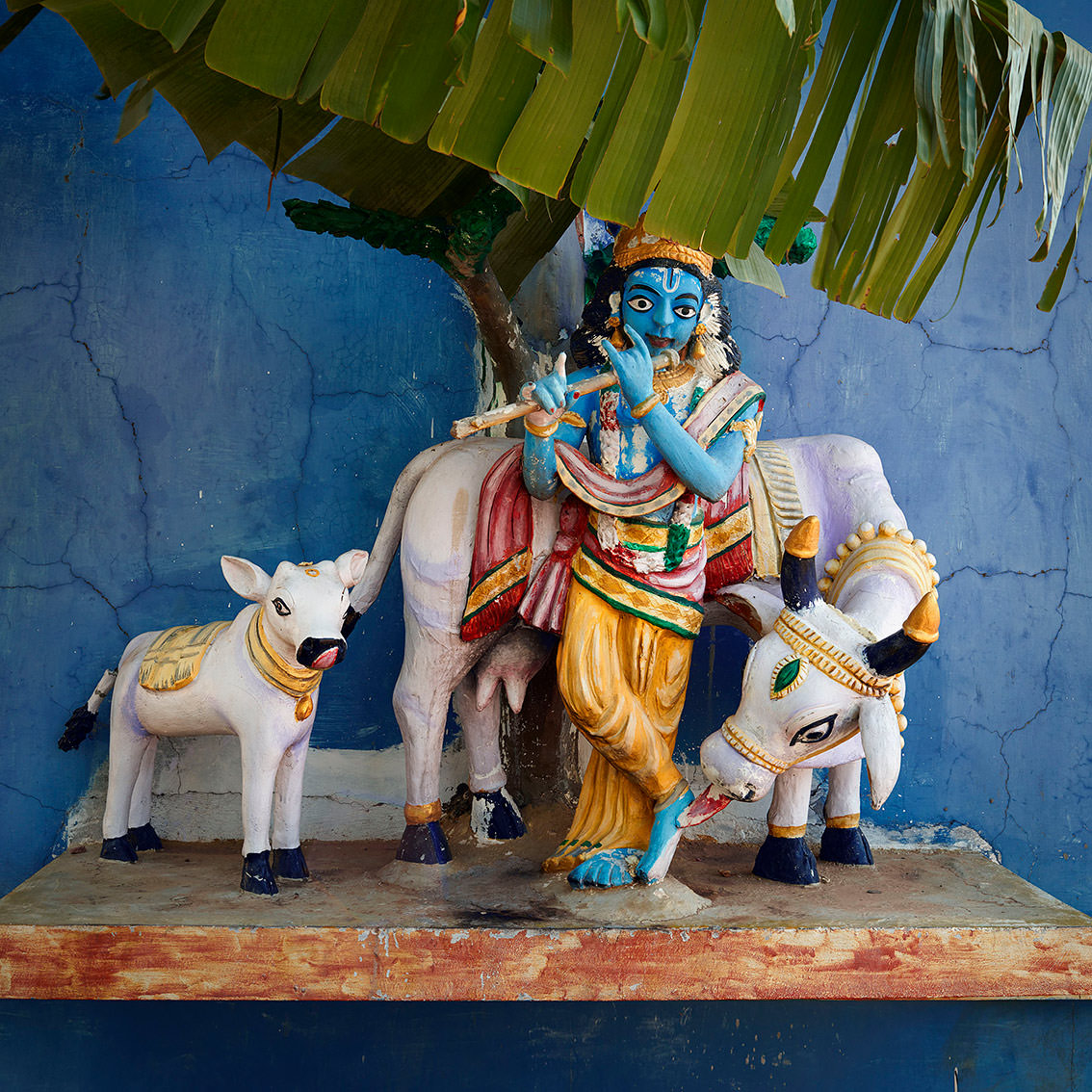
Krishna playing the flute with Nandi. Kolundampattu,Tamil Nadu, India, 2014
Image size: 60 x 60 cm
Paper size: 74 x 74 cm
Edition of 8 + 2 AP
Image size: 100 x 100 cm
Paper size: 112 x 112 cm
Edition of 8 + 2 AP
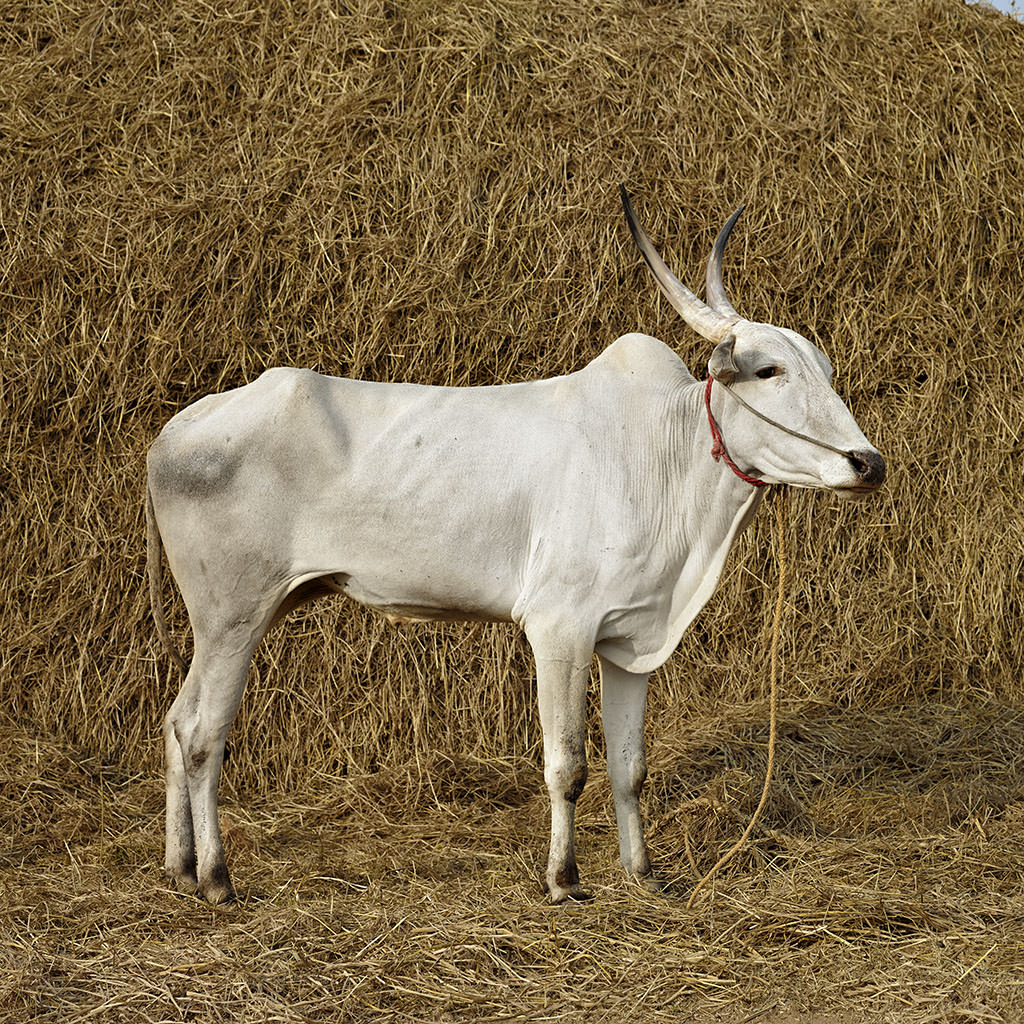
Mattu Pongal 2. Anaipiranthan district, Tamil Nadu, India, 2014
Image size: 60 x 60 cm
Paper size: 74 x 74 cm
Edition of 8 + 2 AP
Image size: 100 x 100 cm
Paper size: 112 x 112 cm
Edition of 8 + 2 AP
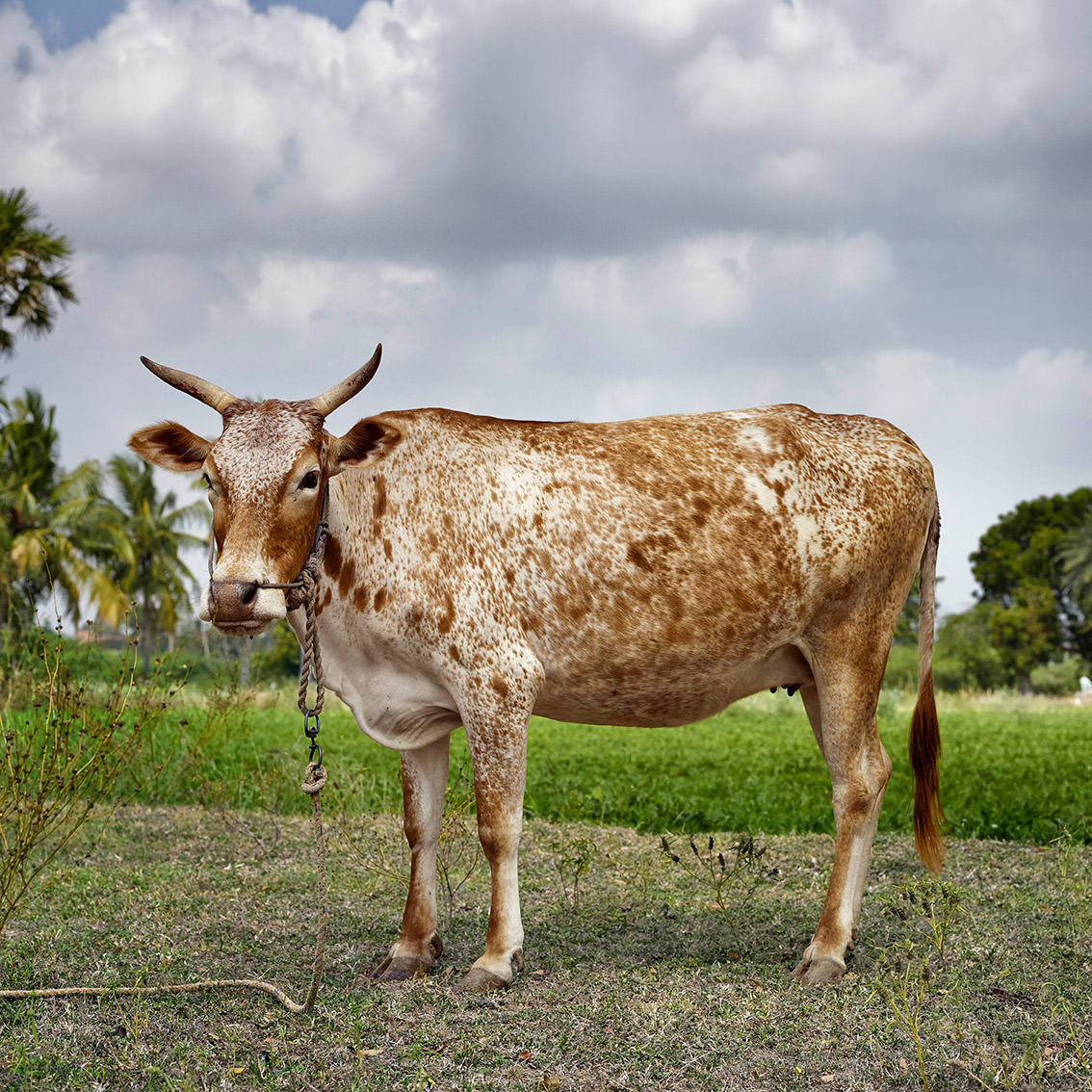
Mattu Pongal 4. Nedungavadi district, Tamil Nadu, India, 2014
Image size: 60 x 60 cm
Paper size: 74 x 74 cm
Edition of 8 + 2 AP
Image size: 100 x 100 cm
Paper size: 112 x 112 cm
Edition of 8 + 2 AP
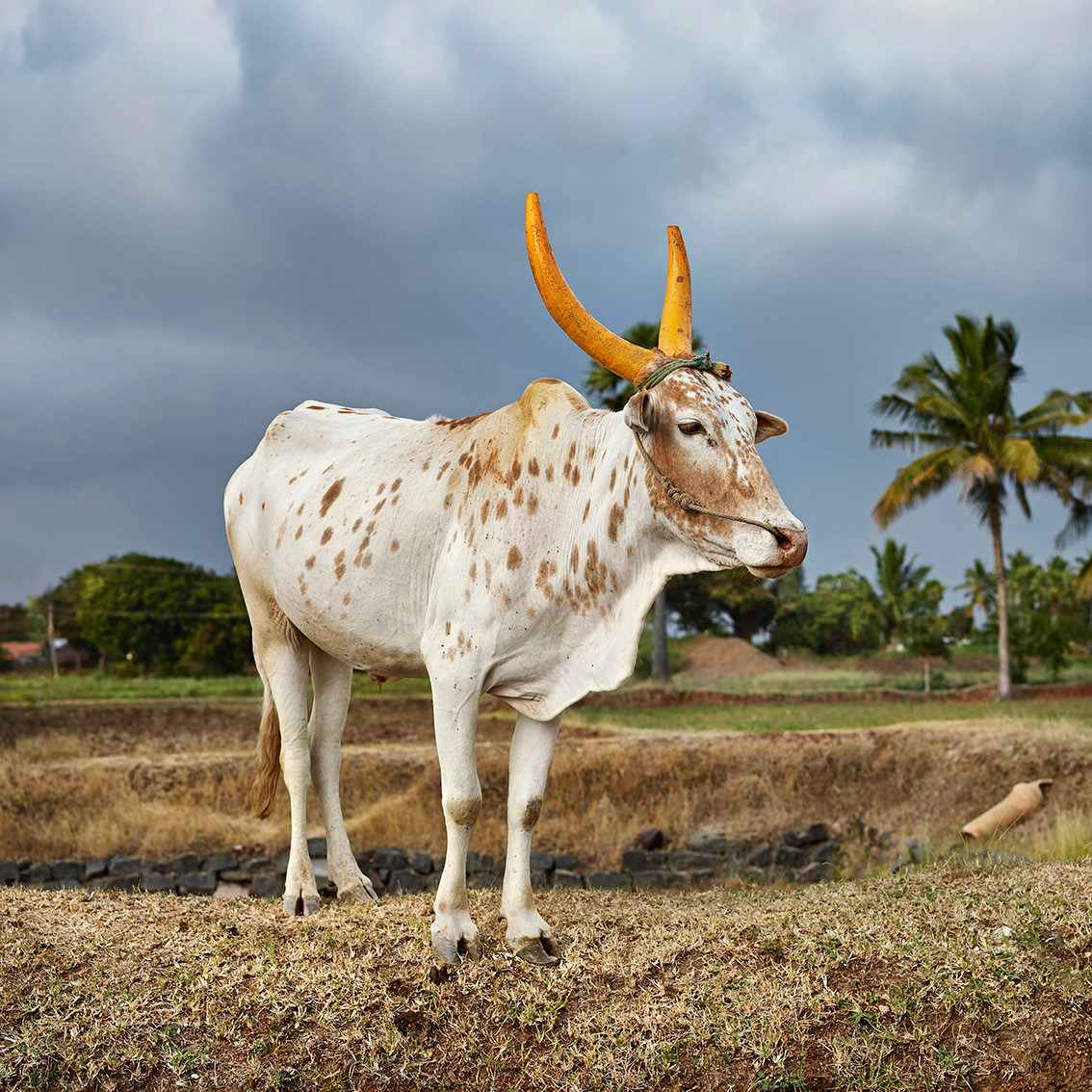
Mattu Pongal 8. Kanakkandal district, Tamil Nadu, India, 2014
Image size: 60 x 60 cm
Paper size: 74 x 74 cm
Edition of 8 + 2 AP
Image size: 100 x 100 cm
Paper size: 112 x 112 cm
Edition of 8 + 2 AP
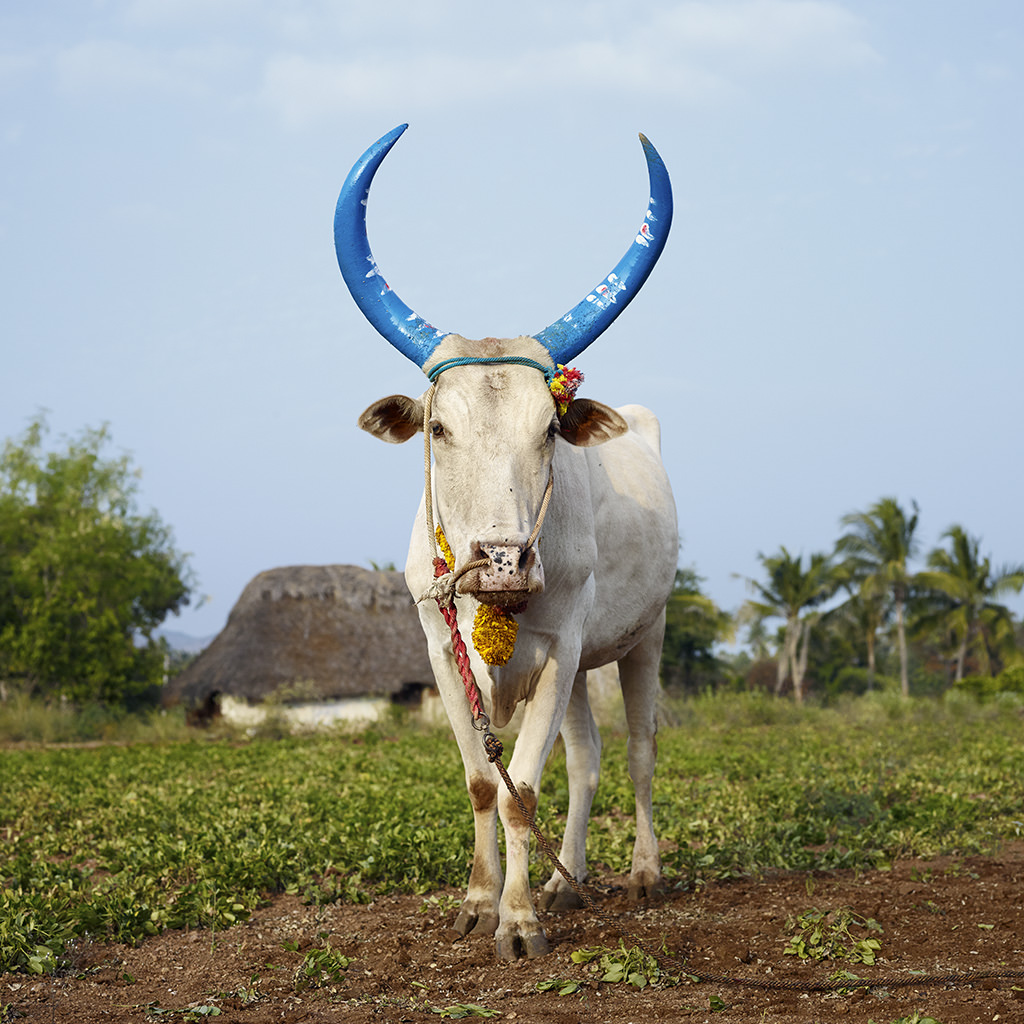
Mattu Pongal 5. Beemanandal district, Tamil Nadu, India, 2014
Image size: 60 x 60 cm
Paper size: 74 x 74 cm
Edition of 8 + 2 AP
Image size: 100 x 100 cm
Paper size: 112 x 112 cm
Edition of 8 + 2 AP
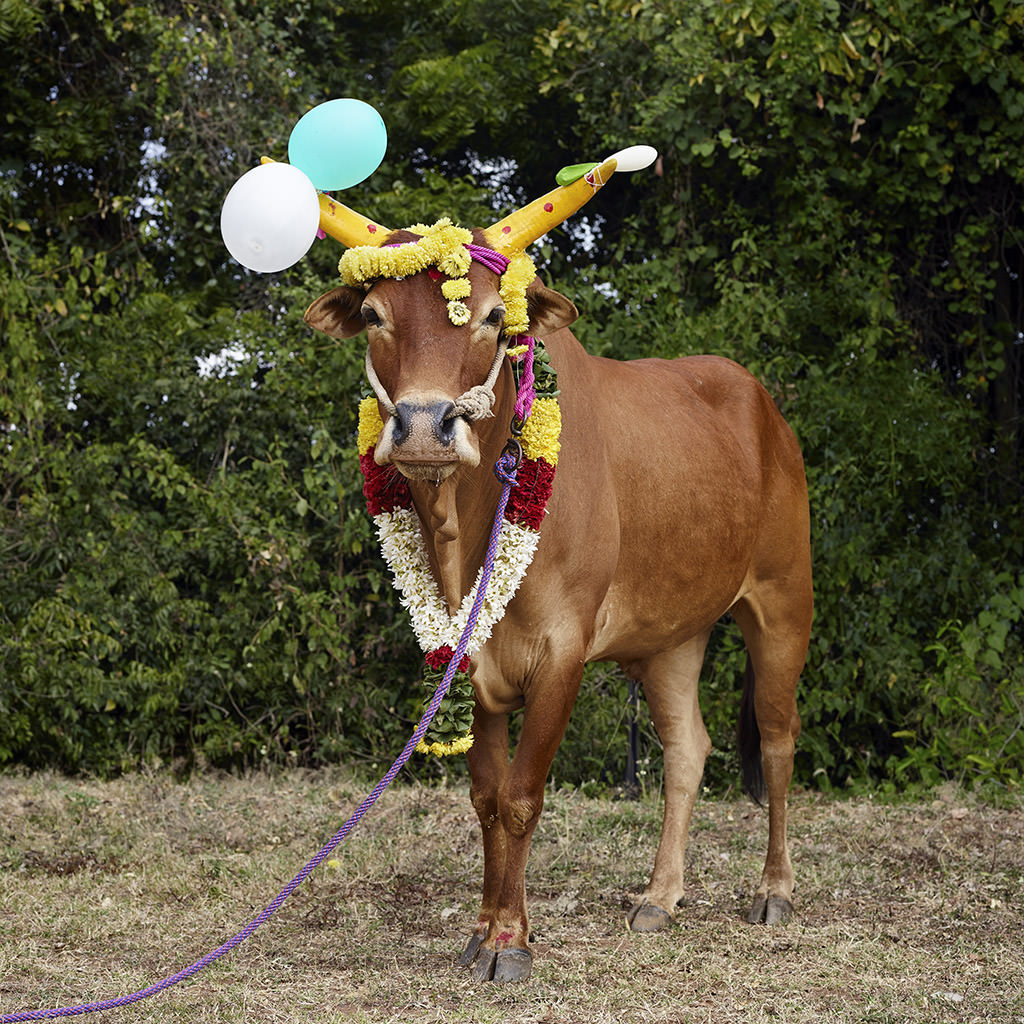
Mattu Pongal 7. Kananthampoondi, Tamil Nadu, India, 2014
Image size: 60 x 60 cm
Paper size: 74 x 74 cm
Edition of 8 + 2 AP
Image size: 100 x 100 cm
Paper size: 112 x 112 cm
Edition of 8 + 2 AP
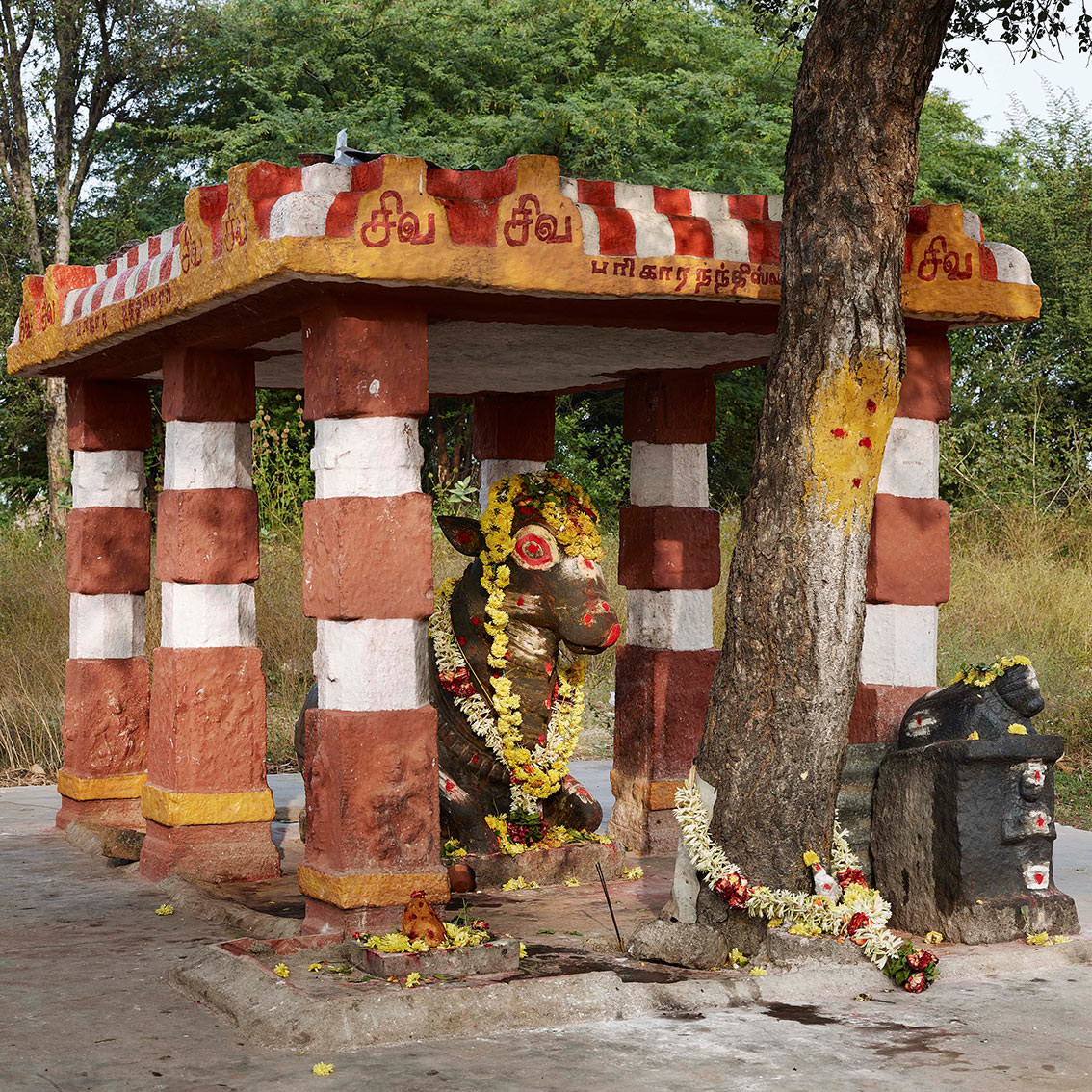
Decorated Nandi during Pongal. Girivalam Road, Tiruvannamalai, Tamil Nadu, India, 2014
Image size: 60 x 60 cm
Paper size: 74 x 74 cm
Edition of 8 + 2 AP
Image size: 100 x 100 cm
Paper size: 112 x 112 cm
Edition of 8 + 2 AP

Mattu Pongal 6. Kannakurkkai district, Tamil Nadu, India, 2014
Image size: 60 x 60 cm
Paper size: 74 x 74 cm
Edition of 8 + 2 AP
Image size: 100 x 100 cm
Paper size: 112 x 112 cm
Edition of 8 + 2 AP
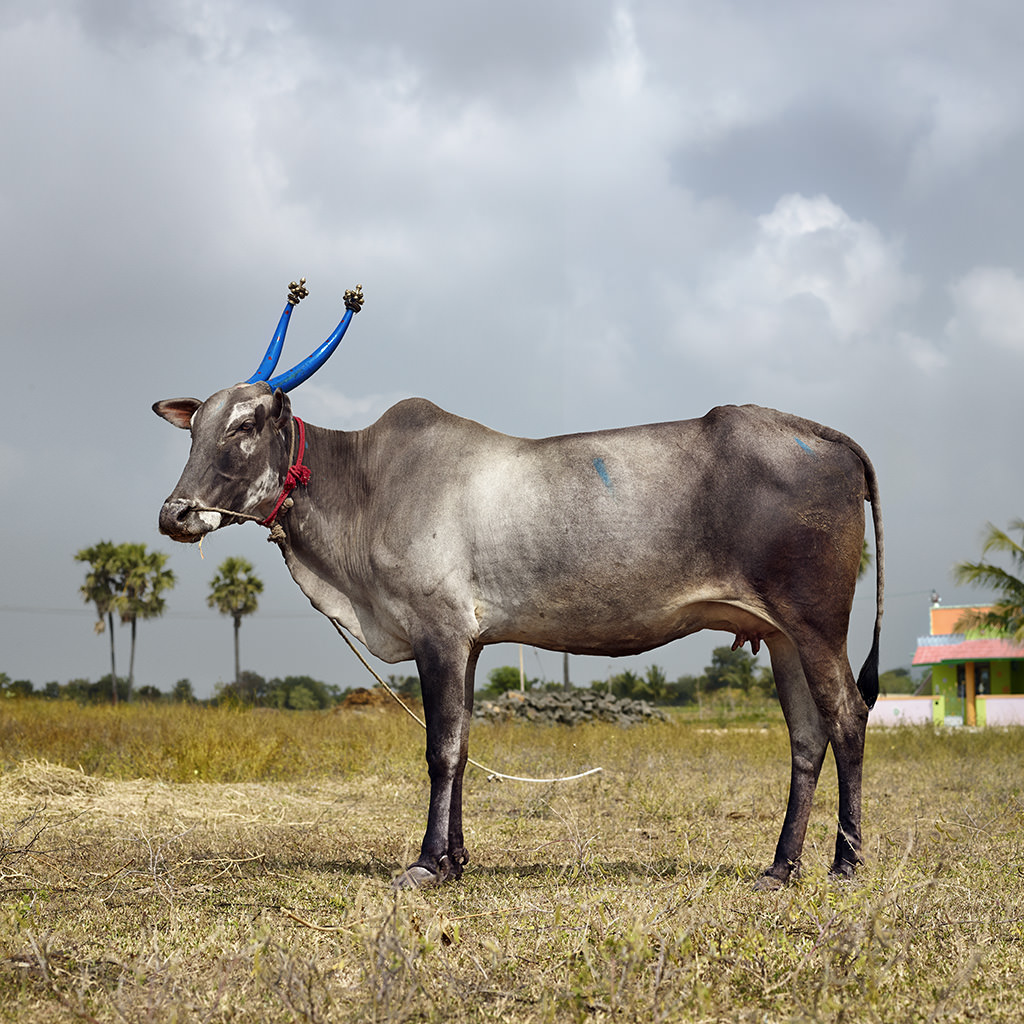
Mattu Pongal 10. Nedungavadi, Thandrampet, Tamil Nadu, India, 2014
Image size: 60 x 60 cm
Paper size: 74 x 74 cm
Edition of 8 + 2 AP
Image size: 100 x 100 cm
Paper size: 112 x 112 cm
Edition of 8 + 2 AP

Mattu Pongal 9. Che Agaram, Tamil Nadu, India, 2014
Image size: 60 x 60 cm
Paper size: 74 x 74 cm
Edition of 8 + 2 AP
Image size: 100 x 100 cm
Paper size: 112 x 112 cm
Edition of 8 + 2 AP
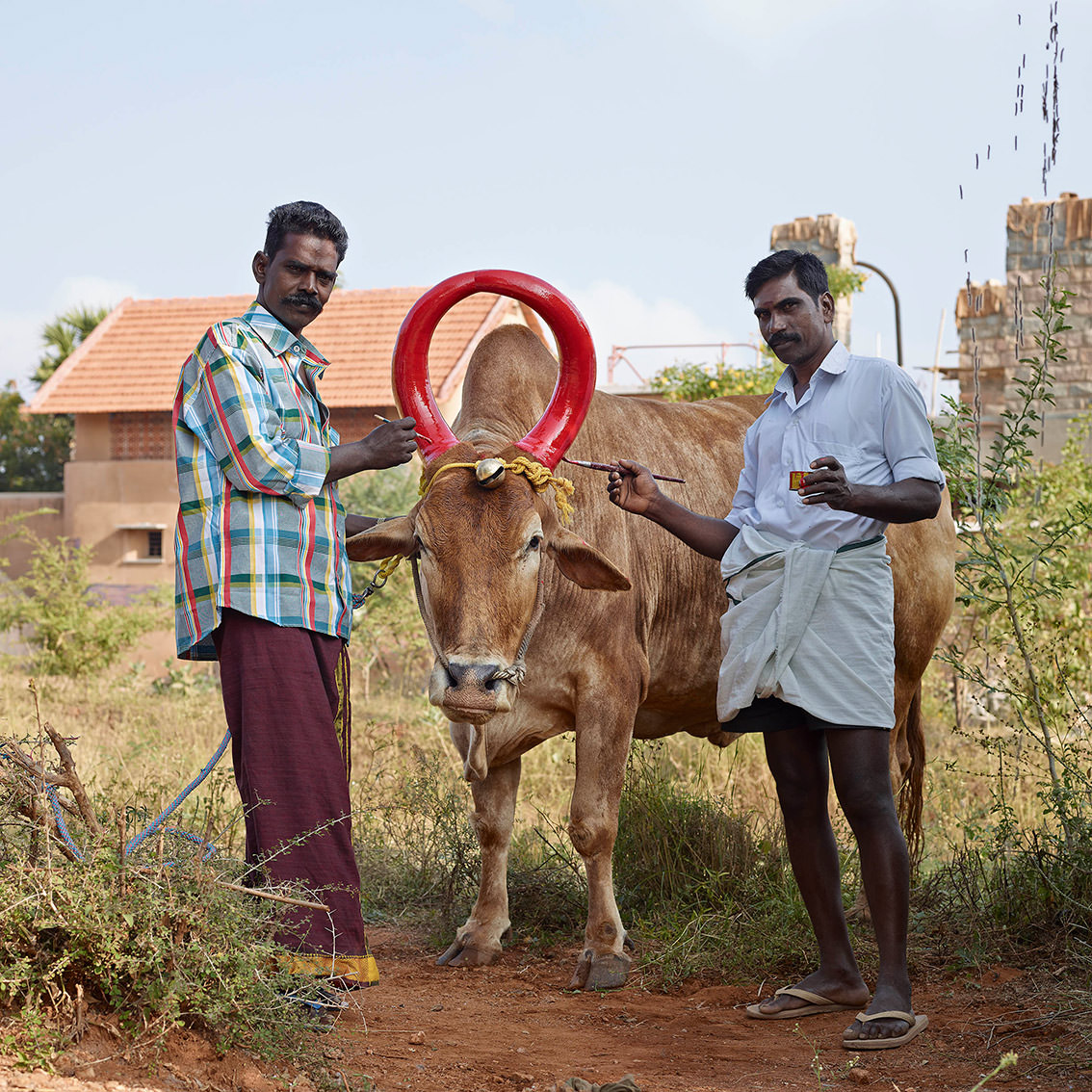
Mattu Pongal 26. Kananthampoondi, Tamil Nadu, India, 2014
Image size: 60 x 60 cm
Paper size: 74 x 74 cm
Edition of 8 + 2 AP
Image size: 100 x 100 cm
Paper size: 112 x 112 cm
Edition of 8 + 2 AP
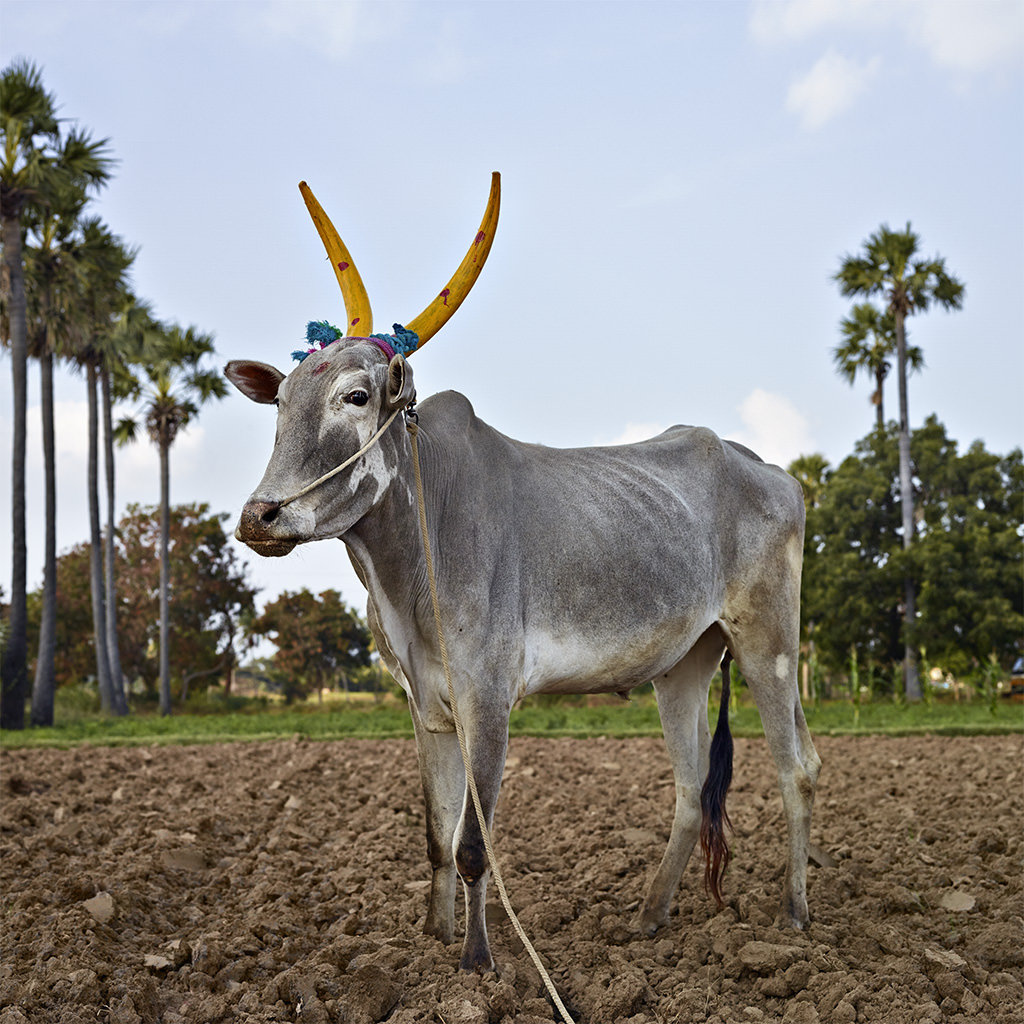
Mattu Pongal 11. Vinnavanur district, Tamil Nadu, India, 2014
Image size: 60 x 60 cm
Paper size: 74 x 74 cm
Edition of 8 + 2 AP
Image size: 100 x 100 cm
Paper size: 112 x 112 cm
Edition of 8 + 2 AP
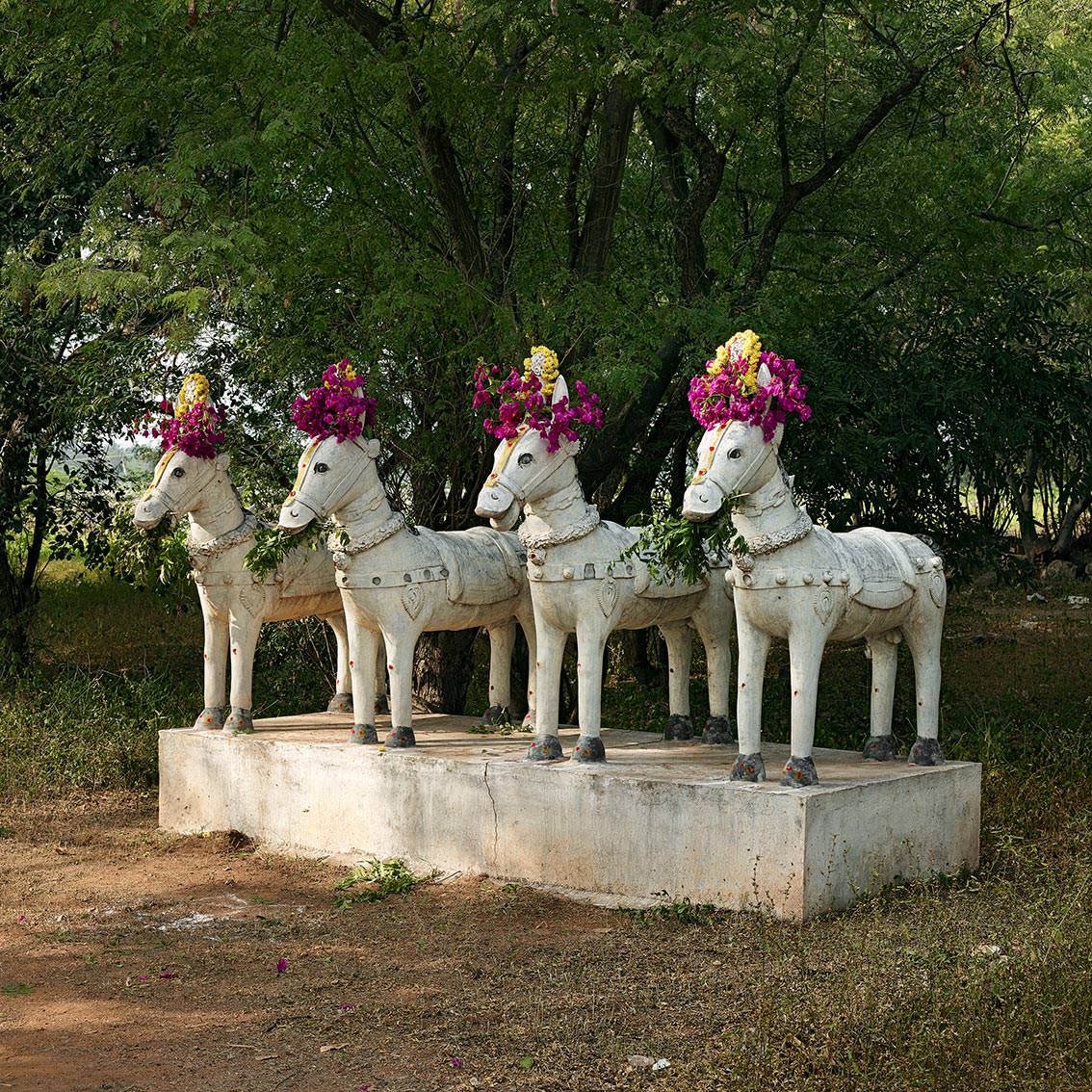
Donkey statues at a temple during Pongal, Athiyanthal district, Tamil Nadu, India, 2014
Image size: 60 x 60 cm
Paper size: 74 x 74 cm
Edition of 8 + 2 AP
Image size: 100 x 100 cm
Paper size: 112 x 112 cm
Edition of 8 + 2 AP
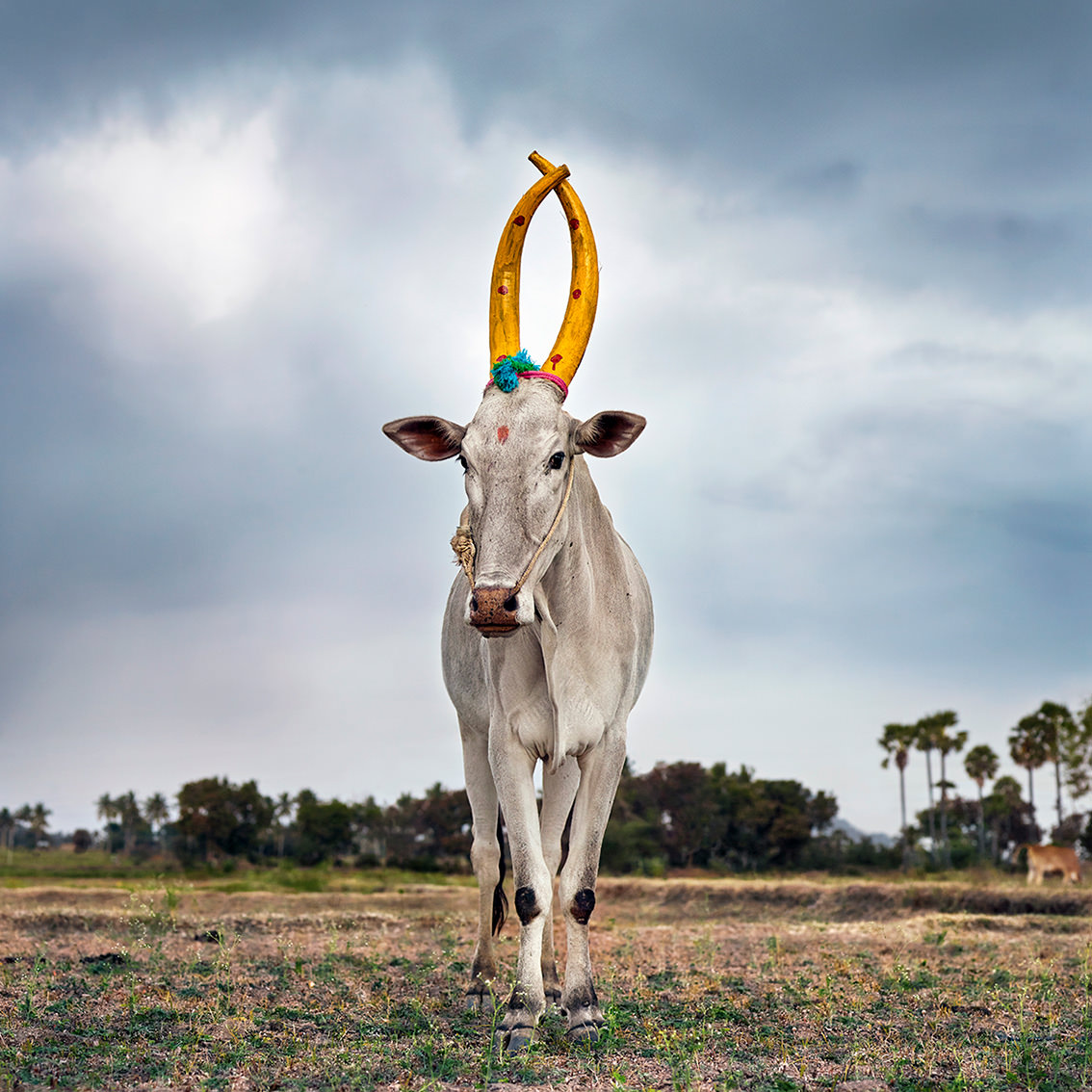
Mattu Pongal 28. Kanakkandal district, Tamil Nadu, India, 2014
Image size: 60 x 60 cm
Paper size: 74 x 74 cm
Edition of 8 + 2 AP
Image size: 100 x 100 cm
Paper size: 112 x 112 cm
Edition of 8 + 2 AP

Hanekan flower plantation. Kannakurkkai district, Tamil Nadu, India, 2014
Image size: 60 x 60 cm
Paper size: 74 x 74 cm
Edition of 8 + 2 AP
Image size: 100 x 100 cm
Paper size: 112 x 112 cm
Edition of 8 + 2 AP
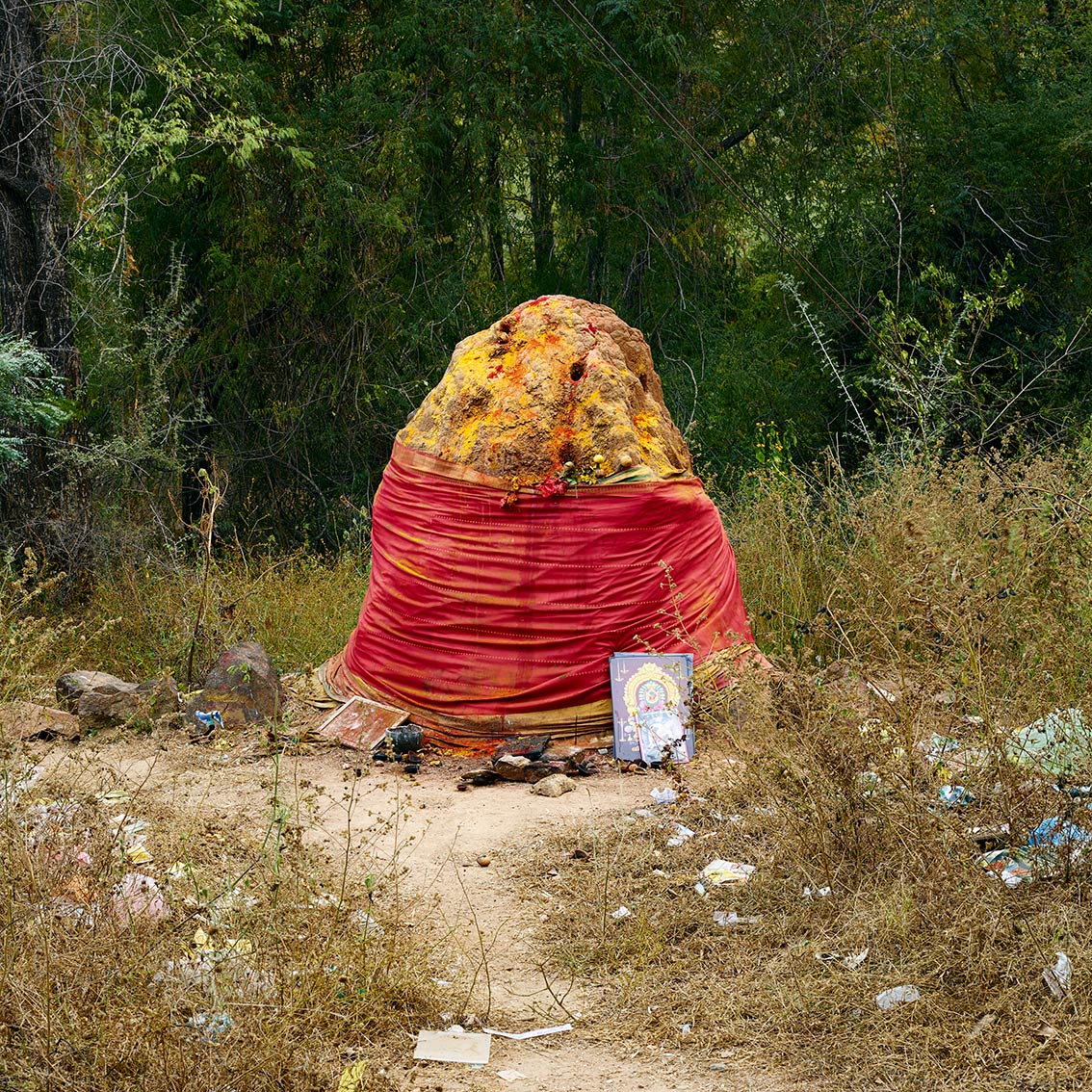
Shrine. Girivalam road, Tiruvannamalai, Tamil Nadu, India, 2014
Image size: 60 x 60 cm
Paper size: 74 x 74 cm
Edition of 8 + 2 AP
Image size: 100 x 100 cm
Paper size: 112 x 112 cm
Edition of 8 + 2 AP
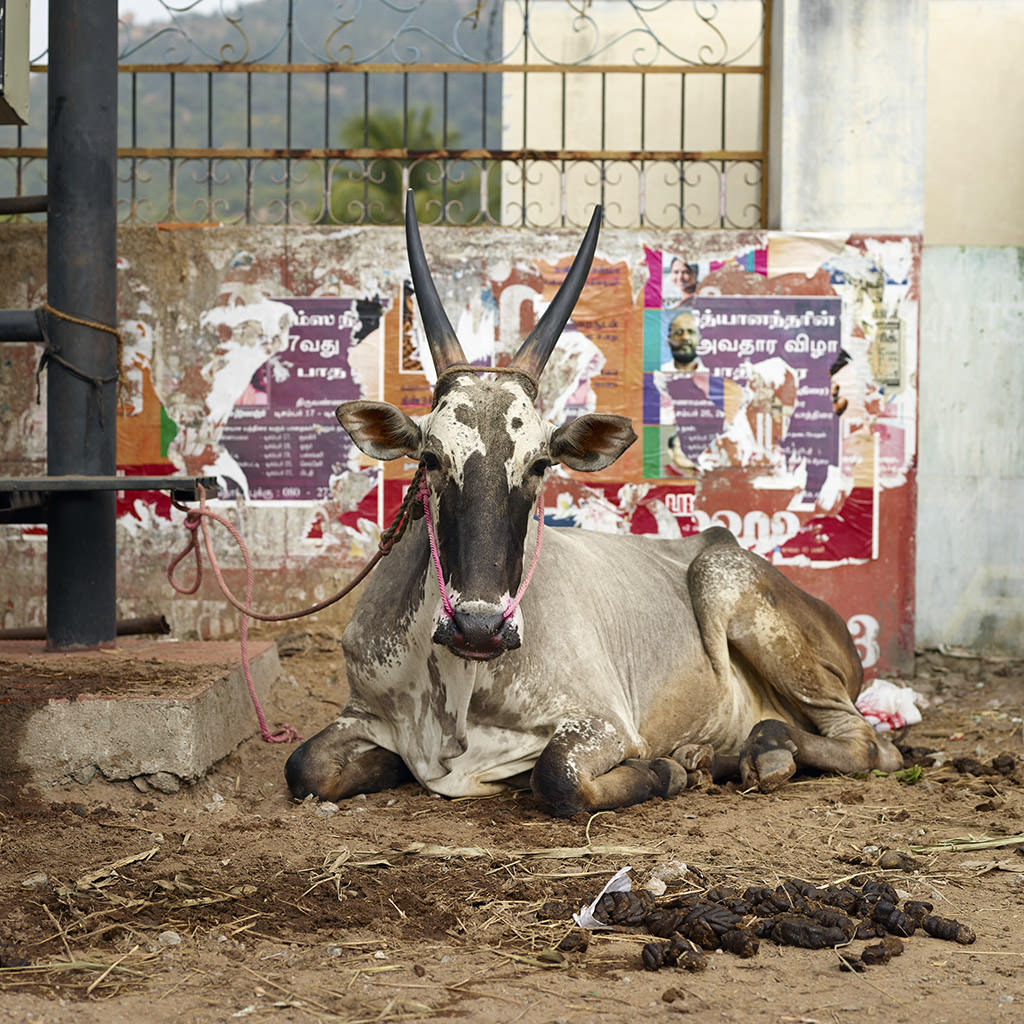
Mattu Pongal 3. NH 66 road, Tiruvannamalai, Tamil Nadu, India, 2014
Image size: 60 x 60 cm
Paper size: 74 x 74 cm
Edition of 8 + 2 AP
Image size: 100 x 100 cm
Paper size: 112 x 112 cm
Edition of 8 + 2 AP
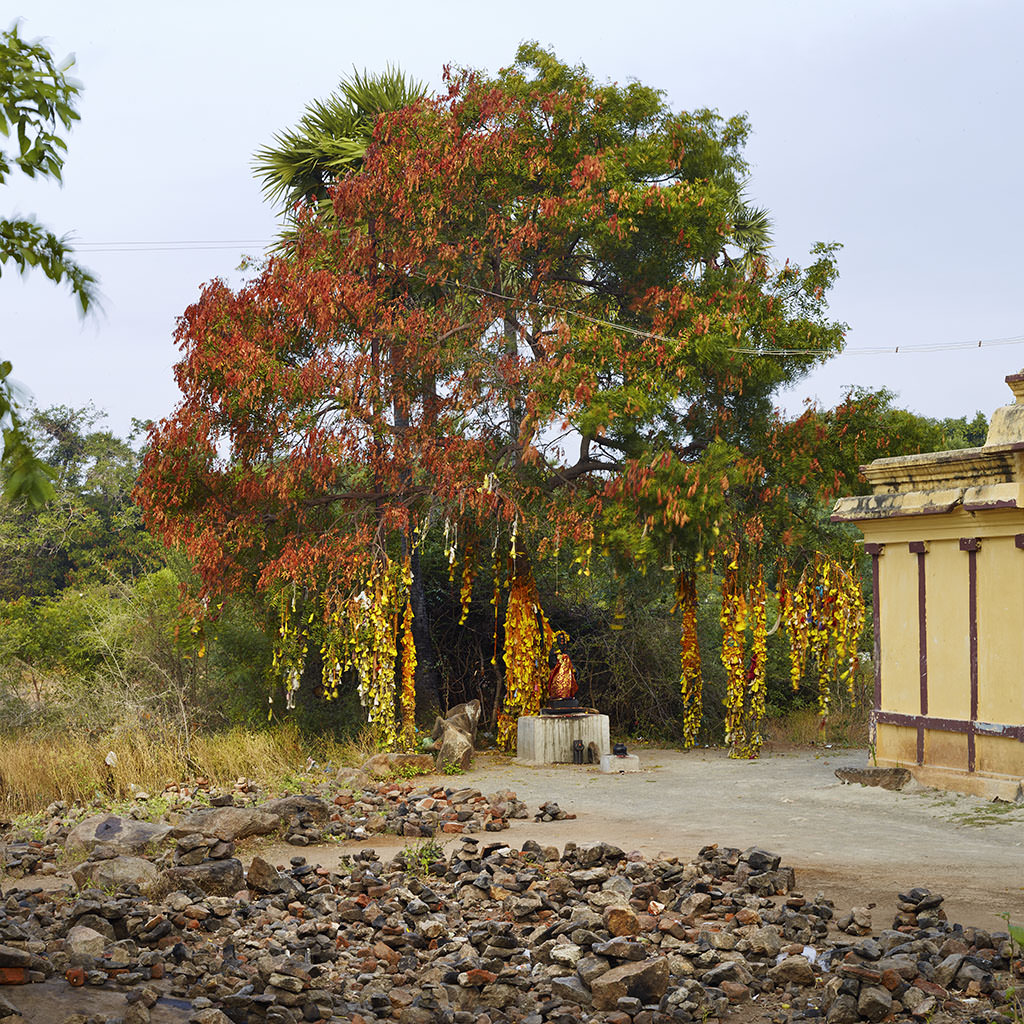
Sacred tree. Giri Valam road, Tiruvannamalai, Tamil Nadu, India, 2014
Image size: 60 x 60 cm
Paper size: 74 x 74 cm
Edition of 8 + 2 AP
Image size: 100 x 100 cm
Paper size: 112 x 112 cm
Edition of 8 + 2 AP
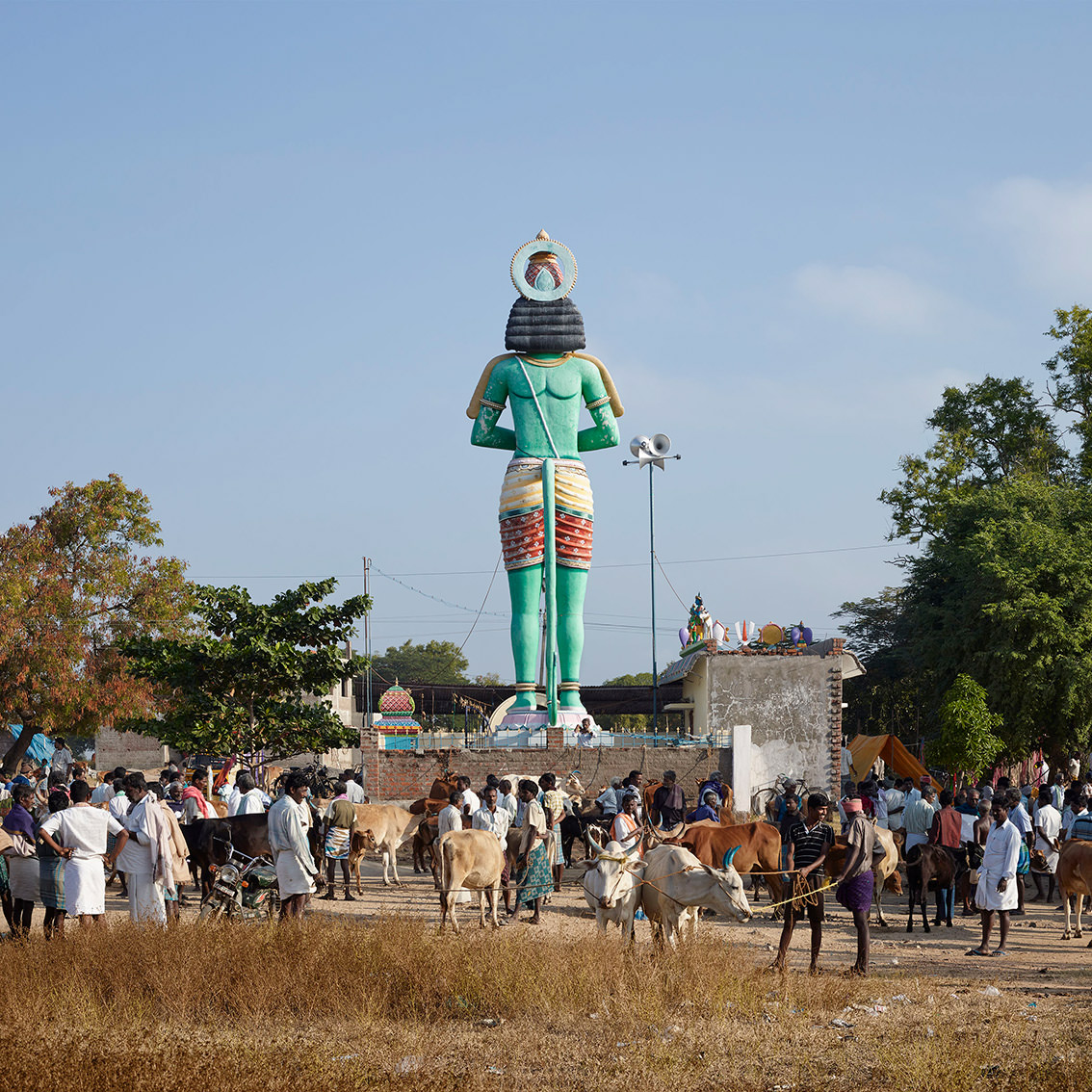
Cattle market. Mallavadi Tamil Nadu, India, 2014
Image size: 60 x 60 cm
Paper size: 74 x 74 cm
Edition of 8 + 2 AP
Image size: 100 x 100 cm
Paper size: 112 x 112 cm
Edition of 8 + 2 AP
Sightings of the Sacred
Cattle In Uganda, Madagascar and India
For the past two years Naudé has focused on photographing cattle in societies where these animals are revered and venerated. This is a position far removed from the Western world where they are mostly seen as productive sources of milk, meat and skins. Naudé first photographed the Ankole cattle in Uganda, renowned for their majestic horns which ideally curve out and then inward, forming a shape like a lyre. In the days before Christianity arrived in this part of Africa, the Bahima people made offerings of milk to herdsman gods, and their language has many names for cattle that describe their characteristics. Even now, the keepers of these animals live pastoral lives, their culture deeply rooted in these cattle. The survival of the Ankole is at the heart of cultural and economic debates about indigenous African values and symbolism versus a Western emphasis on commercial concerns.
In Madagascar, the distinctive Zebu cattle form part of the Bara people's cosmology and ancestor worship. There are distinctive Zebu selected for sacrificial purposes, such as those with a black head and white diamond shape on the forehead. In these societies, on the day of the death of a cattle owner, all his cattle are slaughtered and the skulls are placed on his tomb, along with funeral posts decorated with motifs describing the person's life.
In India, the Brahmin culture sees cows, along with all other life forms, as manifestations of god; as Gandhi said, 'I worship it and I shall defend its worship against the whole world.' For Hindu people, Nandi the bull is the mount of the god Shiva, and gatekeeper of Shiva's abode, and as such is found as a motif in temples throughout India. In southern India, where Naudé took his portraits, a harvest and cattle festival known as Mattu Pongal celebrates their divinity and they are accordingly richly decorated. The deep respect for cows and bulls in India is exemplified by the fact that in some states the slaughter of cattle is allowed only with many restrictions around the age and gender of cattle, and it is completely banned in six states.
In his portraits of cattle, Naudé brings into our time the long tradition of depicting the natural world with its rich references to classification and comparison. In many respects, this tradition faded in the 20th century because there were very few lands and creatures left to classify as the world had been mapped and the animals of the world named. The heightened presence of the animals in his images allows us to experience the awe and wonder that accompanied the reception of images and reports of exotic animals when they reached Europe in previous centuries. Yet, those images were invariably composites - drawings brought together elements that were unlikely in reality to be seen in the same frame. In our present day, the wide use of Photoshop continues the use of multiple images to create a single, often unusual image. In Naudé's case however, within a single photographic frame, he inexplicably captures a strong presence of the animal, usually in a sculptural pose, set within an apt descriptive landscape, and lit naturally, despite having very little control over all these elements. Thus the images seemingly defy reality and heighten the sacred status of the cattle. When seeing them for the first time, after an initial wonderment at the animal's presence, the mind grapples with the understated improbability of the image and is compelled to look again and again for clues to its composition.
INFORMATION REQUIRED
To request a print or enquire about an image, please include the photo name and any relevant details below.
Previous
Next