
// 2018 - 2019
The Bovine Prophecy
Location
The Wild Coast, Eastern Cape, South Africa
Subject
Indigenous Xhosa Cattle
Year
Digital Phase One and ALPA MAX
Format
Outdoor location photography with subjects placed in natural landscapes
Short Description
Portraits of indigenous Xhosa cattle photographed on the beaches of the Wild Coast over ten years, set against the historical backdrop of Nongqawuse's 1856 prophecy. Each image balances landscape, light and the individual temperament of the animal to capture a moment of mutual recognition between viewer and subject.
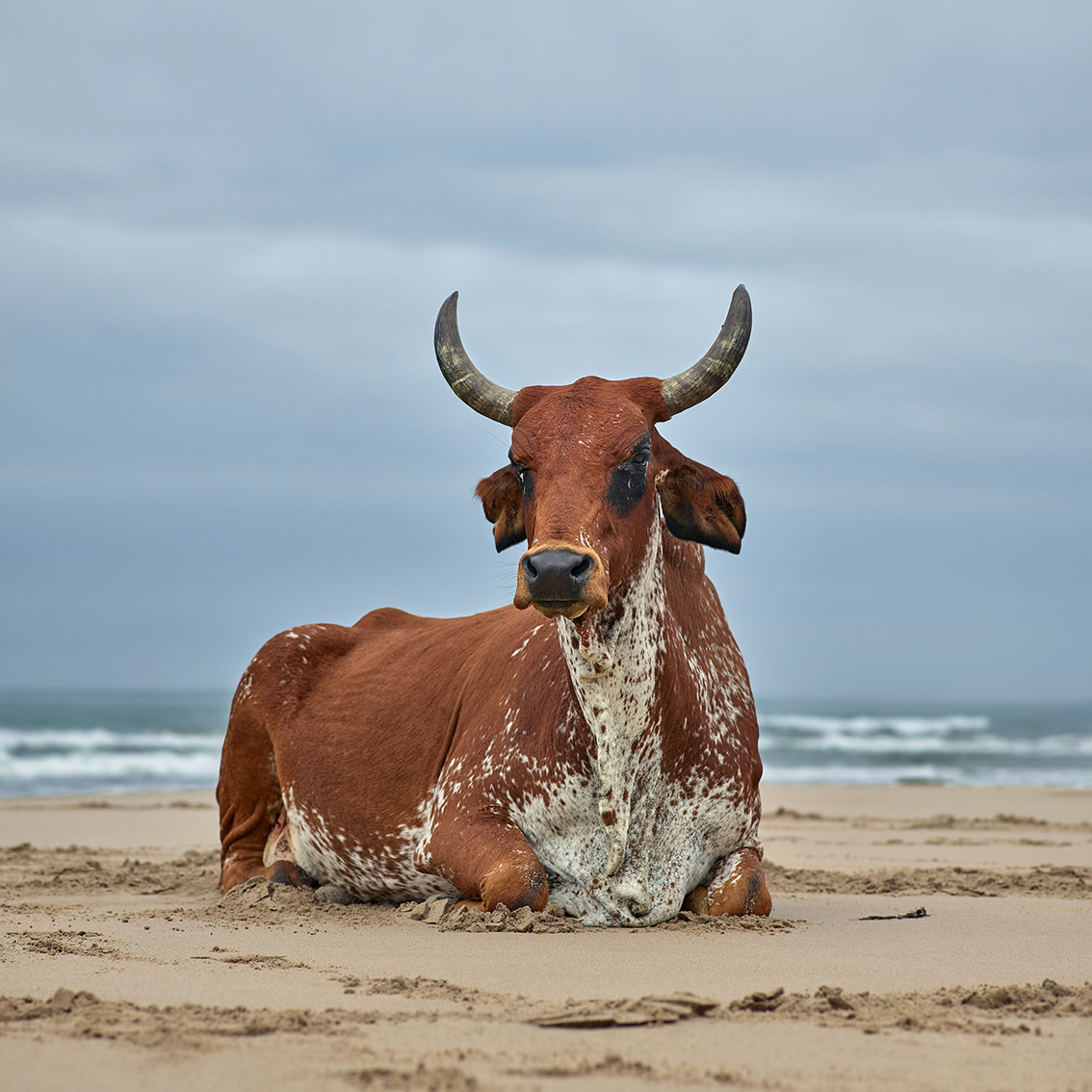
Xhosa cow sitting on the shore. Qoloha, Eastern Cape, South Africa, 11 April 2018
Image size: 60 x 60 cm
Paper size: 74 x 74 cm
Edition of 6 + 2 AP
Image size: 110 x 110 cm
Paper size: 124 x 124 cm
Edition of 5 + 2 AP
SOLD OUT
Image size: 150 x 150 cm
Paper size: 152 x 152 cm
Edition of 3 + 1 AP
SOLD OUT
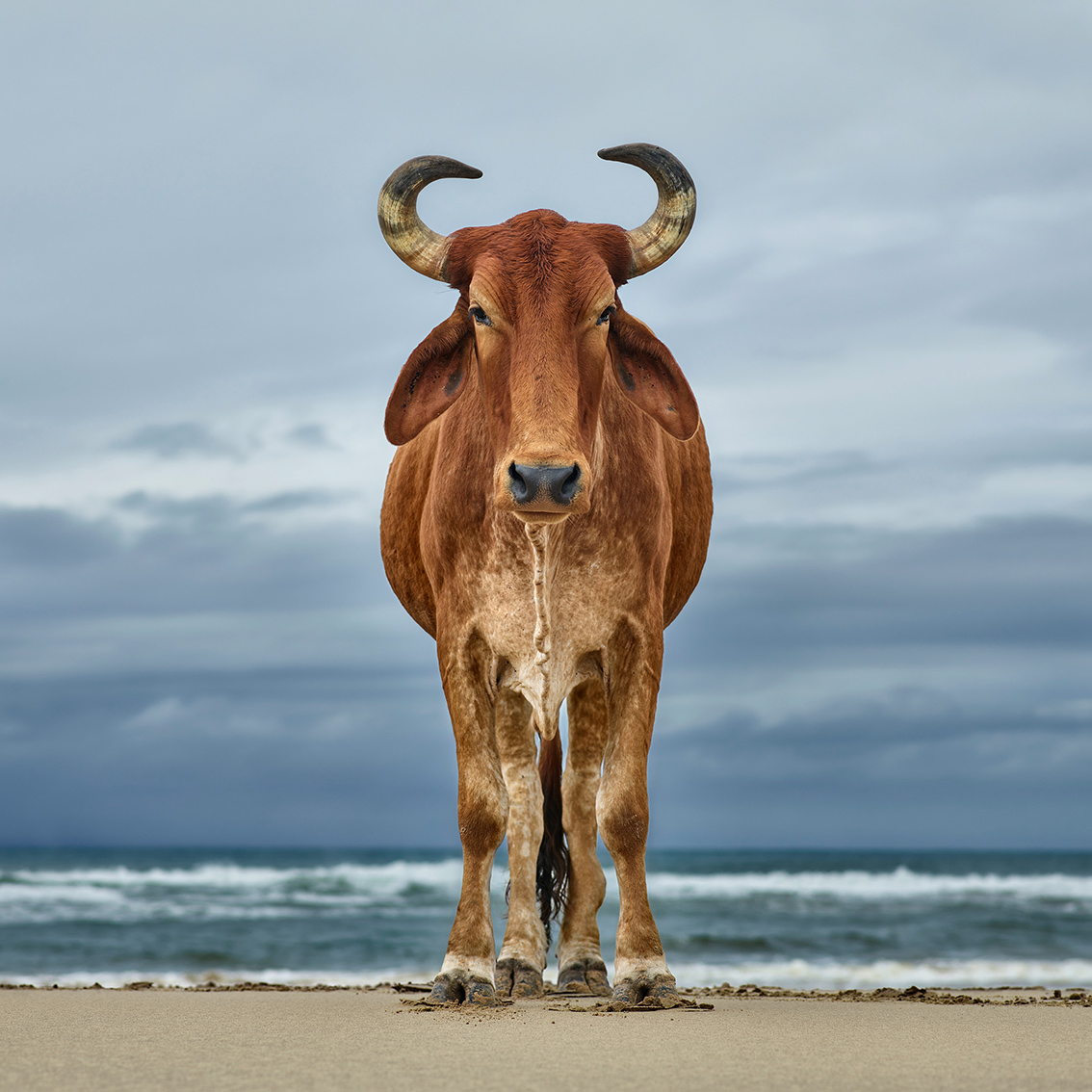
Xhosa bull on the shore. Kiwane, Eastern Cape, South Africa, 12 April 2018
Image size: 60 x 60 cm
Paper size: 74 x 74 cm
Edition of 6 + 2 AP
Image size: 110 x 110 cm
Paper size: 124 x 124 cm
Edition of 5 + 2 AP
SOLD OUT
Image size: 150 x 150 cm
Paper size: 152 x 152 cm
Edition of 3 + 1 AP
SOLD OUT
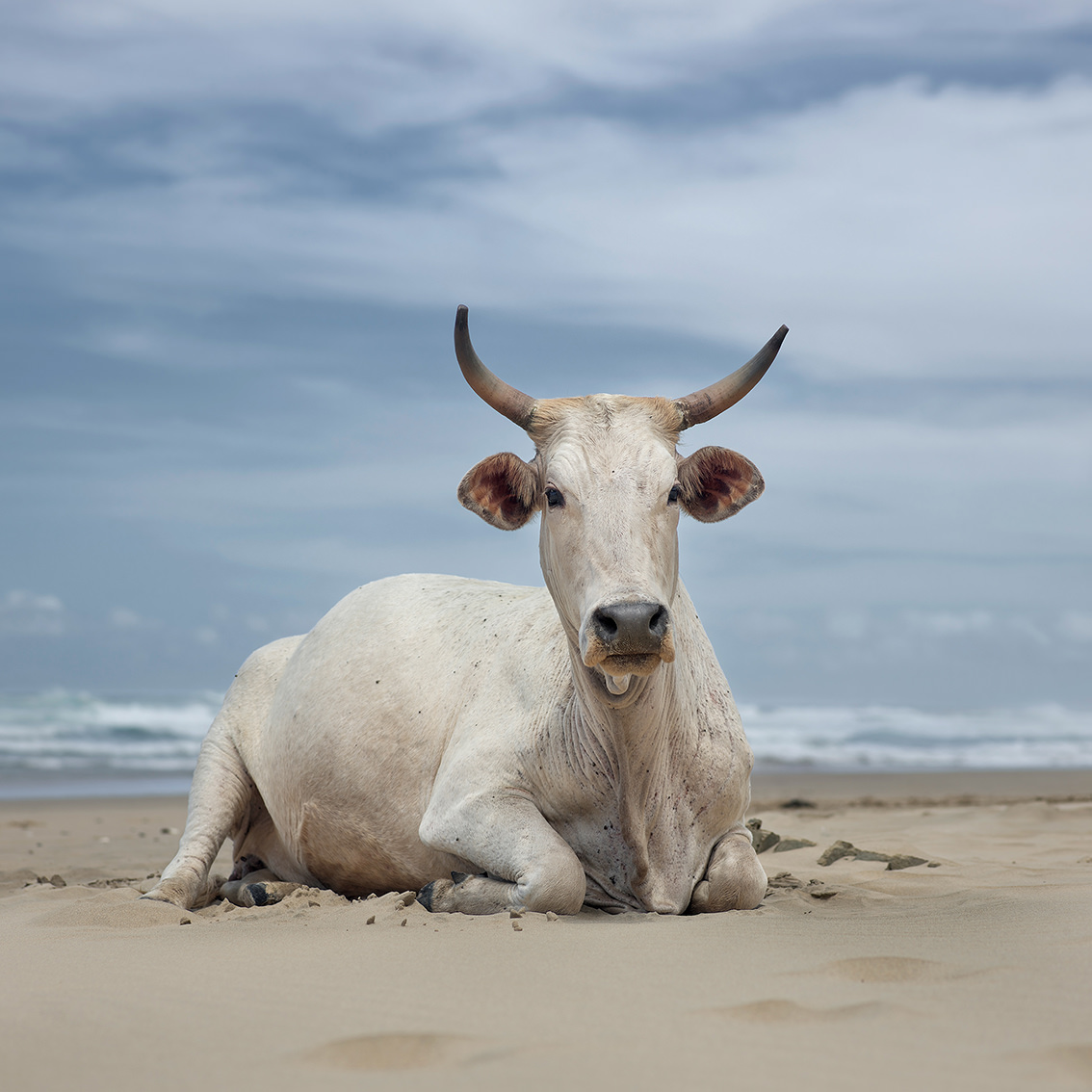
Xhosa cow sitting on the shore. Noxova, Eastern Cape, South Africa, 5 December 2019
Image size: 60 x 60 cm
Paper size: 74 x 74 cm
Edition of 6 + 2 AP
Image size: 110 x 110 cm
Paper size: 124 x 124 cm
Edition of 5 + 2 AP
SOLD OUT
Image size: 150 x 150 cm
Paper size: 152 x 152 cm
Edition of 3 + 1 AP
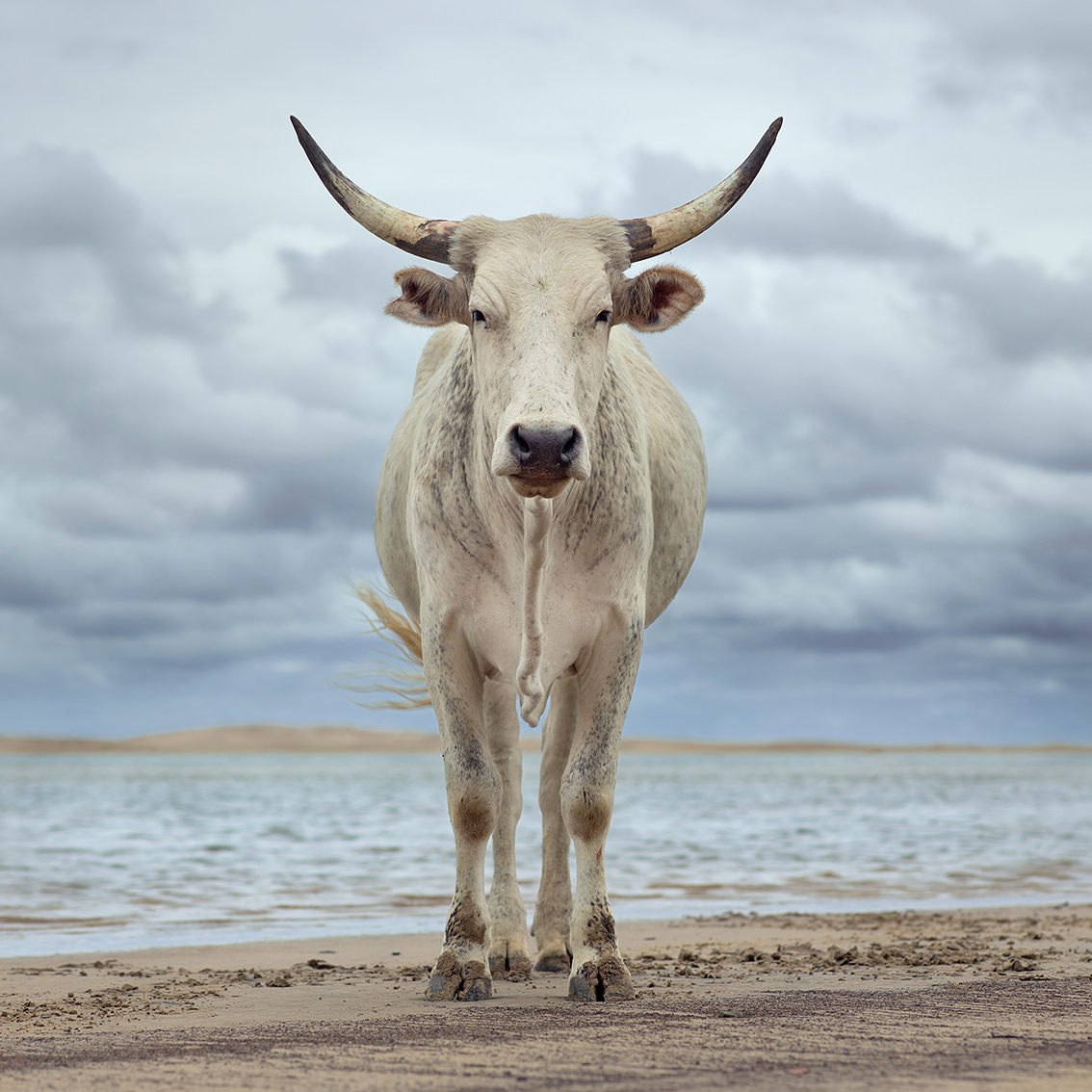
Xhosa cow on the shore. Kei river mouth, Eastern Cape, South Africa, 9 December 2019
Image size: 60 x 60 cm
Paper size: 74 x 74 cm
Edition of 6 + 2 AP
Image size: 110 x 110 cm
Paper size: 124 x 124 cm
Edition of 5 + 2 AP
Image size: 150 x 150 cm
Paper size: 152 x 152 cm
Edition of 3 + 1 AP
SOLD OUT
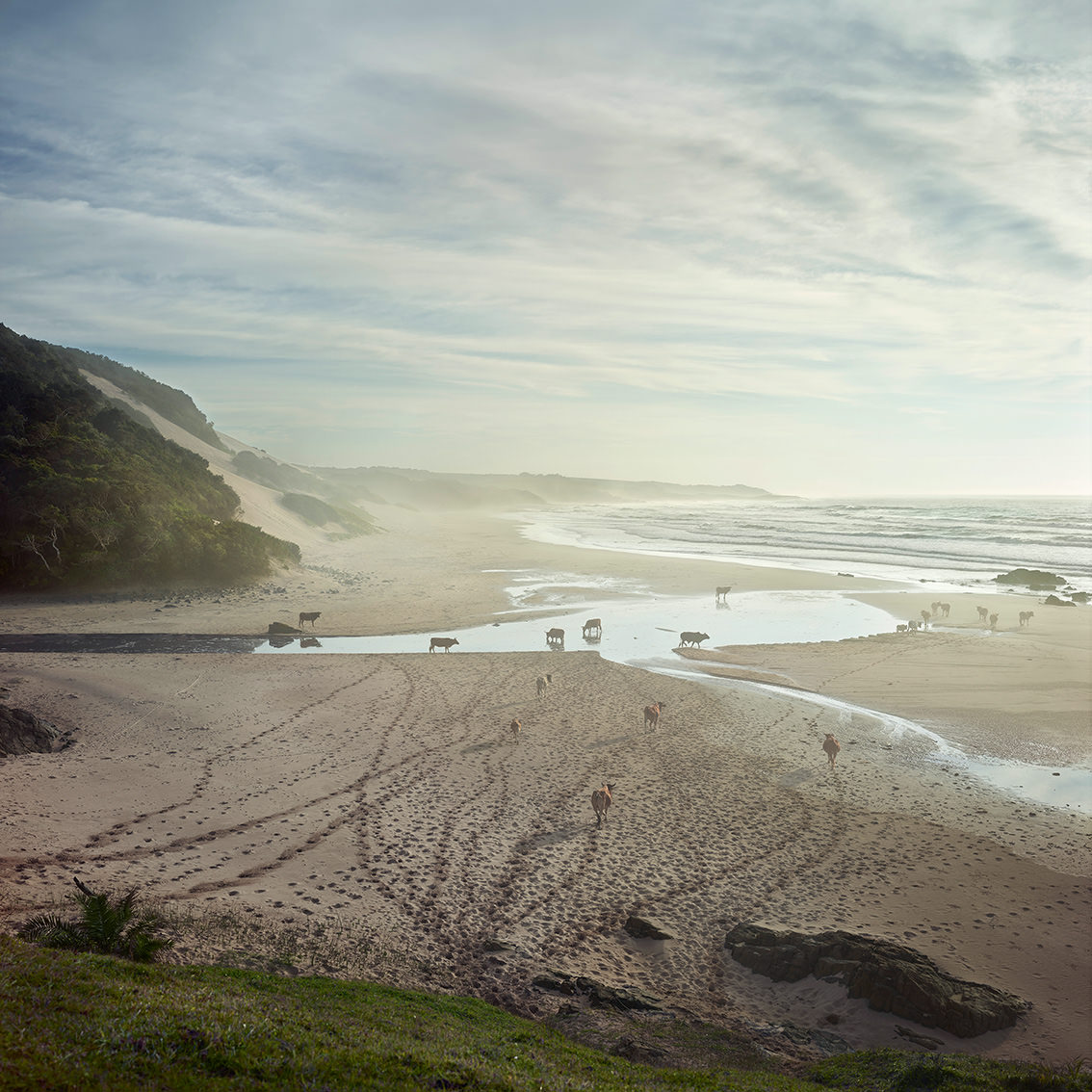
Xhosa cattle at Nebelele river mouth. Eastern Cape, South Africa, 2 April 2018
Image size: 60 x 60 cm
Paper size: 74 x 74 cm
Edition of 6 + 2 AP
Image size: 110 x 110 cm
Paper size: 124 x 124 cm
Edition of 5 + 2 AP
SOLD OUT
Image size: 150 x 150 cm
Paper size: 152 x 152 cm
Edition of 3 + 1 AP
SOLD OUT
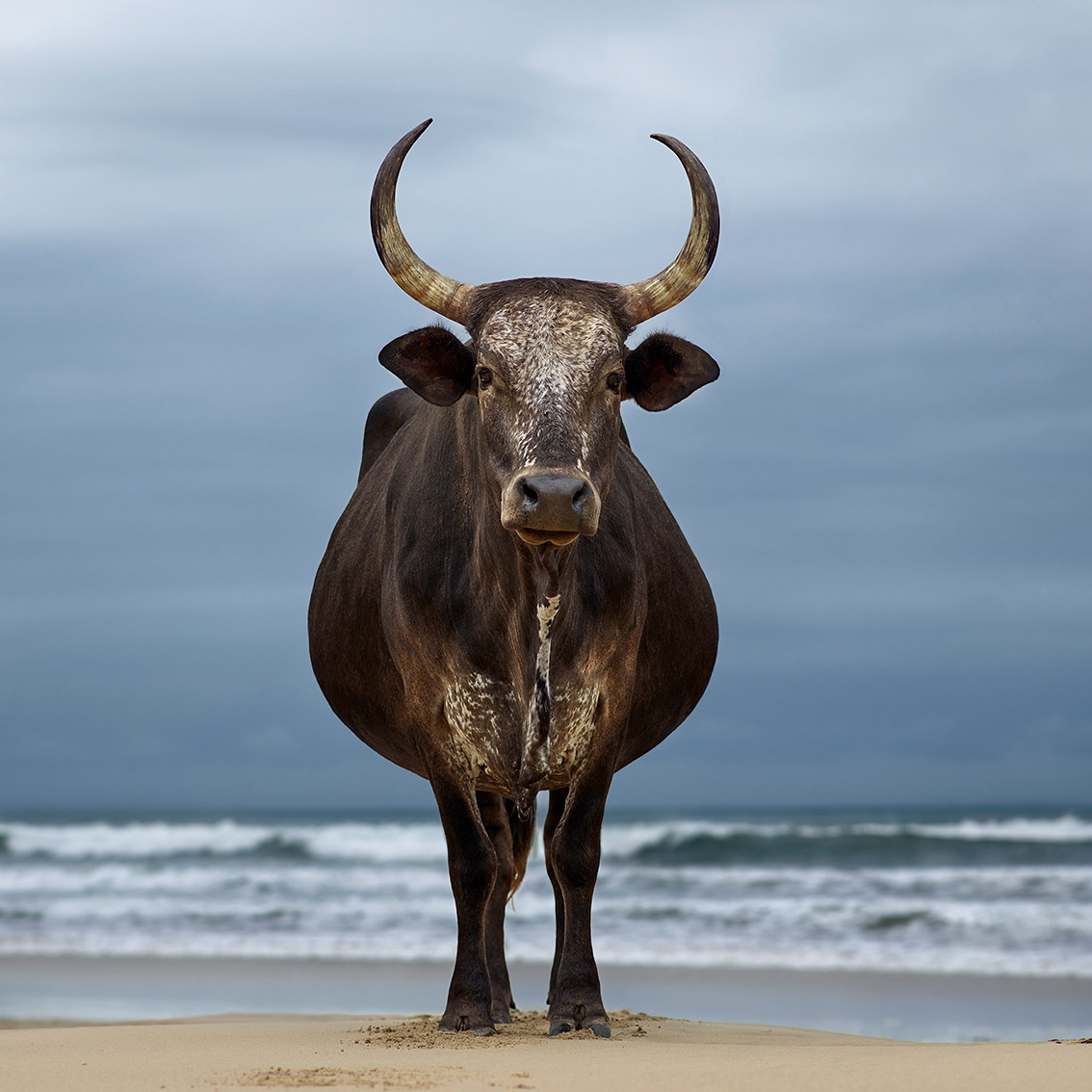
Xhosa cow on the shore. Qoloha, Eastern Cape, South Africa, 6 April 2018
Image size: 60 x 60 cm
Paper size: 74 x 74 cm
Edition of 6 + 2 AP
Image size: 110 x 110 cm
Paper size: 124 x 124 cm
Edition of 5 + 2 AP
SOLD OUT
Image size: 150 x 150 cm
Paper size: 152 x 152 cm
Edition of 3 + 1 AP
SOLD OUT
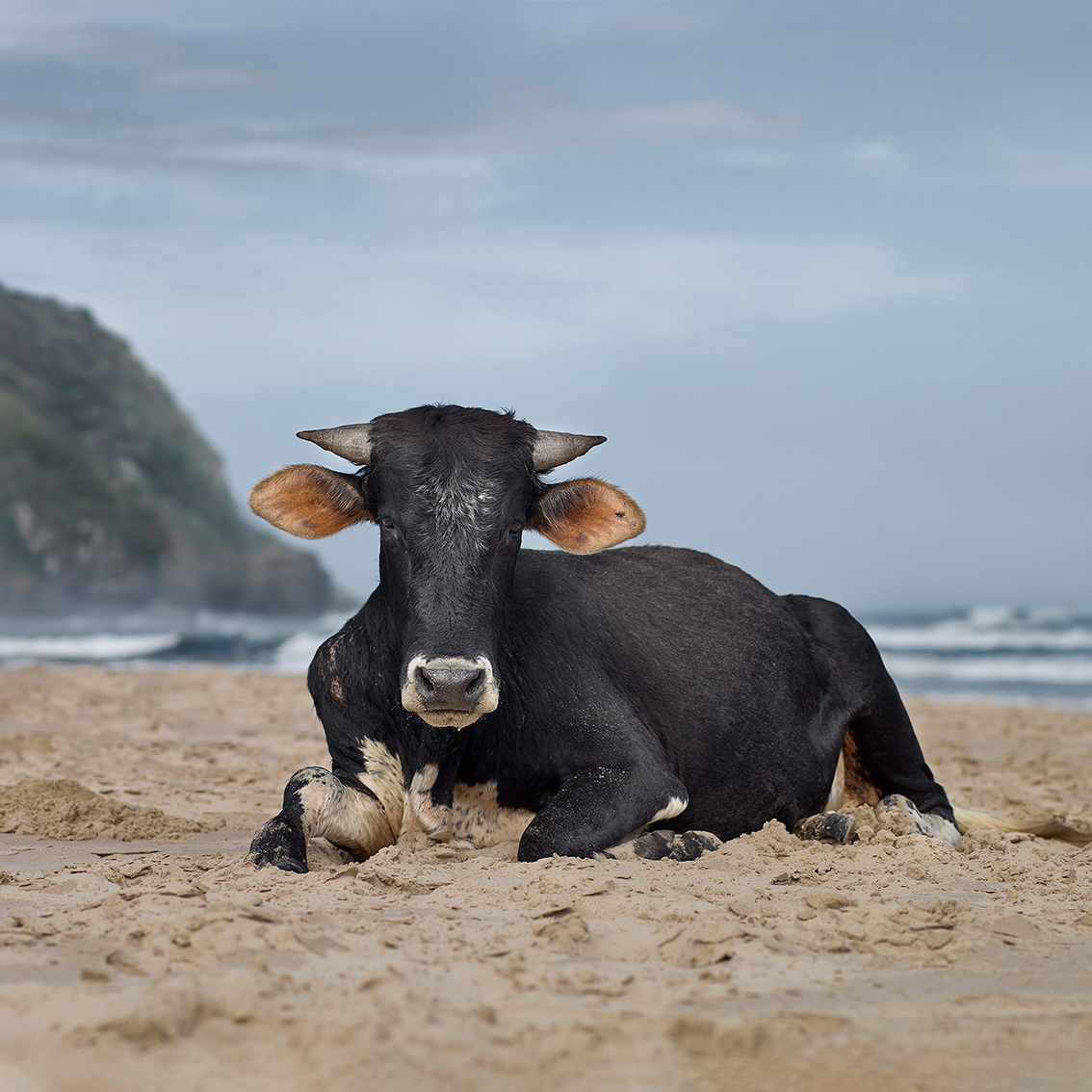
Xhosa heifer sitting on the shore. Mpande, Eastern Cape, South Africa, 14 January 2019
Image size: 60 x 60 cm
Paper size: 74 x 74 cm
Edition of 6 + 2 AP
Image size: 110 x 110 cm
Paper size: 124 x 124 cm
Edition of 5 + 2 AP
Image size: 150 x 150 cm
Paper size: 152 x 152 cm
Edition of 3 + 1 AP
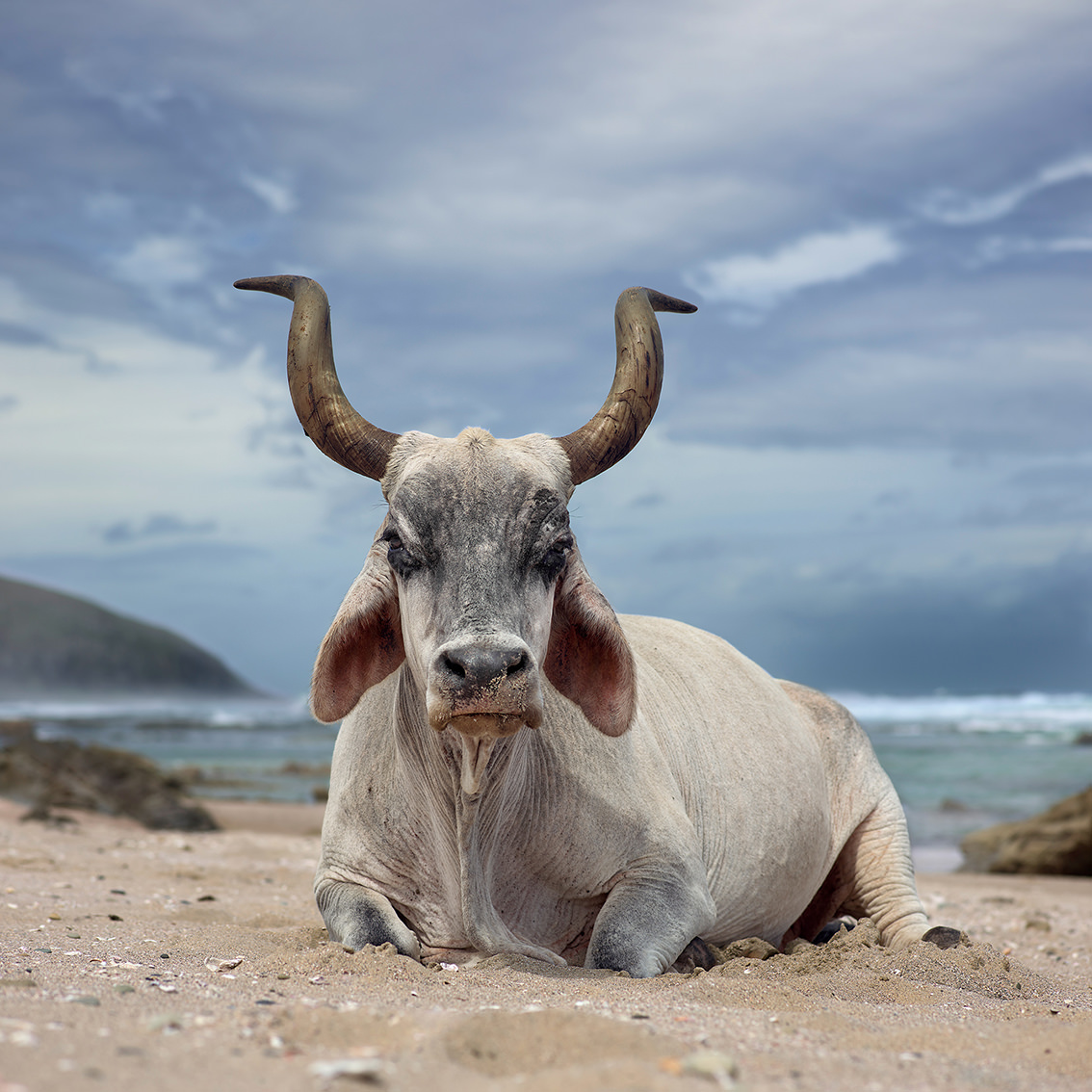
Xhosa ox sitting on the shore. Hluleka, Eastern Cape, South Africa, 4 December 2019
Image size: 60 x 60 cm
Paper size: 74 x 74 cm
Edition of 6 + 2 AP
Image size: 110 x 110 cm
Paper size: 124 x 124 cm
Edition of 5 + 2 AP
SOLD OUT
Image size: 150 x 150 cm
Paper size: 152 x 152 cm
Edition of 3 + 1 AP
SOLD OUT
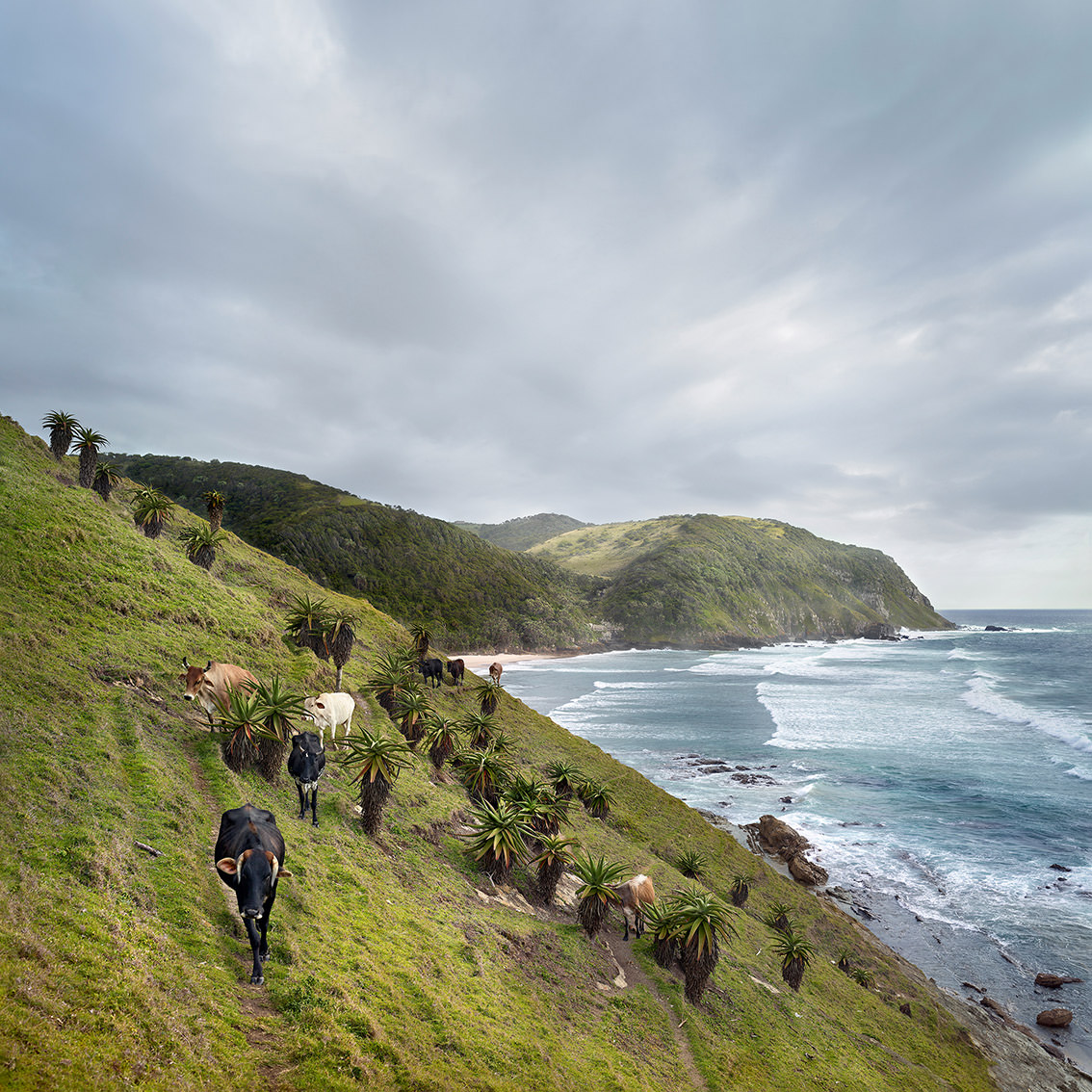
Xhosa cattle at Sinangwana river mouth. Eastern Cape, South Africa, 11 January 2019
Image size: 60 x 60 cm
Paper size: 74 x 74 cm
Edition of 6 + 2 AP
Image size: 110 x 110 cm
Paper size: 124 x 124 cm
Edition of 5 + 2 AP
Image size: 150 x 150 cm
Paper size: 152 x 152 cm
Edition of 3 + 1 AP
SOLD OUT
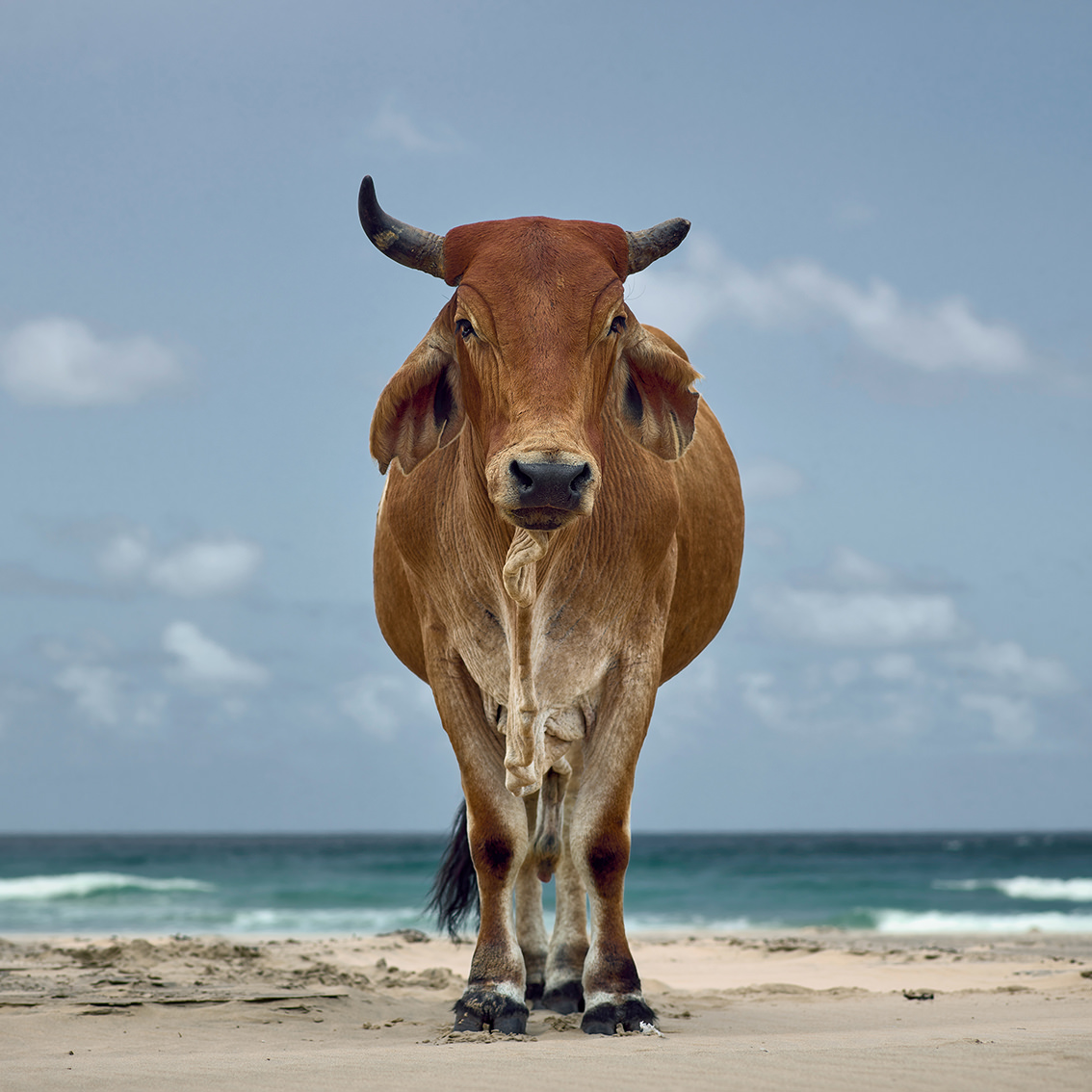
Xhosa bull on the shore. Cebe, Eastern Cape, South Africa, 7 December 2019
Image size: 60 x 60 cm
Paper size: 74 x 74 cm
Edition of 6 + 2 AP
Image size: 110 x 110 cm
Paper size: 124 x 124 cm
Edition of 5 + 2 AP
Image size: 150 x 150 cm
Paper size: 152 x 152 cm
Edition of 3 + 1 AP
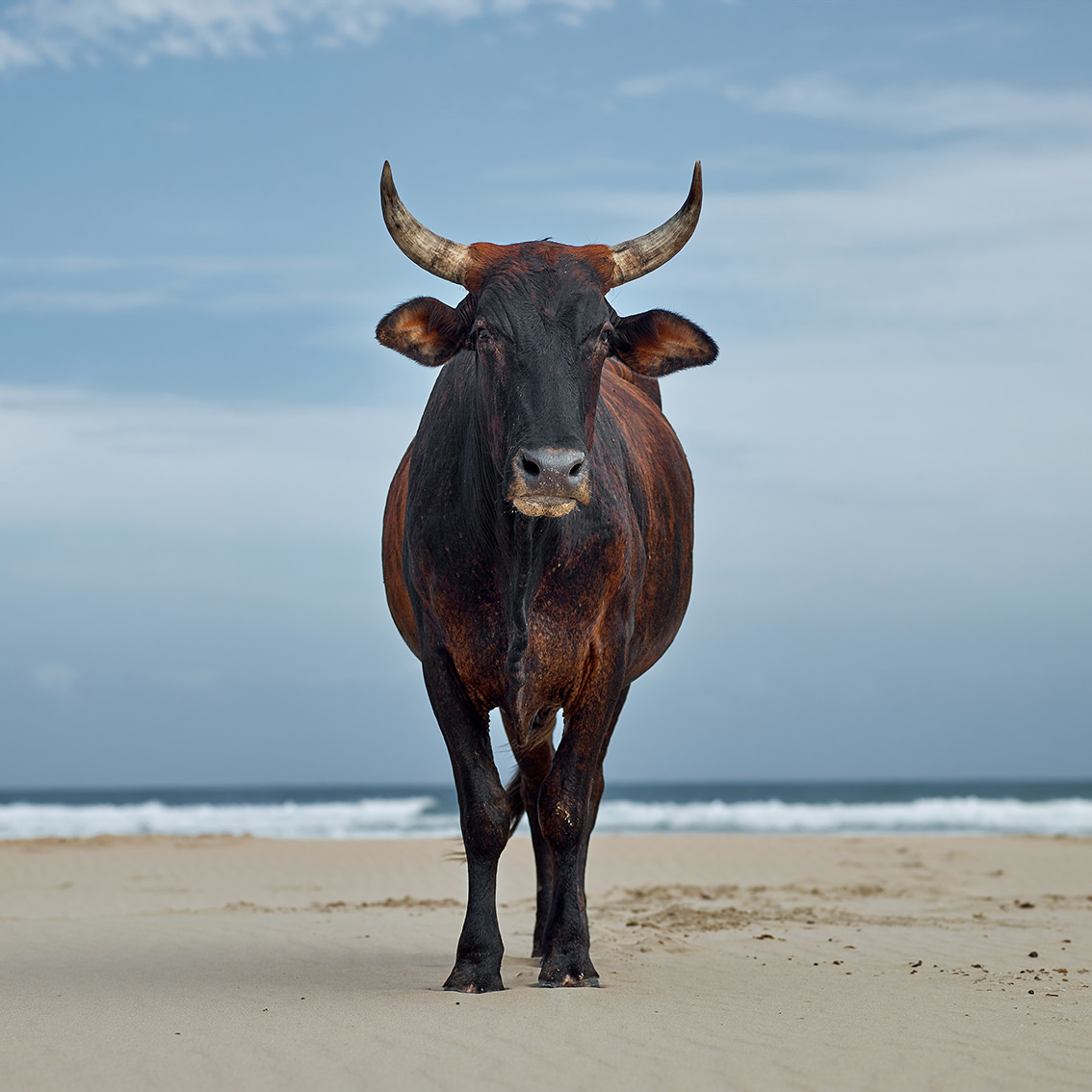
Xhosa cow on the shore. Cebe, Eastern Cape, South Africa, 8 December 2019
Image size: 60 x 60 cm
Paper size: 74 x 74 cm
Edition of 6 + 2 AP
Image size: 110 x 110 cm
Paper size: 124 x 124 cm
Edition of 5 + 2 AP
Image size: 150 x 150 cm
Paper size: 152 x 152 cm
Edition of 3 + 1 AP
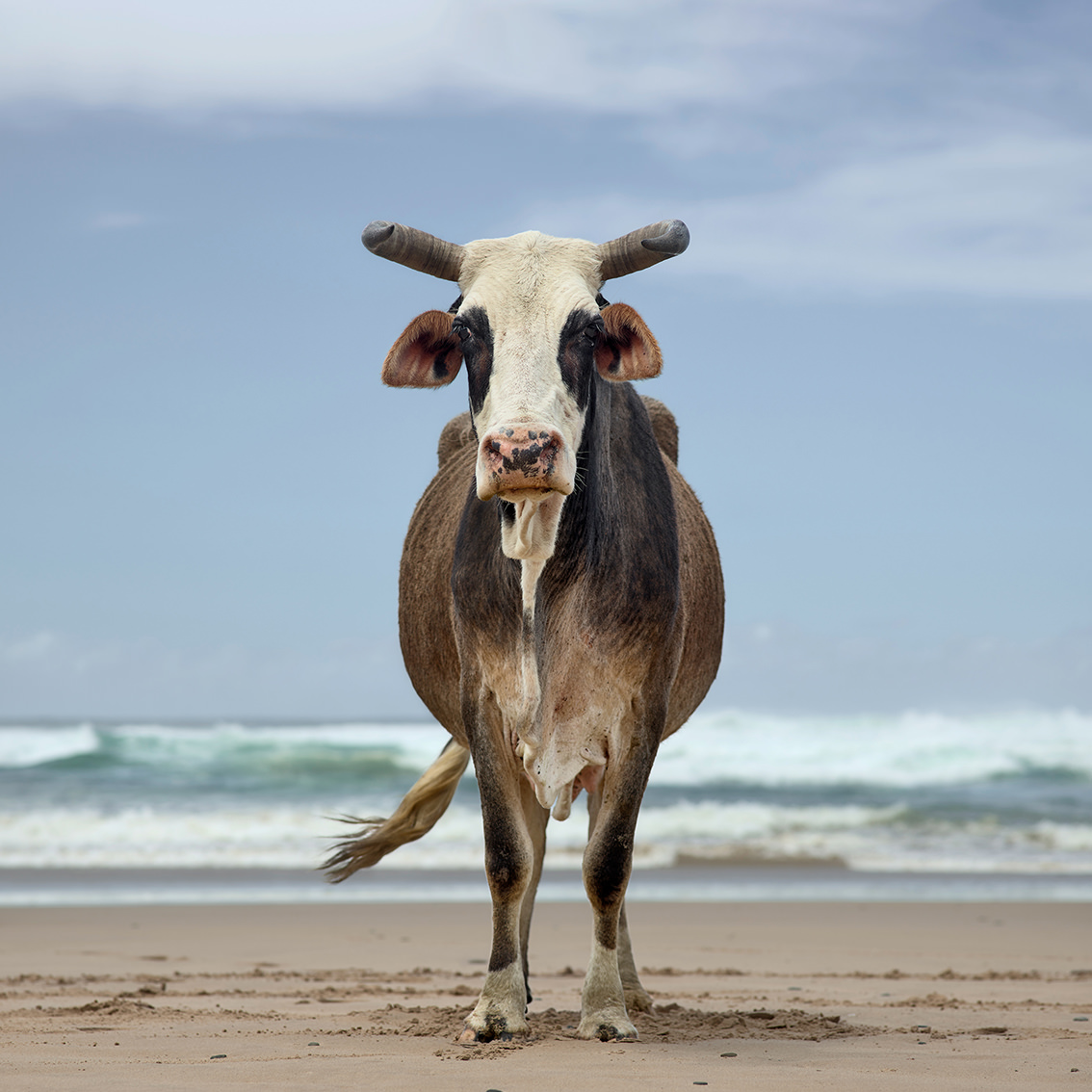
Xhosa cow on the shore. Noxova, Eastern Cape, South Africa, 5 December 2019
Image size: 60 x 60 cm
Paper size: 74 x 74 cm
Edition of 6 + 2 AP
Image size: 110 x 110 cm
Paper size: 124 x 124 cm
Edition of 5 + 2 AP
Image size: 150 x 150 cm
Paper size: 152 x 152 cm
Edition of 3 + 1 AP
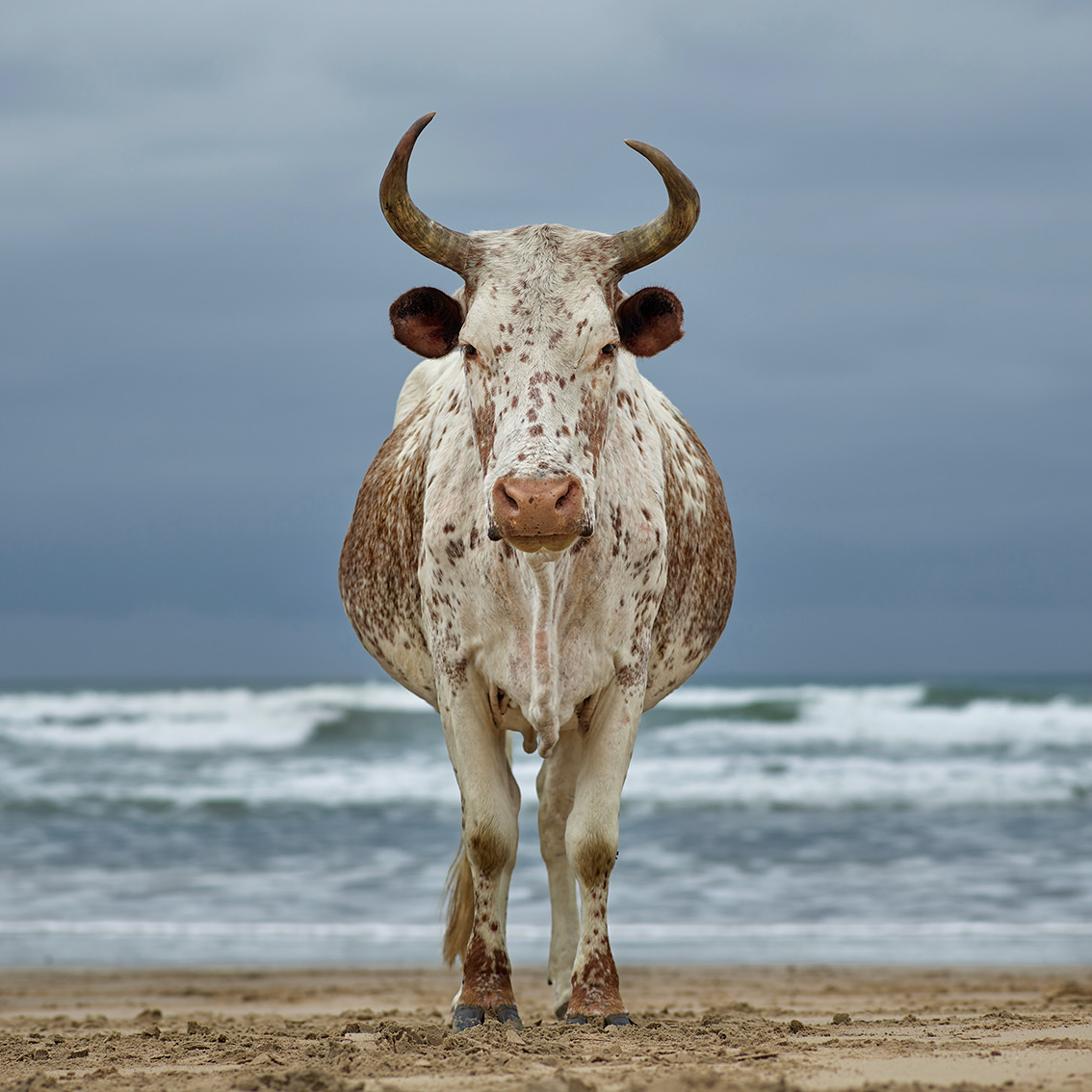
Xhosa Nguni cow on the shore. Kiwane, Eastern Cape, South Africa, 5 April 2018
Image size: 60 x 60 cm
Paper size: 74 x 74 cm
Edition of 6 + 2 AP
Image size: 110 x 110 cm
Paper size: 124 x 124 cm
Edition of 5 + 2 AP
SOLD OUT
Image size: 150 x 150 cm
Paper size: 152 x 152 cm
Edition of 3 + 1 AP
SOLD OUT
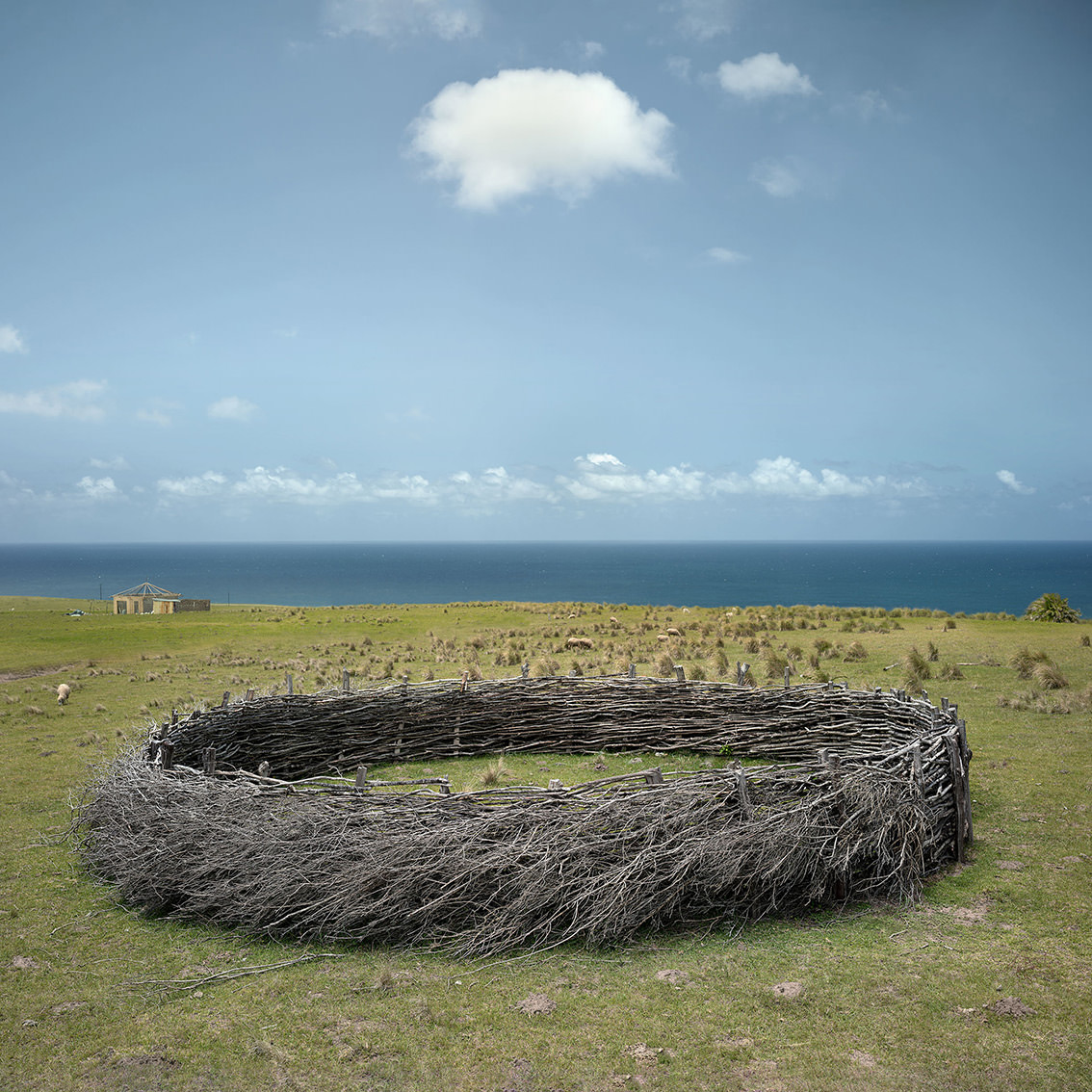
Xhosa kraal. Ncata, Eastern Cape, South Africa, 12 December 2019
Image size: 60 x 60 cm
Paper size: 74 x 74 cm
Edition of 6 + 2 AP
Image size: 110 x 110 cm
Paper size: 124 x 124 cm
Edition of 5 + 2 AP
SOLD OUT
Image size: 150 x 150 cm
Paper size: 152 x 152 cm
Edition of 3 + 1 AP
SOLD OUT
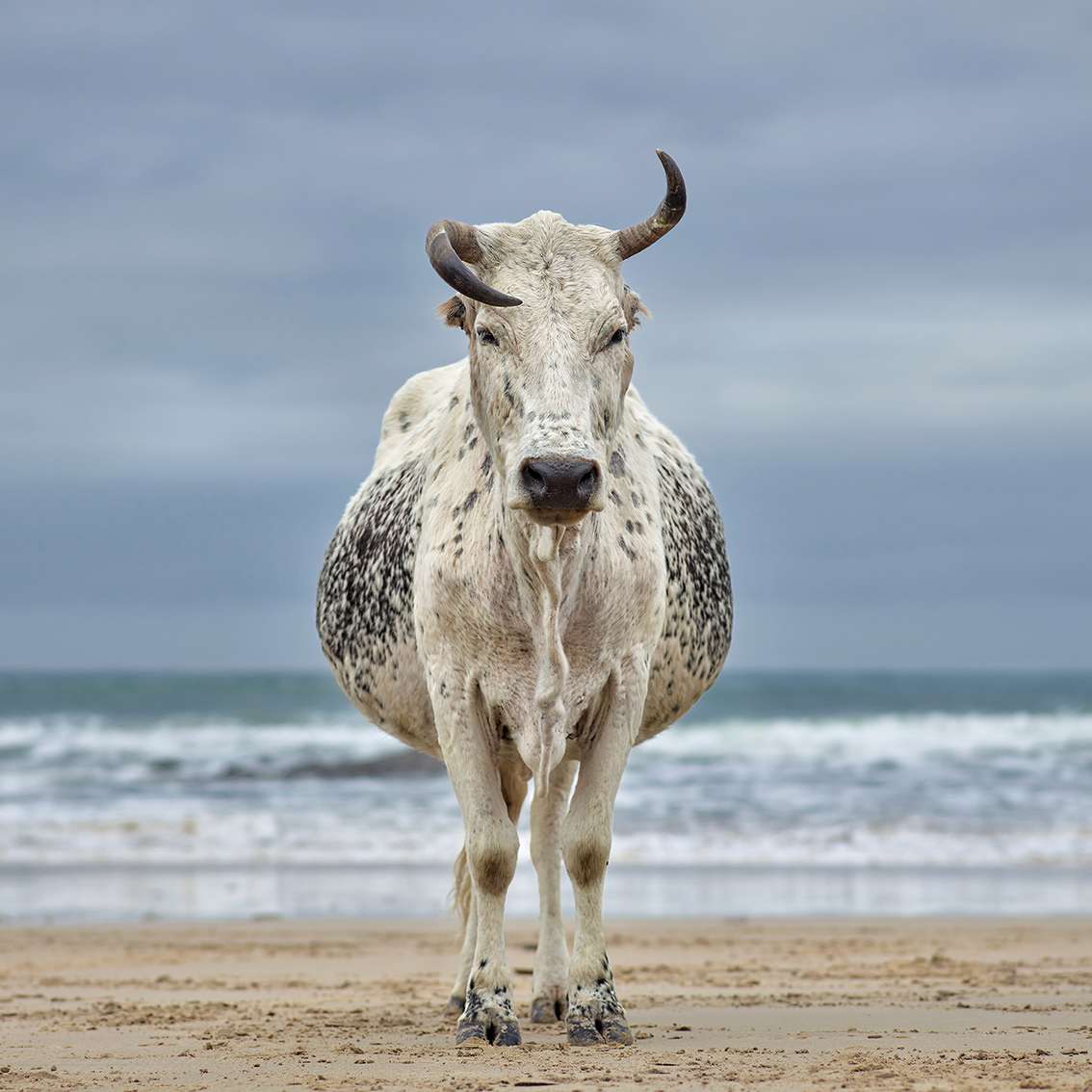
Xhosa Nguni cow on the shore. Qoloha, Eastern Cape, South Africa, 16 April 2018
Image size: 60 x 60 cm
Paper size: 74 x 74 cm
Edition of 6 + 2 AP
Image size: 110 x 110 cm
Paper size: 124 x 124 cm
Edition of 5 + 2 AP
Image size: 150 x 150 cm
Paper size: 152 x 152 cm
Edition of 3 + 1 AP
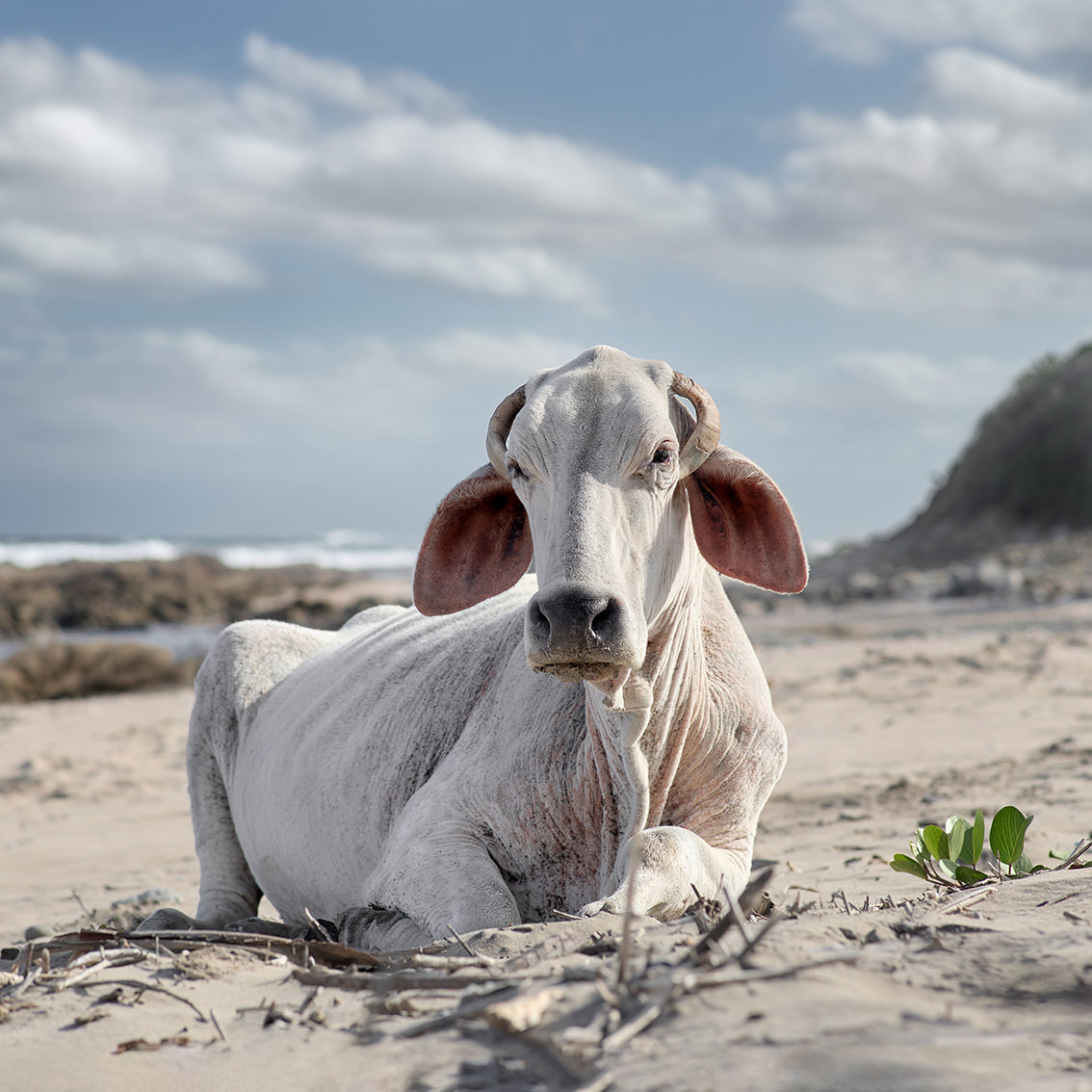
Xhosa cow sitting on the shore. Mnenu river mouth, Eastern Cape, South Africa, 4 December 2019
Image size: 60 x 60 cm
Paper size: 74 x 74 cm
Edition of 6 + 2 AP
Image size: 110 x 110 cm
Paper size: 124 x 124 cm
Edition of 5 + 2 AP
Image size: 150 x 150 cm
Paper size: 152 x 152 cm
Edition of 3 + 1 AP
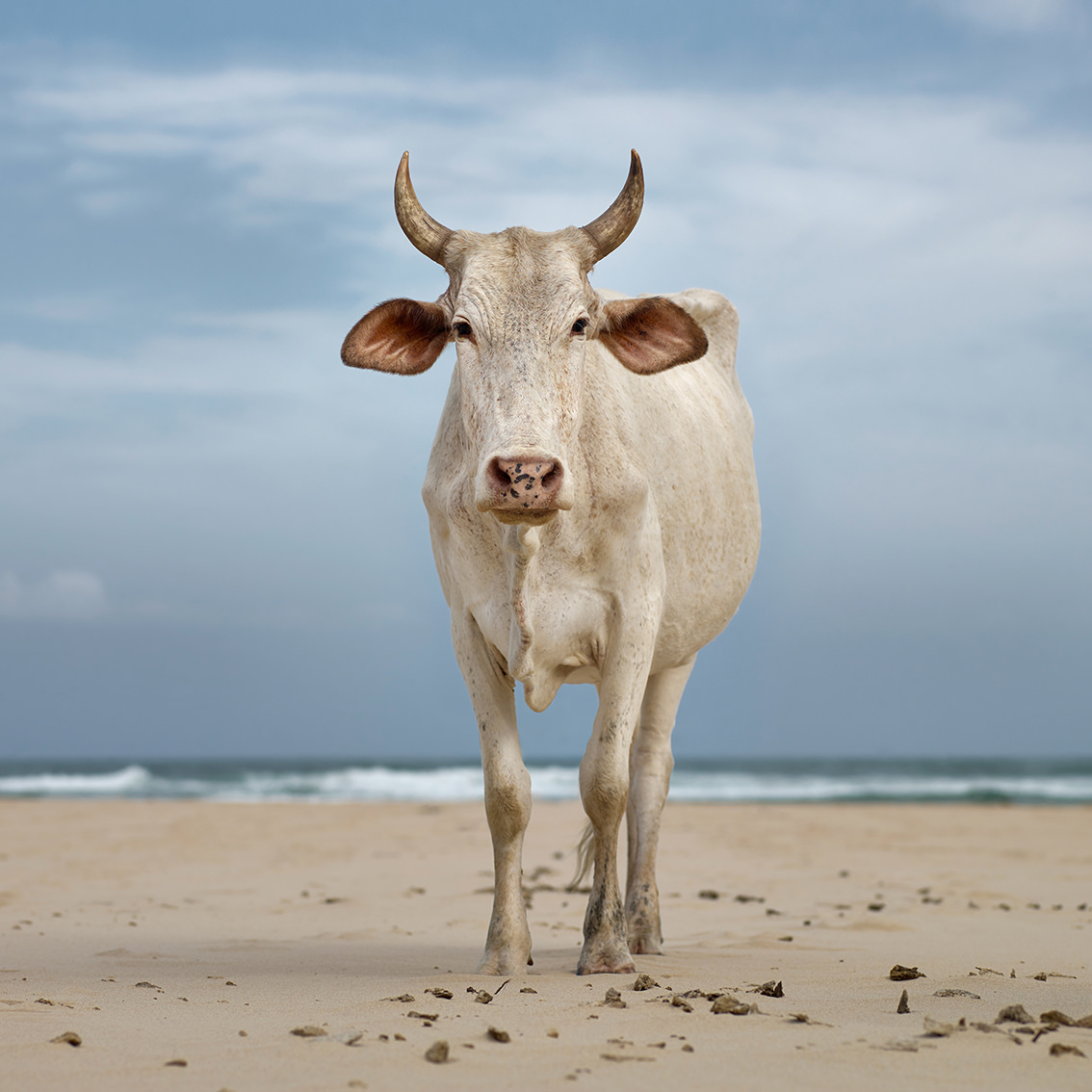
Xhosa Nguni cow on the shore. Mpande, Eastern Cape, South Africa, 21 January 2019
Image size: 60 x 60 cm
Paper size: 74 x 74 cm
Edition of 6 + 2 AP
Image size: 110 x 110 cm
Paper size: 124 x 124 cm
Edition of 5 + 2 AP
Image size: 150 x 150 cm
Paper size: 152 x 152 cm
Edition of 3 + 1 AP
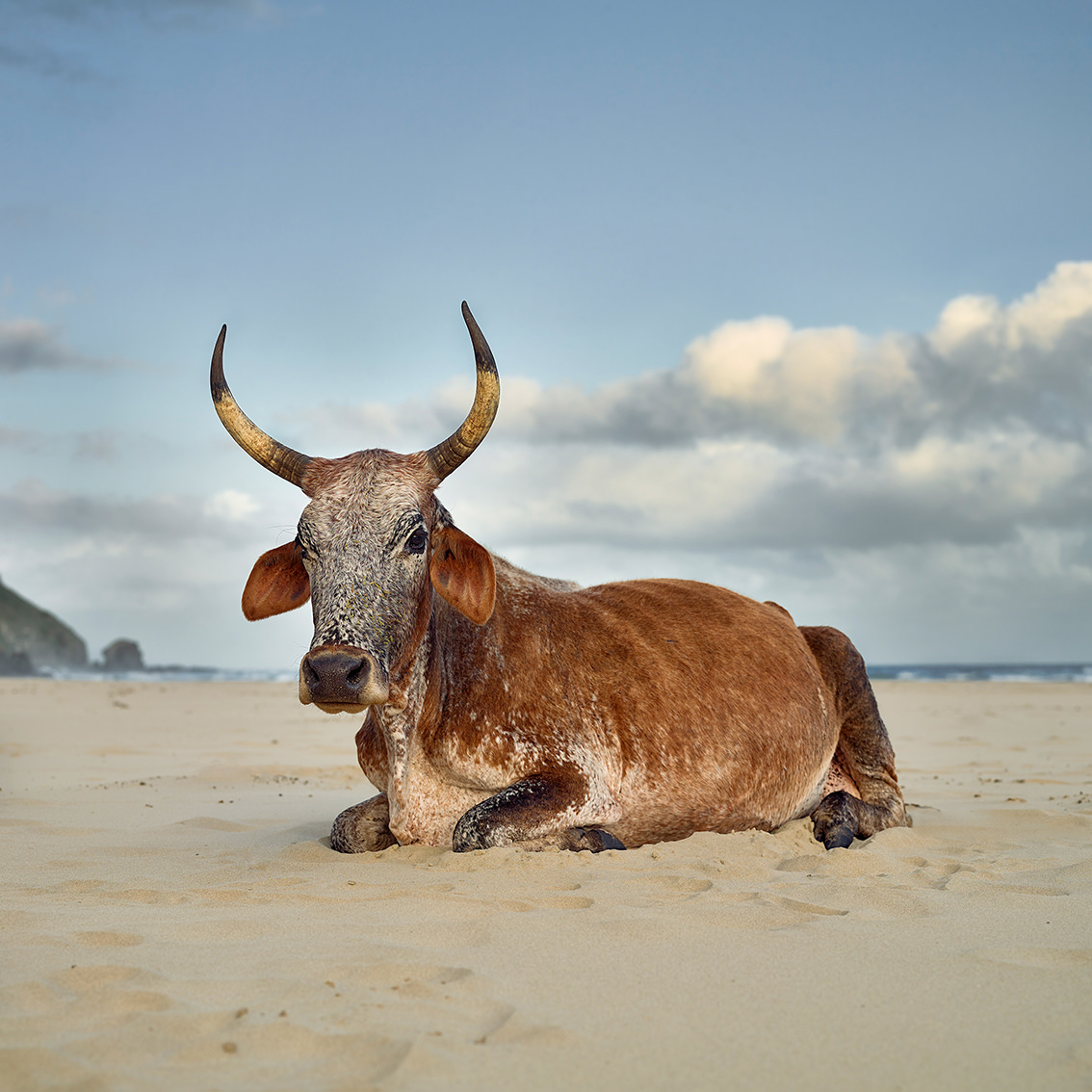
Xhosa Nguni cow sitting on the shore. Mpande, Eastern Cape, South Africa, 10 January 2019
Image size: 60 x 60 cm
Paper size: 74 x 74 cm
Edition of 6 + 2 AP
Image size: 110 x 110 cm
Paper size: 124 x 124 cm
Edition of 5 + 2 AP
SOLD OUT
Image size: 150 x 150 cm
Paper size: 152 x 152 cm
Edition of 3 + 1 AP
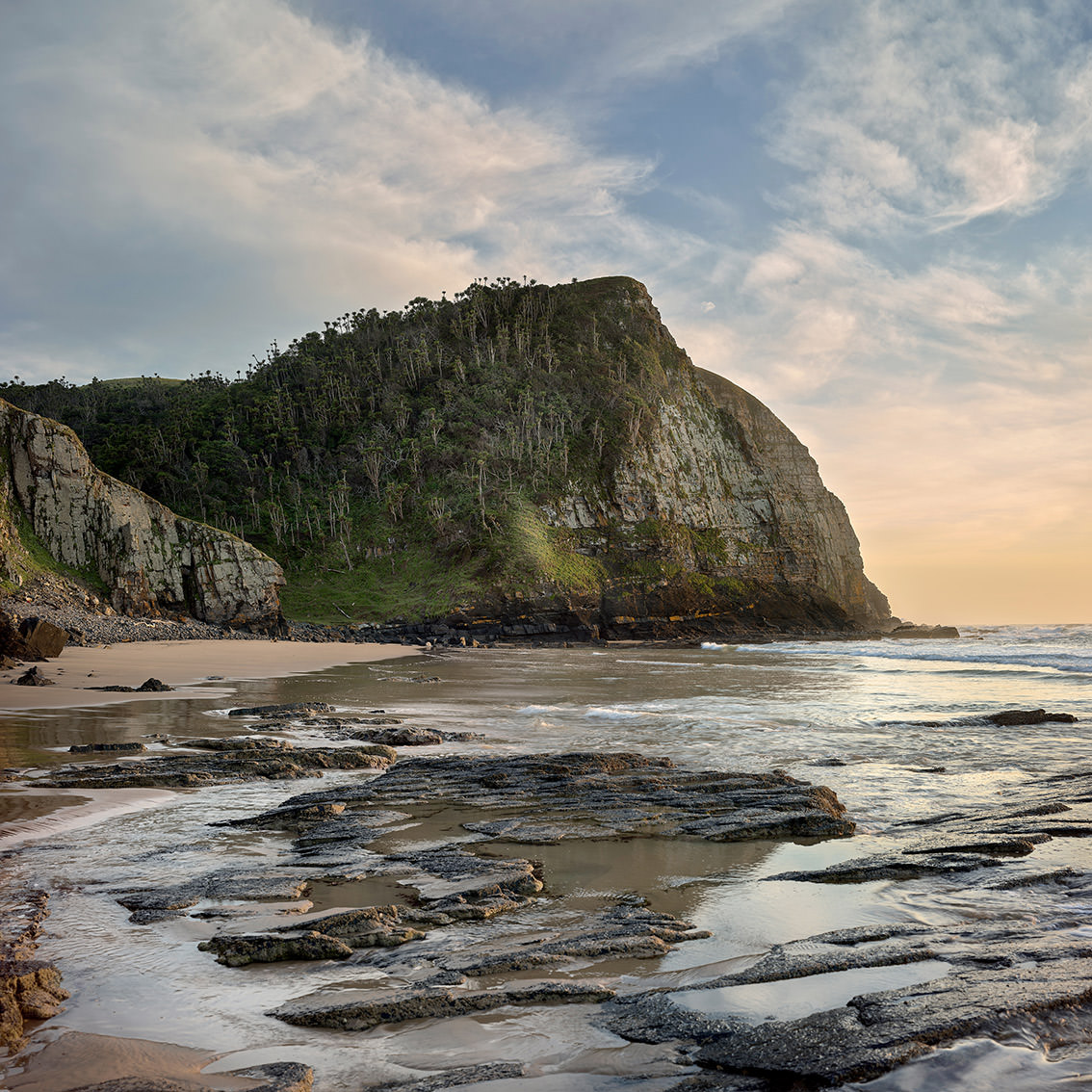
Mpuzi cliffs. Eastern Cape, South Africa, 6 December 2019
Image size: 60 x 60 cm
Paper size: 74 x 74 cm
Edition of 6 + 2 AP
Image size: 110 x 110 cm
Paper size: 124 x 124 cm
Edition of 5 + 2 AP
Image size: 150 x 150 cm
Paper size: 152 x 152 cm
Edition of 3 + 1 AP
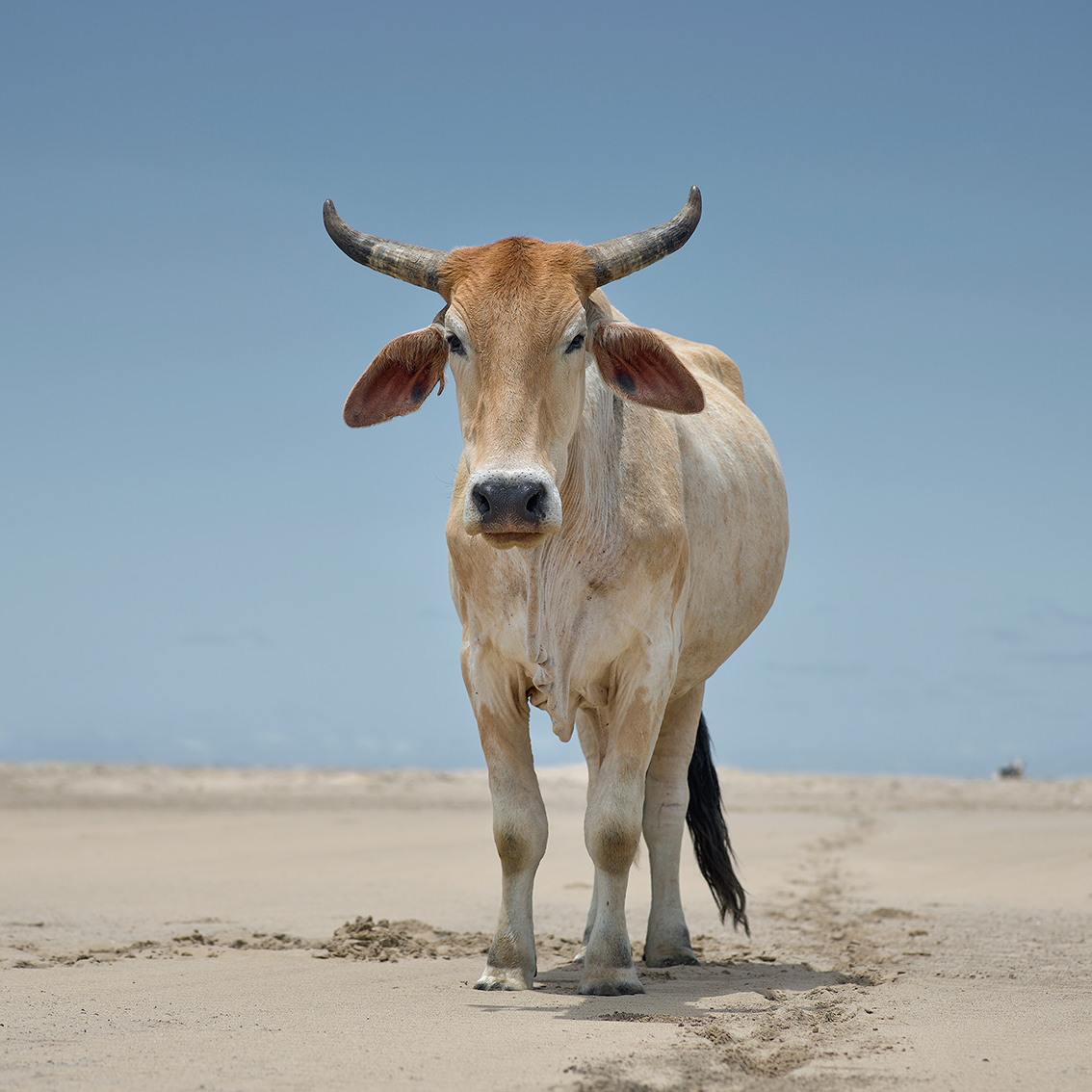
Xhosa ox on the shore. Umthata river mouth, Eastern Cape, South Africa, 5 December 2019
Image size: 60 x 60 cm
Paper size: 74 x 74 cm
Edition of 6 + 2 AP
Image size: 110 x 110 cm
Paper size: 124 x 124 cm
Edition of 5 + 2 AP
Image size: 150 x 150 cm
Paper size: 152 x 152 cm
Edition of 3 + 1 AP
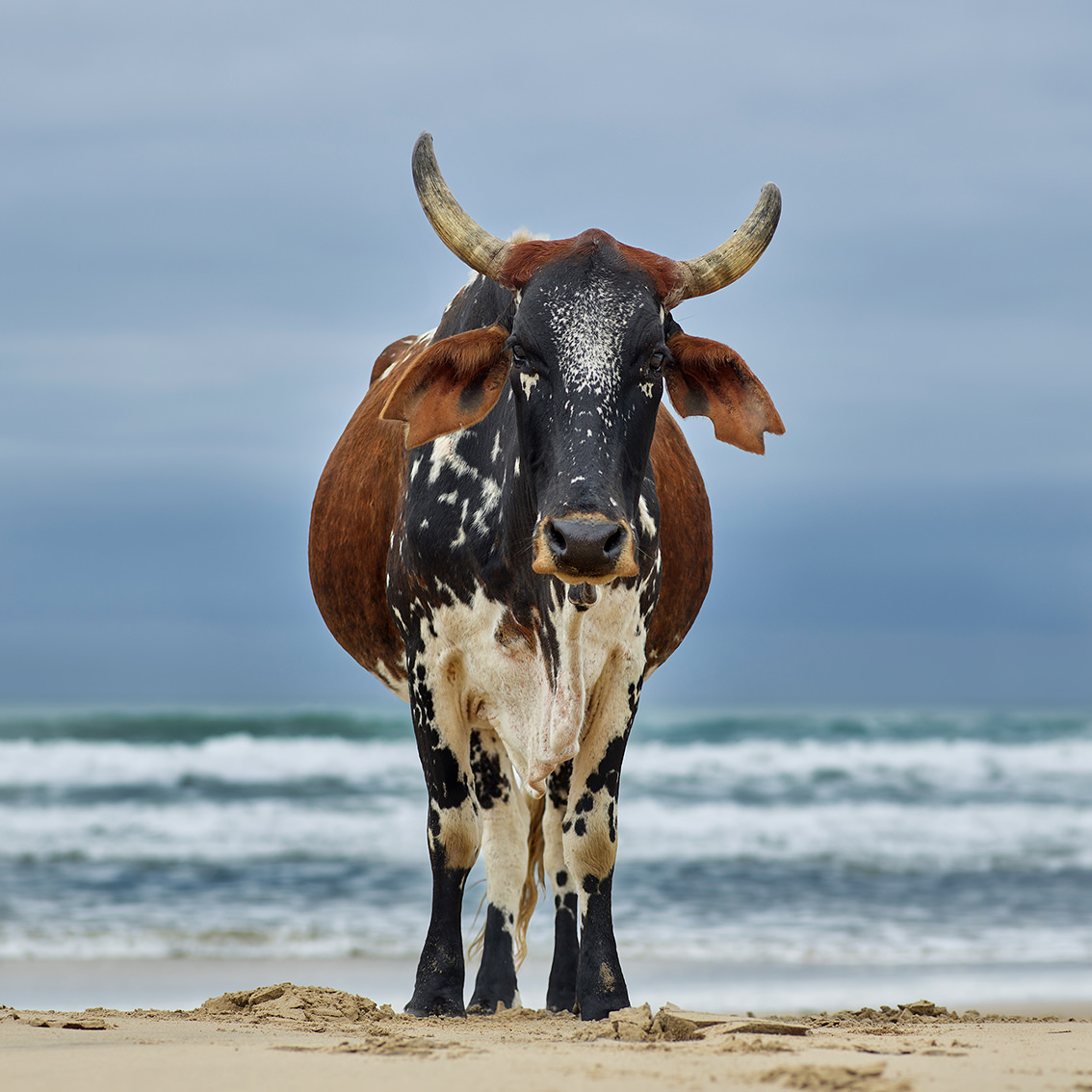
Xhosa cow on the shore. Qoloha, Eastern Cape, South Africa, 14 April 2018
Image size: 60 x 60 cm
Paper size: 74 x 74 cm
Edition of 6 + 2 AP
Image size: 110 x 110 cm
Paper size: 124 x 124 cm
Edition of 5 + 2 AP
Image size: 150 x 150 cm
Paper size: 152 x 152 cm
Edition of 3 + 1 AP
The Bovine Prophecy
As if meeting us from the sea, patiently awaiting our arrival, we encounter them. Mythical. Majestic. These beasts seem to occupy a space and time that is not entirely our own.
The creatures we are confronted with in this photographic body of work by Daniel Naudé are forceful reminders of our complex relationship with the animal world. Over a period of ten years, Naudé travelled to the beaches of the Wild Coast to document the indigenous Xhosa cattle that live on these shores.
This was a process that called for patience, with Naudé relentlessly scouting the area, waiting for a particular animal to be in just the right place at the right time. The release of the camera’s shutter would signal that moment when Naudé would, after careful consideration, transform animal into image. As with his previous work, a delicate stillness permeates this photographic encounter. The weather and the effect of light on the landscape, as well as the temperament and composure of the animal, would all be taken into account. Only if he finds these variables to be in perfect balance would Naudé take a photograph. As he explains:
It is important to approach the landscape and the animal with an open mind. In many ways, it comes down to the process of exploration, which is my drive and my fuel. I have also learned to be receptive towards and slowly immerse myself in my working environment. I always try to find the perfect balance between mindfulness and abandonment that comes from being in nature. To me, it is a moment of stillness, a place where I am able to rest with the landscape and the animal.
This photographic series is set in the Wild Coast of South Africa, where cattle have left an indelible mark on the history of the region. It is here, after all, that Nongqawuse had her fated encounter with the spirits of her Xhosa ancestors in 1856. The importation of Friesland bulls from the Netherlands by white settlers, and the subsequent spread of bovine lung disease, lead to the decimation of local cattle. When Nongqawuse had a vision in which her ancestors promised retribution and restoration, it seemed as if some radical turnaround in the diminishing livelihood of the Xhosa people was possible. According to legend, the ancestors foretold that the dead of the Xhosa nation would rise from the sea, bringing with them new, uncontaminated cattle. This, the ancestors promised, would happen on the condition that the Xhosa people slaughter all their cattle and destroy their crops. After a year of systematic destruction, the Xhosa was left waiting on the shores of sea, hoping on a return that never came to pass. This event marked the demise of the precolonial Xhosa nation, with an estimated 40 000 people dying of starvation. As a result, the Wild Coast speaks of a complex relationship between human, animal and ocean.
Against this historical backdrop, Naude ́ decided to investigate the highly emotive relationship between human and animal – a theme that pervades much of his work to date. The wonder of his photographic practice lies in his ability to set up an intimate visual encounter between human viewer and animal subject. For Naude ́, there is a vibrant energy that comes from that moment when he connects with an animal through the lens of his camera. And it is this exact moment of mutual recognition that he wishes to share with the viewer. As he maintains:
While I am working, I always have the viewer in mind and thought about how they might respond to the range of emotions that the cattle display. There are certain expressions in cattle, as there are in other animals too, that tell you whether they are tense or calm, curious or angry. They have an emotional presence that you have to understand and negotiate. I am interested in those moments when animals look into the lens of the camera and you can actually capture their individual expressions. Some may be tender and dreamy, while others will confront you with a direct stare that is challenging and aggressive.
As a result of this careful reading of the animal subject matter, each image reflects a different affective tonality. This can also be attributed to the postproduction process. As the project evolved and the body of images grew, Naude ́ would strategically select which expressions he wanted to reveal in each portrait. He would look at the series as a whole and make changes in the selection of photographs if he felt that some emotional quality was not present, or should be emphasised. If he found the same affective attributes to be present in a set of images, he would carefully scrutinise each image in order to decide which cow or bull works better in
a given scenario. It meant that he had to take various factors into consideration, ranging from the emotive to the compositional, to ensure that each showcased photograph is a unique artefact.
Such considerations are also in uenced by the landscape within which Naude ́ encounters the animal. In his words:
The landscape serves as a means to ground my work in
a speci c place, while it also serves as a reminder of the enigmatic nature of the cattle I am photographing. The landscape also contributes to the emotional tonality of the photographs. One starts reading the cattle as that which emanates from the landscape, while they also seem to be moving landscapes in themselves. You can actually visualise the animal through the landscape, and vice versa. Both leave their mark on one another. The animal is made and morphed by the environment in which it dwells – you cannot read
the animal and the landscape as separate entities.
Appearing on the beach with the ocean lying hazily in the background, we meet the animal most often staring directly back at us. Naudé’s gaze on the animal has shifted from a side-profile view (which we saw in Animal Farm) to a frontal viewpoint. This was deliberately done, he explains, in order to “create the effect of looking at something that is reminiscent of the outline of the human figure. I wanted to evoke that feeling that one is meeting, face-to- face, some extraordinary creature, part human and part animal, that has just emerged from the sea”. In this way, Naudé ensures that his own telling of the story of the cattle does not relinquish that sense of mystery that pervades their existence.
It is exactly this fascination with the enigmatic nature of animals that draws Naude ́, again and again, to his subject matter. “Why the animal?”, I asked him during a conversation about his latest body of work. And he explained:
Simply put, the animal is unpretentious. Animals do not pose, they merely exist. We attach meaning to animals, we read them as the carriers of our stories. And yet our own existence depends on them and we cannot live without them. How we see animals are more telling of ourselves than of them. On a personal level, when I meet them and see them through my view nder, something happens that gives me a better idea of my own existence. It adds substance to my understanding of what it means to exist. It helps me.
That, I would argue, is exactly the tie that binds us to history and makes the story of Nongqawuse so relevant to the contemporary moment. Never has our relationship with the natural world been in so much need of critical intervention. But as Naude ́ reminds us, our desire for finding some resolution to our own problems – for finding prophetic signs of change at the shores of the sea – is as old as legend.
— by Ernst van der Wal (Ernst van der Wal holds a PhD in Visual Arts. He is currently Head at the Department of Visual Arts at Stellenbosch University.)
Daniel Naudé was born in 1984 in Cape Town, South Africa, where he lives and works. He graduated with a bachelor’s degree in Visual Art from Stellenbosch University in 2007. His first book, Animal Farm, was published in 2012 followed by Sightings of the Sacred: Cattle in India, Uganda and Madagascar in 2016 (both Prestel). Naudé’s third book, Cattle of the Ages (Jacana Media, 2017), was a collaboration with South African President Cyril Ramaphosa.
Naude ́ has held solo exhibitions at Stevenson (Cape Town, Johannesburg), Everard Read (Cape Town, Johannesburg) and The Photographers’ Gallery (London). He has also participated in a range of group exhibitions at spaces such as Iziko South African National Gallery (Cape Town), the J Paul Getty Museum (Los Angeles), the New Art Centre (Wiltshire), Huis Marseille (Amsterdam), the Fondazione Cassa di Risparmio di Modena (Modena) and the Tennis Palace Art Museum (Helsinki). He has been included in events such as the Lyon Biennale (France), the La Gacilly Photo Festival (Austria), Paris Photo (France), the Bamako Encounters Photography Biennale (Mali) and the Lagos Photo Festival (Nigeria), and was selected as 2012 festival artist of the Aardklop National Arts Festival (South Africa).
Recently completed commissions are of the Slack family horse stud, Stephan Welz’s Thuli cattle and South African President Cyril Ramaphosa’s Ankole cattle.
INFORMATION REQUIRED
To request a print or enquire about an image, please include the photo name and any relevant details below.
Previous
Next